Join WhatsApp Channel

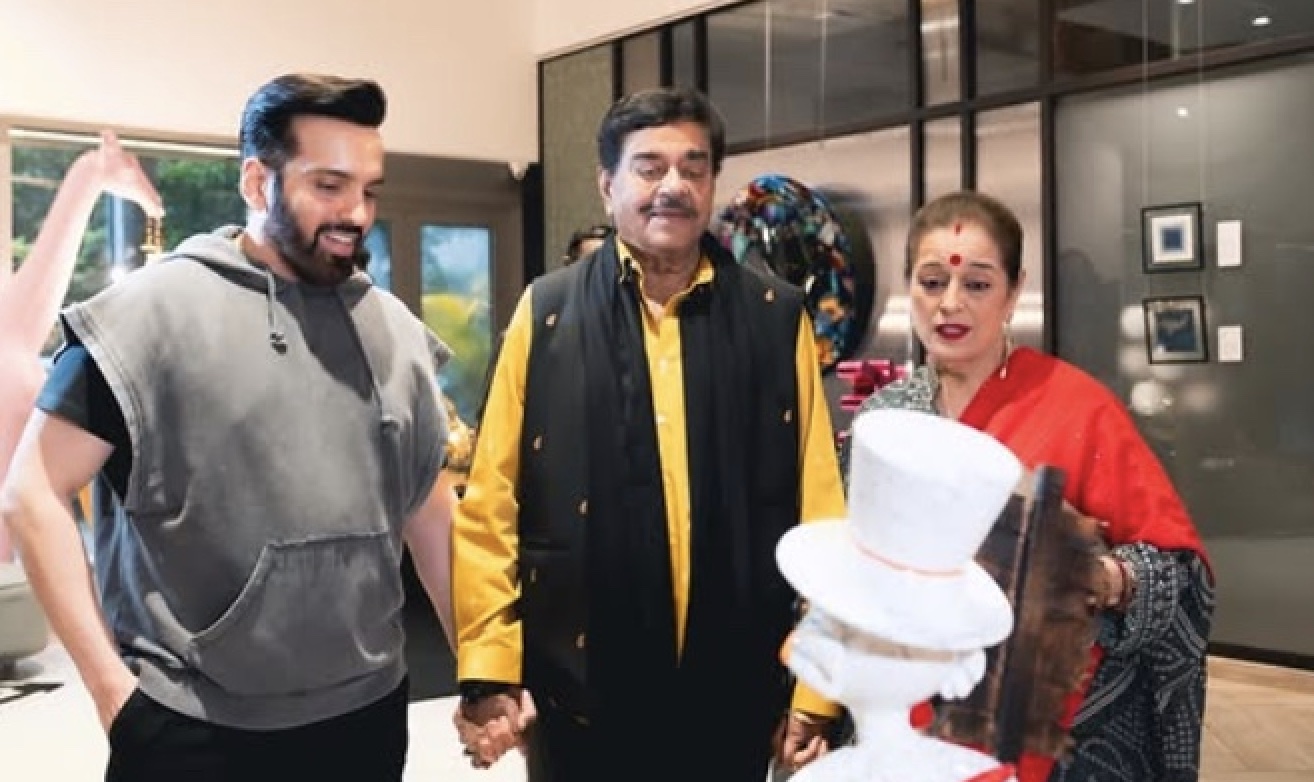
He is considered among our most unmusical stars, for his spectacular early success was as villain. But Shatrughan Sinha has enacted several cult songs and chartbusters in his career.
The actor enters a stylized 80th year today on December 9, having debuted as S.P. (Shatrughan Prasad Sinha) in a cameo (as a police constable) in Mohan Segal’s Sajan (1969). But he got his first song in his 20thfilm! The singer was Manna Dey, the lyricist Sahir Ludhianvi, and the composer Ravi in the song Hamein yaari se garaj from Ganga Tera Pani Amrit (1972).
But if this song was unremarkable, the same composer gave him the all-time cult wedding number, Aaj mere yaar ki shaadi hai, sung by Mohammed Rafi in Aadmi Sadak Ka (1977). Rafi delightfully brought in the ‘attitude’ the actor’s character had in the title role, and the song was penned by Verma Malik
His next song had Mohammed Rafi’s voice going on him—Pyar ka samay kam ho jahaan, with Asha Bhosle and Kishore Kumar going on Rekha and Randhir Kapoor: the film was Raampur La Lakshman (1972), in which Shatrughan played the villain. R.D. Burman composed the Majrooh-written philosophical song.
R.D. Burman was the composer chosen for his home production, Maati Maangey Khoon (1984), but its only male song was sung (and composed, as per the singer told me on record) by Pakistani maestro, Ghulam Ali.
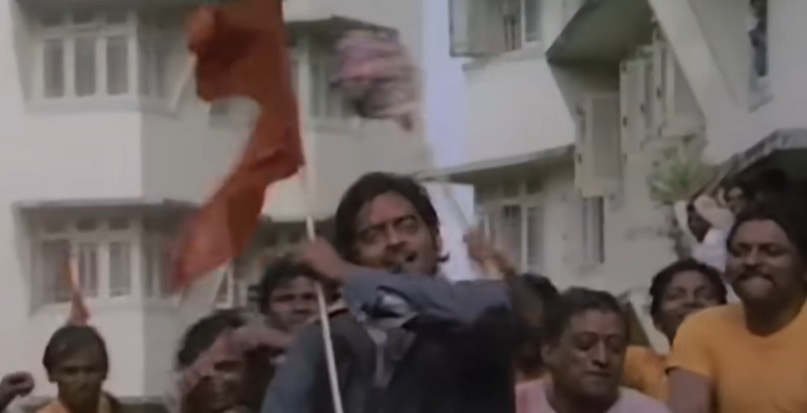
But Pancham also scored the hit, Tera mujhse hai pehle ka naata koi in one version (the other went on Shashi Kapoor), sung by Kishore Kumar (with Sushma Shrestha for a child actor) in Aa Gale Lag Jaa (1973) and used Shatru’s own voice in the comic song, Ik baat suni hai chachaji with the same Sushma Shrestha in the film Naram Garam (1981)!
This was followed by the hit, Pukaro mujhe tum pukaro, sung by Kishore Kumar (with Lata Mangeshkar for Yogeeta Bali in Buniyaad (1972). Buzz is that the actor wanted this hit duet filmed on him instead of on the other hero, Rakesh Roshan and the filmmaker had to oblige as Shotgun (as he was called) was the bigger star of the two. The music was composed by Laxmikant-Pyarelal and the lyrics by Anand Bakshi.
L-P and Anand Bakshi later were to give several hits for Shatru. Gori ho gori (Gaai Aur Gori / 1973), the cult ‘Govinda’ song, Shor mach gaya shor (Badla / 1974), and the friendship song, Salamat rahe dostana hamara (Dostana /1980). Mohammed Rafi sang the last song for him, with Kishore for Amitabh Bachchan, but it was Kishore’s vocals in the other two.
In Naseeb (1981), the ensemble song, Zindagi imtihan leti hai had Kamlesh Awasthi’s voice going on Shatru, even as Kishore again, in another group song, rendered Rang jamaake jaayenge.
L-P collaborated with lyricist Santosh Anand in another super-hit, Chana zor garam in Kranti (1981), with Kishore again as the Shotgun voice. In the same film, the Manoj Kumar-written title song Kranti kranti had Manna Dey as the actor’s voice, and both these songs were also ensemble hits.
L-P also used the actor’s own voice—in the hit Aa bataa de ke tujhe kaise jeeya jaata hai in Dost (1974), sung by Lata for Hema Malini and Rafi for Dharmendra. This time, Shatru just had one line at the end. In the popular Asha Bhosle number, Aisi waisi na samajh sajna (Jaani Dushman / 1979) he had musical vocal interpretations amidst the song’s mukhda and antaras.
The same year saw another cult number, Teen batti wala Govinda aala with Kishore Kumar again in a duet with Rafi (singing for Sunil Dutt), while Meri rus gayi jhanjharwali saw Kishore in a duet with Asha Bhosle (for Reena Roy) in Muqabla. All these songs were written by Verma Malik.
Shatru had a deep personal friendship, however, with Kalyanji-Anandji, who also scored two of his home productions—Khaan Dost (1976) and Sherni (1988). In the former, the Kishore number written by Anjaan, Kaahe ki dosti kaahe ki yaari was modestly popular.
But K-A scored high twice over in 1973 in Blackmail, in which Shatrughan, as a villain again, wooed Raakhee with Sharbati teri aankhon ki in Kishore’s voice and also frolicked with Asha Sachdev in Mere peeche hai deewane and Asha Bhosle again sang ‘live’ with Shatru himself. In Samjhauta in the same year, Mukesh sang a small part in the hit, Badi door se aaye hain (written by Verma Malik yet again) with Mohammed Rafi singing for Anil Dhawan.
Shatru also interpolated, a la Amitabh Bachchan in My name is Anthony Gonsalves with Kishore Kumar singing the main part of the song, Paan beedi cigarette in Jwalamukhi (1980), with lyrics by Anjaan. Kishore-Asha also rendered another popular duet, Kabhi tumne kisiko phaansa for Shatru and Reena again in the same film.
K-A’s Indeevar-written Ho gaye hum aap ke kasam se (Rafi-Asha / Bombay 405 Miles) was also popular in 1980, and was a unique case where Rafi went on both Vinod Khanna and Shatrughan!
Rajesh Roshan’s Kaala Patthar (1979 / Sahir) also had Rafi singing for both Shashi Kapoor and Shatrughan Sinha in an ensemble song, Dhoom machi dhoom. Nitin Mukesh was Roshan’s chosen voice for him in the popular Khudgarz (1987) songs, Yahin kahin jiyara hamaar (with Sadhana Sargam for Amrita Singh) and Zindagi ka naam dosti (with Mohammed Aziz for Jeetendra). Indeevar penned the songs. Roshan got to score for two of Shatru’s home productions, Vishwanath (1978) and Dharamyudh a decade later, but neither had any song lip-synched by him. The same was the case with another home production, Kotwal Saab (1977), with music by Ravindra Jain.
When Shatrughan officially produced Kalka (1984), he himself sang the final climactic part in Maa Kali bhajan, a multi-singer song, that too under no less than Jagjit Singh-Chitra Singh music direction! The Jagjit-Shatrughan friendship went very deep, and resulted in two more home productions, Billoo Badshah (1989) and Prem Geet (1981), besides the 1986 Jwala. The latter film did not feature Shatrughan, but had the evergreen Jagjit solo, Honthon se chhoo lo tum, filmed on Raj Babbar!
Bappi Lahiri composed the Majrooh-written hit Jiyo jiyo pyare (for the 1982 Haathkadi) in which Kishore and Asha were back for Shatru and Reena Roy, and Manhar Udhas came in for Bano ko mil gaya Jaanu, the popular Aandhi Toofan (1985) song with three singers again, written by Anjaan.
Usha Khanna did her bit with the Rafi-Asha title-track of Ab Kya Hoga (1977) written by Saawan Kumar for Shatru and Neetu, but scored with another song that Shotgun wanted for himself and not a supporting actor for whom it was originally composed—the classic Mukesh chartbuster, Barkha rani zaraa jamke barso in the 1973 Sabak. This film remains his only movie with wife Poonam Chandiramani as romantic co-star!
In fact, 1973, as already seen above, was the musically best year for Shatrughan, who had just made it big as a hero: Mukesh’s chartbuster, Kayi sadiyon se and Mohammed Rafi’s immortal Kahin aisa na ho were big hits, penned by Naqsh Lyallpuri and composed by small-timer Brij Bhushan for Milap. Last, but emphatically not the least, is the masterpiece that remains a kind of evergreen tribute to Rafi himself—Dil ka suna saaz tarana dhoondega, composed by Ganesh and written by Asad Bhopali.
Shatrughan Sinha, an unmusical star? No way. Not with all these Shotgun serenades!