Join WhatsApp Channel

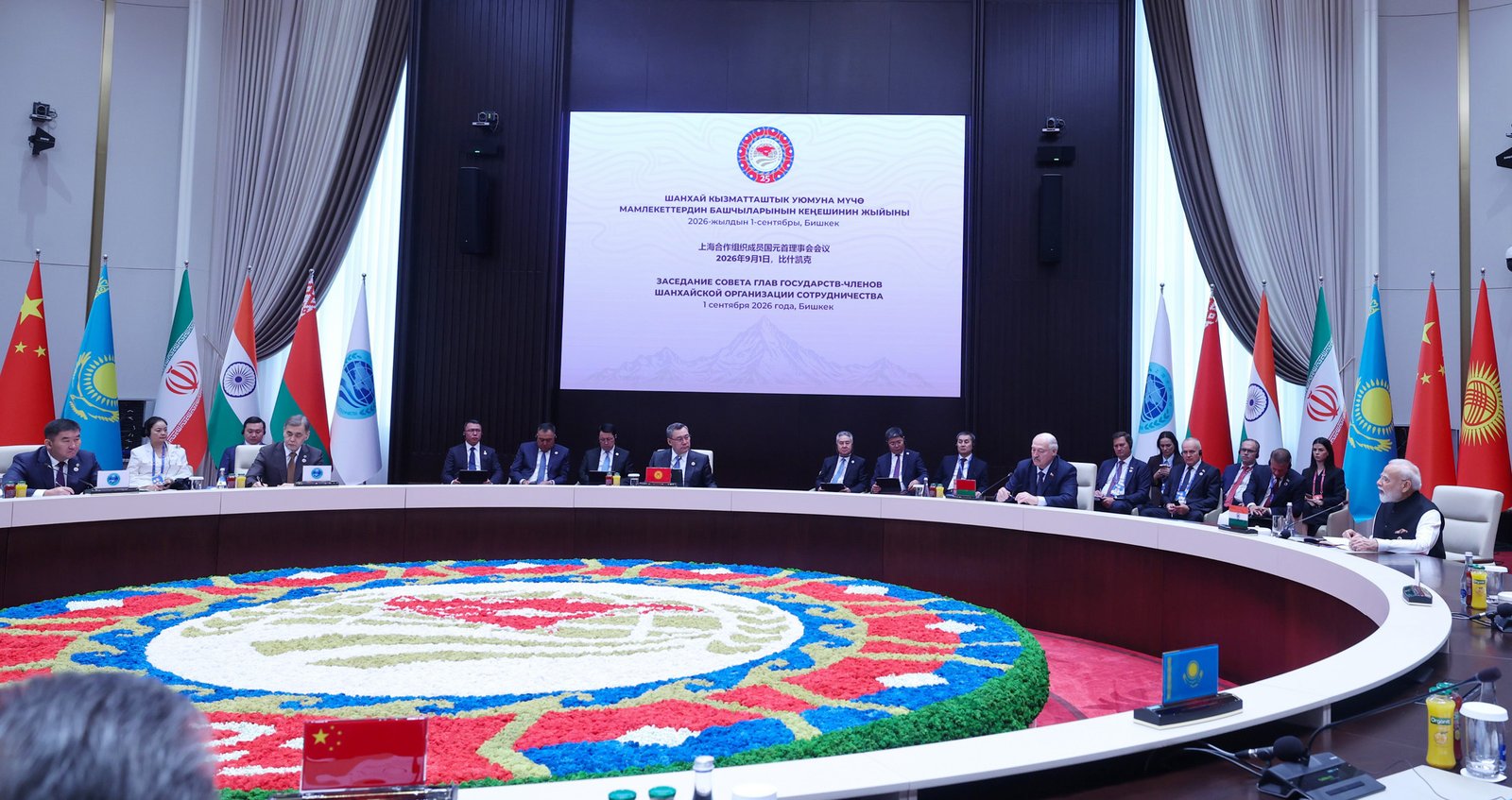
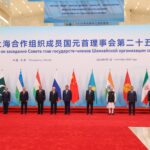
All eyes are out on possible outcomes from meetings between the big three at the Shanghai Cooperation Organisation (SCO) summit in Bishkek, that is, on China’s President Xi Jinping, Indian Prime Minister Narendra Modi and Russian President Vladimir Putin and possible decisions that they could come up with to manage conflicts and ease trade flows, stymied by wars. With war still raging around Iran and the Strait of Hormuz, the SCO is likely to become an alternative mechanism to find peace.
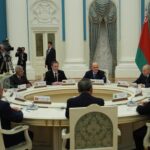
Already, the meeting between Modi and Putin saw India coming out in support of efforts to end the war in Ukraine, with a pointed statement, “We need to move from endless war to the end of war, to the end of hostilities,” adding that “this is very important for all of humanity.”
Last year at the SCO meeting in Tianjin, Xi told Modi that Beijing and New Delhi should be partners, not rivals. This obviously unsettled many as they saw the easing of tensions between the big two in Asia as a reworking of global power play which could give both the nations more room to maneuver within their turfs. Talks on the disputed border between India and China were held last week between National Security Advisor Ajit Doval and Chinese Foreign Minister Wang Yi, which, while not resulting in any immediate demarcation, saw the two sides vowing to continue the “dialogue”.
Interestingly, at the meeting, Wang also underlined that Sino-India relations were no longer a matter of bilateral importance but carried global and strategic significance, and there was a need for the two neighbors to talk more and cut down their differences. While all this seems to shift the focus of peace-making and finding solutions away from traditional fora such as the G7 and the UN towards regional power blocs, in reality, it does not. It should be well understood that the SCO is not a NATO-style alliance, nor is it a pure economic union of the kind the European union or ASEAN have forged.
Its members are spread all over Eurasia and have sharply divergent interests, including India and Pakistan, India and China, and Russia and the West, and its consensus-based architecture makes ambitious collective action extremely difficult. However, the important players for Asia are all there – China, India, and Russia, besides the four Central Asian countries which were formerly part of the Soviet Union, Iran and Pakistan.
Decisions on supply chains, energy prices, and trade deals can signal shifts in the overall global architecture and, for a middle power like India, give it room to hedge its bets and take steps towards bringing the world back to normalcy.
The escalation around the Strait of Hormuz has transformed the Iran conflict from a distant geopolitical crisis into a direct economic and political risk for India. The signing of the so-called Mecca Pact between Saudi Arabia, Turkey, and Pakistan, though ostensibly against Israel, has to be also watched. The latest round of fighting in West Asia has already disrupted maritime traffic and pushed oil and other commodity prices higher, while attempts to secure shipping through the strait have struggled to manage the risks of attacks on commercial vessels.
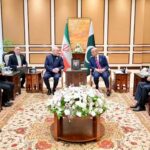
This explains the importance of Modi’s meeting with Iran’s President Masoud Pezeshkian on the sidelines of the summit. The two leaders not only discussed the West Asian situation, but also spoke on energy security and safe navigation. This has happened despite the United States’ warning against economic engagement of any kind with Tehran.
New Delhi wants to keep Iran engaged, Hormuz open, and commercial shipping protected, but has little interest in being drawn into the strategic confrontation between Tehran and Washington, and would certainly hope that the two sides come back to the peace table. What the SCO offers is a useful setting for diplomacy, nudging the world towards peace. India can support calls for restraint, dialogue and respect for international law without signing up to an explicitly anti-US position. (UNI)