Join WhatsApp Channel

Every day, students walk into school smiling, laughing, and acting as if everything is fine. Behind those smiles, many are quietly struggling with stress, anxiety, loneliness, and pressure that no one sees.
Schools carefully track grades, attendance, test scores, and physical health. Yet mental health is often treated as secondary. A school may hold an awareness week, display posters, or invite a speaker once a year. These efforts can be helpful, but awareness alone does not create lasting change or give students the support they need.
Mental health should be treated as seriously as physical health in every school. Students cannot learn, grow, or succeed when they feel overwhelmed and do not know where to turn. Schools need consistent mental health education, accessible counseling, and systems that support students before they reach a crisis.
One major problem is that school mental health support is often reactive instead of preventive. Students may receive attention only after their grades fall, their behavior changes, or they reach a breaking point. By then, the problem may already feel unmanageable.
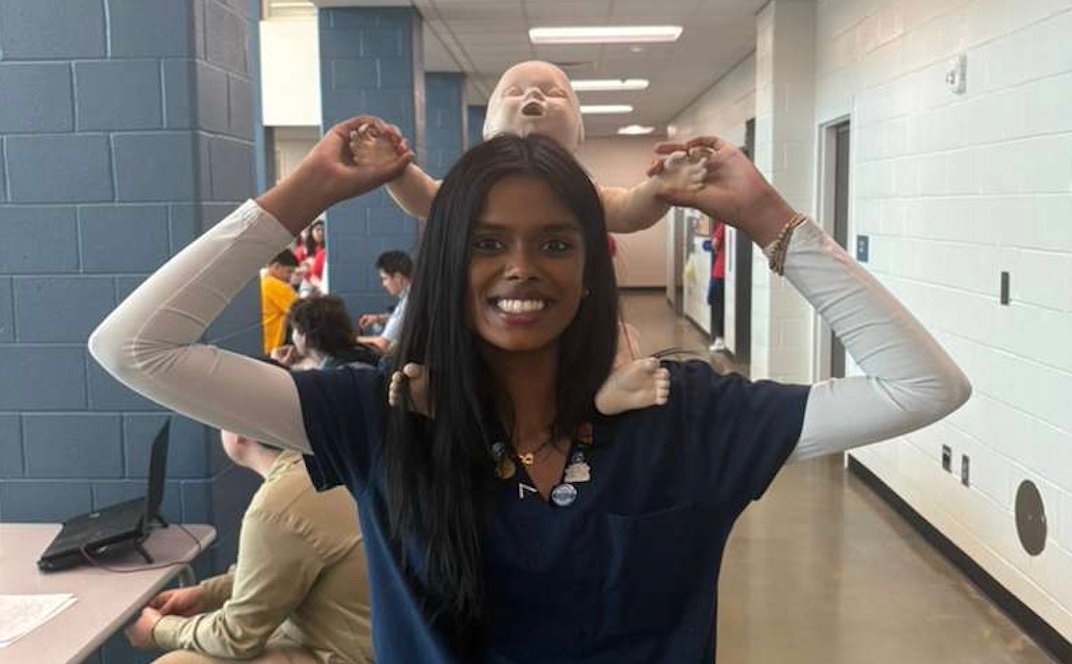
Through my work on Mind Over Matter, an initiative I introduced internationally through HOSA, I saw that students from different communities’ face many of the same challenges. They experience academic pressure, fear of failure, family expectations, social stress, and uncertainty about the future. However, many students do not have reliable support or feel comfortable asking for help.

Schools can respond by including practical mental health education in the regular curriculum. Students should learn how to recognize stress, manage difficult emotions, support a friend, and seek help from a trusted adult. These lessons should not be limited to one assembly or special event. They should be taught throughout the school year, just like other important life skills.
Schools should also expand access to trained counselors and create clear, private ways for students to request help. Peer-support groups and student-led programs can make conversations feel more comfortable, but they should be guided by qualified adults. Programs like Mind Over Matter can help students understand that struggling does not make them weak and that asking for help is a responsible choice.
Some people argue that schools already have too many responsibilities. Others believe mental health should be handled only by families or outside professionals. Families and healthcare providers are essential, but not every student has access to those resources. Students spend much of their day at school, making it one of the most important places for early support and intervention.
Supporting mental health is not separate from education. Mental well-being directly affects attendance, concentration, relationships, behavior, and academic performance. When students feel safe, understood, and supported, they are better prepared to learn and participate.
School administrators, districts, and policymakers must stop treating mental health as an extra service. Every school should have a clear and consistent plan for prevention, education, counseling, and access to care. Students are already struggling. Schools must catch up and make mental health essential to every student’s success and well-being.
Disclaimer: The opinions and views expressed in this article/column are those of the author(s) and do not necessarily reflect the views or positions of South Asian Herald.
Related posts:
 Silent Classrooms, Loud Cries: The Legal Vacuum in India’s Student Mental Health System
 A South Asian Perspective: It is Time to Prioritize Mental Health in the Workplace
 South Asia Has Expanded Schooling: Why Is It Still Failing to Keep Its Most Vulnerable Children Learning?
 My Plea as a Teen: Fix Suicide Prevention in Our Schools Today