Join WhatsApp Channel

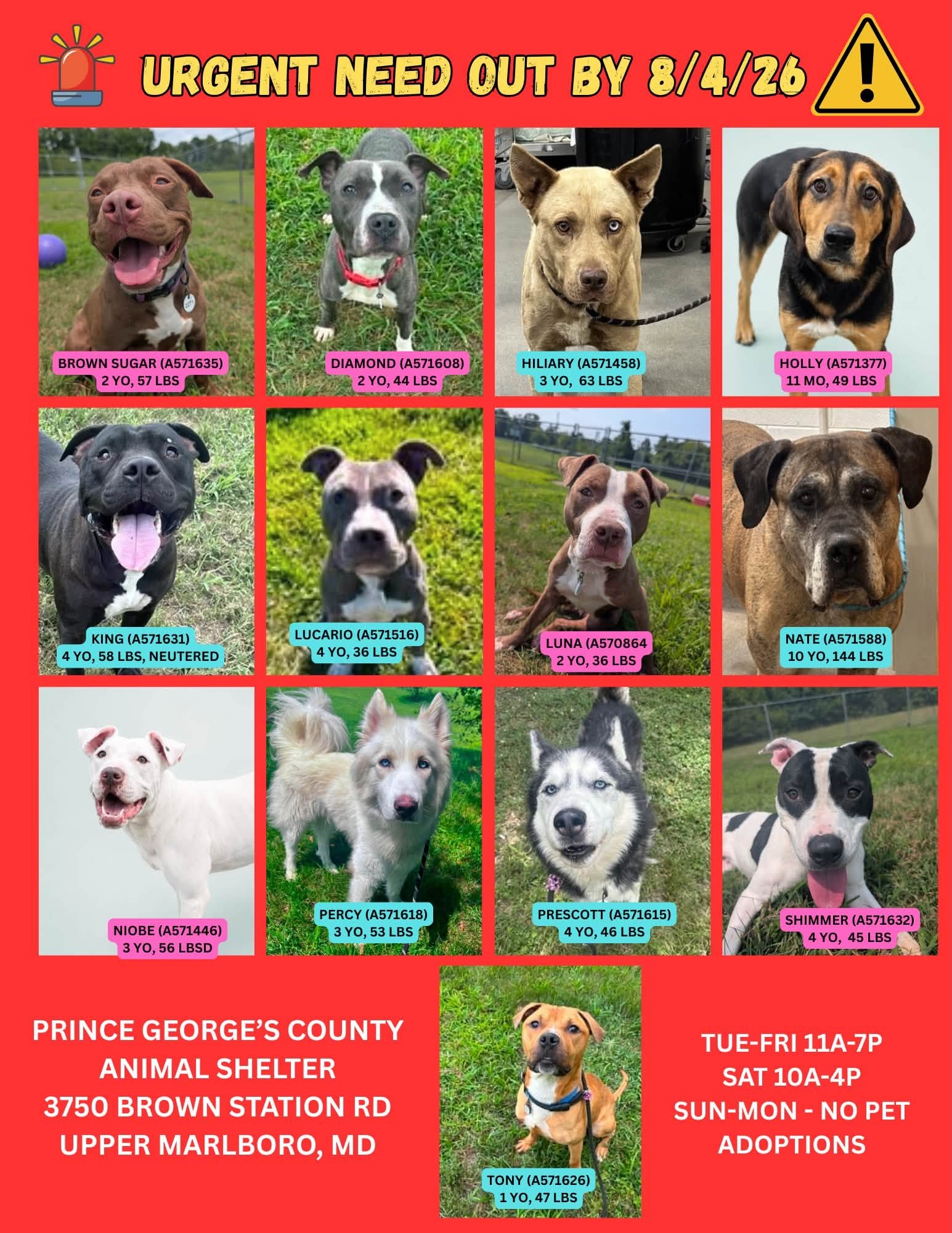
Prince George’s County Animal Shelter is confronting a crisis that grows more urgent with each week. The repeal of Breed‑Specific Legislation (BSL) earlier this year was a meaningful victory for fairness and animal welfare, but it did not resolve the deeper pressures driving overcrowding. Today, the shelter is operating beyond capacity, rescue groups are overwhelmed, and healthy dogs are losing their lives simply because there is no space left.
Urgent lists like these are not rare; they are ongoing, appearing weekly as the shelter struggles to keep pace with intake. Ironically, smaller lists are often the hardest to bring attention to. When only a handful of dogs are named, it becomes easy for the public to assume that “someone” else will adopt them, “someone” else will foster, “someone” else will intervene. But that assumption is precisely what puts these dogs at risk. Without direct, intentional action from the community, even small lists become highly fatal.
On July 29, the shelter released a new euthanasia list—13 young, adoptable dogs who must leave by August 4 to avoid the worst outcome. Their photos, now circulating across community networks, show dogs who are friendly, social, and eager for connection. Their only “fault” is that they arrived at a time when every kennel was full.
The Friends of PG County Animal Shelter, a volunteer‑run advocacy group, continues to share urgent lists to raise awareness. These lists are not behavioral assessments; they are space assessments. When intake exceeds capacity, urgent lists become the last tool available to prevent overcrowding from turning fatal.
The forces behind this crisis are layered and interconnected. Economic hardship is pushing families into housing with strict pet restrictions. Post‑pandemic instability has reshaped work schedules, transportation access, and household budgets. Veterinary costs have risen sharply, making routine care—and reclaim fees—difficult for many families. And beneath it all lies a quiet but persistent issue: unregulated breeding and limited access to affordable spay/neuter programs, which funnel more dogs into shelters already stretched thin.
Municipal shelters like PG County operate under open‑intake mandates. They must accept every stray or surrendered animal, regardless of space. Unlike private rescues, they cannot pause intake. This creates constant pressure that makes urgent lists a grim reality.
The repeal of BSL helped reduce stigma and expanded adoption opportunities, but it did not create more kennels, increase staffing, or lower veterinary costs. It did not solve transportation barriers or expand pet‑inclusive housing. It did not address the economic realities that force families to surrender animals they love. In other words, BSL repeal removed one barrier—but the broader system remains strained.
This is why adoption and fostering matter profoundly.
Every dog who leaves the shelter opens a kennel for another. One adoption may not remove a dog from the current urgent list, but it prevents another dog from being added to the next one. Progress happens one placement at a time.
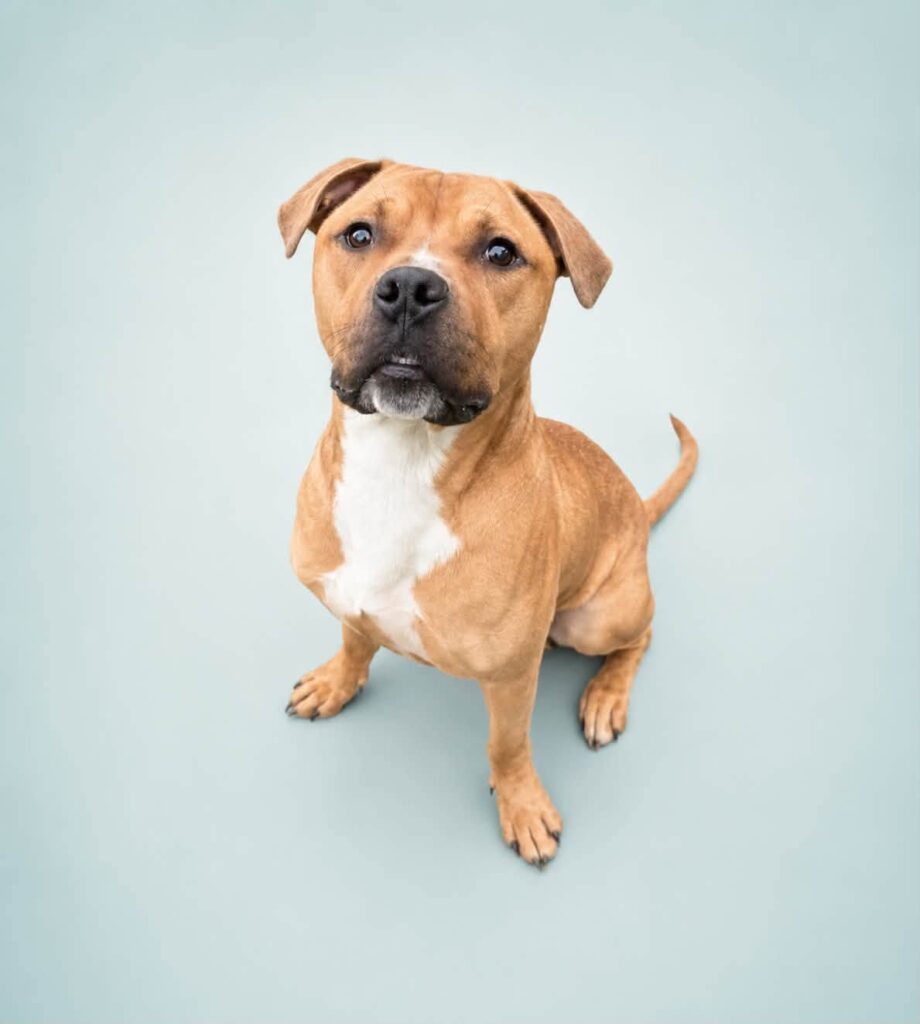
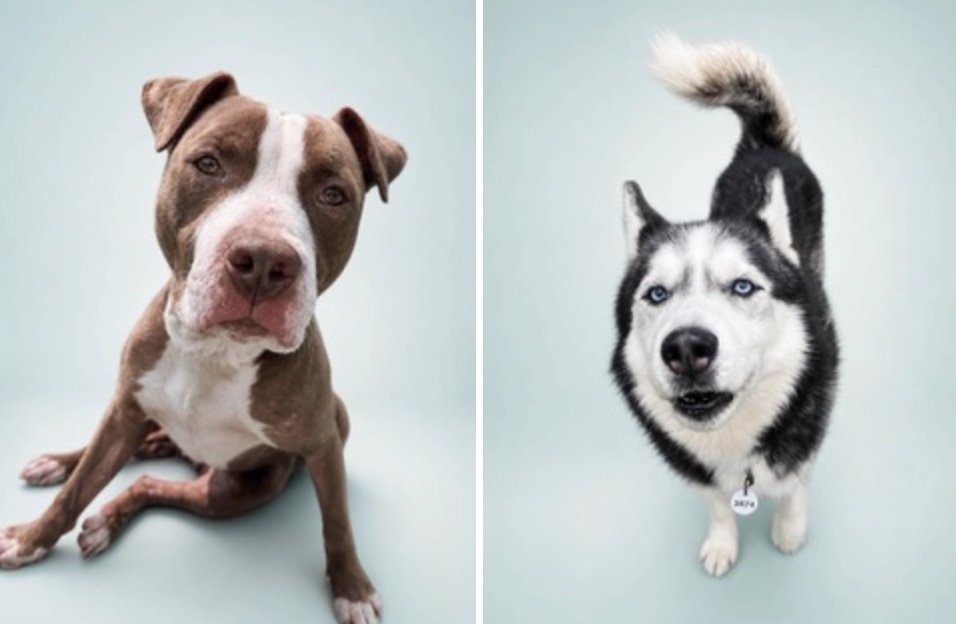
The July 29 list includes dogs like Holly, Shimmer, and Tony—barely a year old and full of potential. Older dogs like Nate, a gentle ten‑year‑old weighing 144 pounds, are at risk simply because large dogs require more space. Dogs like Brown Sugar, Luna, and Prescott have done nothing wrong; they are simply caught in the overflow.
Community members can make a life‑saving difference. Adoption is the most direct path, but fostering is equally powerful. A temporary foster placement buys time — for networking, rescue coordination, and breathing room. Volunteers can help with things like transportation, photography, or weekend enrichment. Donations support medical care, enrichment supplies, and emergency boarding. Even sharing urgent posts expands the reach of dogs who might otherwise go unseen.
The bottom line is clear: PG County needs help now. The dogs on the urgent list do not have weeks. Some do not have days. Their lives depend on adopters, fosters, and rescue partners stepping forward immediately.
This is a moment to act. Whether you adopt, foster, donate, or simply share their profiles, your involvement can save a life. When the kennels fill, the clock starts ticking—but with compassion and community action, we can ensure that dogs like Brown Sugar, Luna, and Tony get the chance they deserve.
Prince George’s County Animal Services 3750 Brown Station Road Upper Marlboro, MD
Adoption Hours: Tue–Fri: 11 a.m.–7 p.m. Sat: 10 a.m.–4 p.m. Sun–Mon: No pet adoptions
Official Website:
https://www.princegeorgescountymd.gov/departments-offices/environment/animal-services
The county’s official page provides directions, adoption procedures, available animals, licensing information, and resources for lost pets and low‑cost services.