Join WhatsApp Channel

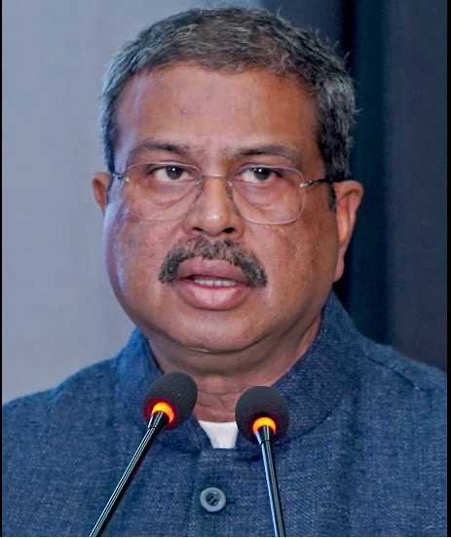
Dharmendra Pradhan’s resignation will be seen as a loss for the Bharatiya Janata Party (BJP), not only because Pradhan was a valued political leader who had the ability to could convert organizational strength into outcomes, but also because his stepping down in the face of a nation-wide protest by young people is a unique setback for a party used to a string of unprecedented, popular electoral victories.
The 55-year-old politician’s exit from the cabinet is being seen by some analysts as an admission that the BJP needs to reset its messaging with the youth, who will be the deciding factor in all future elections given that the country has some 370 million people in the age group of 15-29.
Other than the farmers’ agitation in 2020-21, which forced the NDA government to repeal three controversial agricultural laws, this government has had the singular distinction of being able to manage all protests without bowing down before any demands.
Pradhan’s main political USP has been his mix of successful organizational skill, electoral management, and high-trust utility to the BJP leadership, especially in difficult or high-stakes states. He was widely seen as a leader who could mobilize cadres, manage campaigns, and deliver politically useful outcomes in difficult yet promising areas.
The leader from Odisha’s profile was built on three vital credentials. He had come up through the ABVP and BJP organization, which gave him a strong cadre connect and credibility within the party’s internal circle. Secondly, he built up a reputation as a hands-on campaign strategist and “fixer” for tough electoral assignments, especially in Odisha and other states where the BJP wanted to expand.
Lastly, he also had a policy maker, administrative leader image. This came from successfully running key ministries like Petroleum and Education, which made him useful both as a successful manager and as a public face for the NDA government. (UNI)