Join WhatsApp Channel

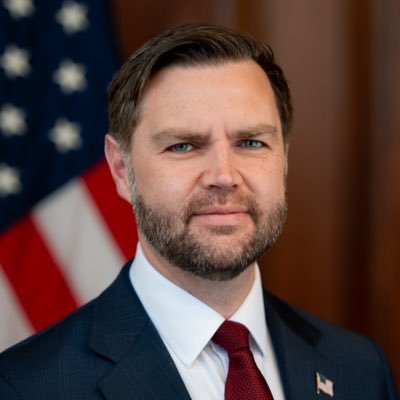
US Vice President JD Vance on June 15 said the Trump administration’s agreement with Iran is designed to permanently prevent Tehran from acquiring a nuclear weapon while reopening the strategically vital Strait of Hormuz, signaling a potential turning point in decades of strained relations between the two countries.
Speaking on CBS Mornings, Vance said the administration would release the full text of the accord later this week amid what he called widespread misunderstandings about its provisions.
“What this agreement does is really twofold,” Vance said.
“On the one hand, it ensures that Iran will never have a nuclear weapon while simultaneously opening the Strait of Hormuz,” CBS reported.
The agreement, announced by President Donald Trump on Sunday after months of negotiations, comes after more than three months of conflict that disrupted global energy markets and raised fears of a broader Middle East war.
Vance said the deal links Iran’s economic reintegration to strict compliance with international nuclear obligations.
“It fundamentally extends a hand to Iran and says, look, if you guys are willing to honor your obligations, if you’re willing to allow real inspections of your nuclear program, then we will welcome you back into the world economy,” he said.
The vice president said Trump hoped the accord would mark a break from nearly five decades of hostility between Washington and Tehran.
“What the President of the United States wants to do is turn over a leaf of 47 years of a failed relationship between the United States and Iran,” CBS reported Vance as saying.
Rejecting suggestions that the agreement would immediately unlock billions of dollars in frozen Iranian assets, Vance said any economic benefits would depend on Tehran meeting its commitments.
“When people say that billions of dollars of assets will be released, that’s not true,” he said.
Vance also indicated that Washington could play a direct role in overseeing the destruction of Iran’s highly enriched uranium stockpile, although he stopped short of detailing how involved the United States would be.
“We certainly talked with the Iranians about how we’re going to destroy that enriched stockpile,” he said.
Technical discussions involving Iran, the United States and the International Atomic Energy Agency (IAEA) are expected to begin after the formal signing of the agreement. “We’re talking about working with the IAEA and working with the Iranians to go in and destroy that enriched stockpile of material,” Vance said.
While declining to specify whether U.S. personnel would take an active operational role, he stressed that Washington would verify the process.
“Whether we play an observer role or whether we play a more active role, these are the sorts of things that we’ll figure out in technical talks,” he said.
“The United States will be there to confirm that that enriched stockpile of material is destroyed.”
Despite the agreement’s commitment to reopening the Strait of Hormuz, global shipping operators remained cautious, warning that commercial transit through the critical waterway may not resume immediately.
Industry groups said political announcements alone were insufficient to guarantee safe navigation, with hundreds of oil tankers and cargo vessels still delayed in and around the Persian Gulf pending clearer security guidance.
Shipping associations warned that it would remain “very risky” for vessels to return to normal operations through the strait until detailed operational and security assurances are provided.