 Join WhatsApp Channel

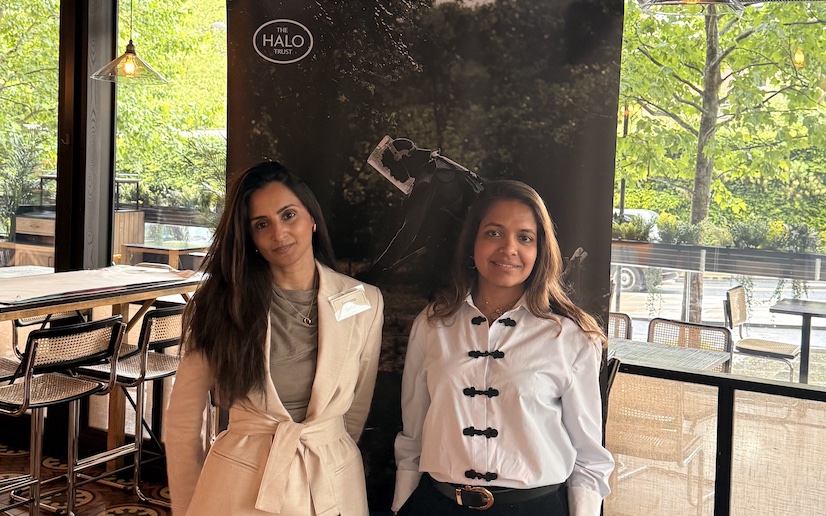
The Sri Lankan diaspora in London came together on the June 2, 2026, for two events hosted in support of The HALO Trust, raising awareness of the organization’s life-changing work to clear landmines and help communities rebuild across Sri Lanka.
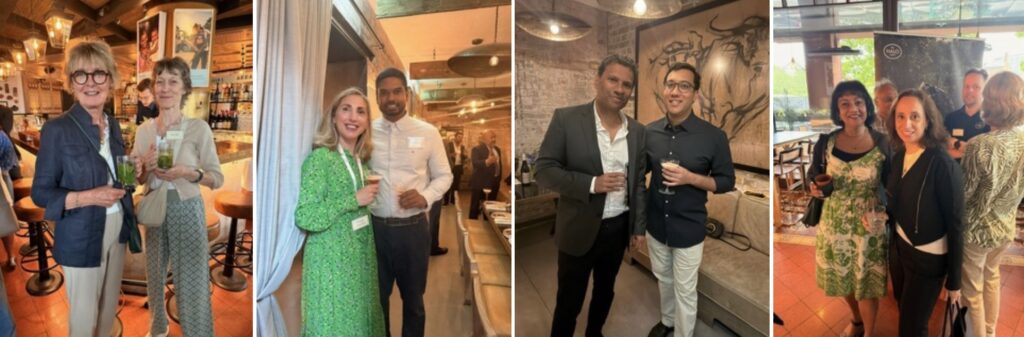
Hosted by Rishini Weeraratne, Ambassador for The HALO Trust and Editor of The Sun (Daily Mirror), Sri Lanka, the events, a private breakfast reception at Hoppers, King’s Cross, co-hosted by Hoppers founder Karan Gokani, and an evening dinner at Kolamba East co-hosted by founders Eroshan and Aushi Meewella, brought together business leaders, philanthropists, professionals, members of the Sri Lankan community and policymakers for meaningful discussions on Sri Lanka’s recovery and future development.
Among those attending the dinner was Labour MP Uma Kumaran, reflecting the growing interest among British policymakers and community leaders in Sri Lanka’s ongoing post-conflict recovery and development.
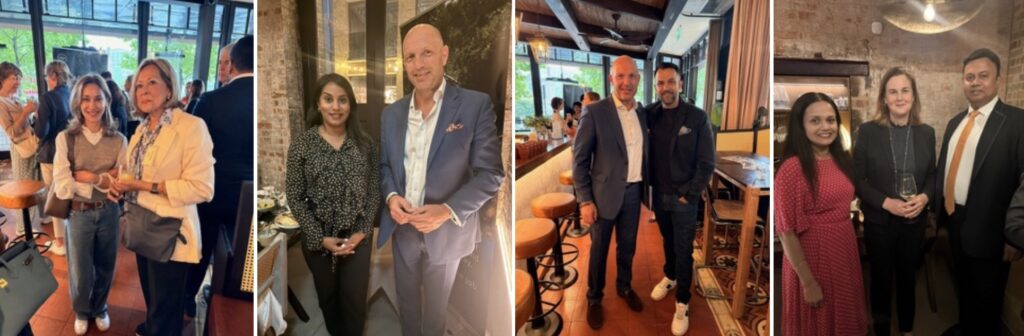
Guests at both events heard from senior HALO representatives, including Chief Strategy Officer Rob Thomson and Sri Lanka Programme Manager Vit Antony, whose personal reflections and experiences from the field provided a compelling account of the progress made in former conflict-affected regions and the work that remains ahead.
The discussions highlighted a remarkable achievement: Sri Lanka, once one of the most landmine-affected countries in the world, is now within reach of becoming mine-impact free. Since beginning operations in Sri Lanka in 2002, HALO has cleared more than 302,000 landmines, released over 120 square kilometers of safe land, and enabled the return and resettlement of more than 285,000 internally displaced people and refugees.
Vit Antony shared stories from communities whose lives have been transformed through mine clearance, illustrating how safe land has enabled families to return home, rebuild livelihoods and access new opportunities. Guests also learned about HALO’s commitment to local employment, with 99% of staff recruited locally and many having themselves experienced displacement during the conflict. Women now comprise 43% of HALO’s workforce in Sri Lanka, including in operational leadership roles.
A key focus of both events was HALO’s ambition to complete the final phase of mine clearance in Sri Lanka. Today, only 22 square kilometers of land remain contaminated, much of it located in the Northern Province, an area increasingly recognized for its tourism, investment and economic potential. Yet even relatively small areas of contamination continue to restrict access to farmland, infrastructure, forests and development opportunities.
Addressing guests at both events, Rishini Weeraratne highlighted the important role that the global Sri Lankan community can play in supporting this final push. “The Sri Lankan diaspora has always maintained a deep connection to the country’s future. These gatherings were an opportunity not only to celebrate how far Sri Lanka has come, but also to understand what remains to be done. The finish line is now within reach, and with continued support we can help ensure future generations grow up free from the threat of landmines.”
Rishini also shared her personal journey with The HALO Trust, having first been introduced to the organization and its work in Sri Lanka by Farzana Baduel, CEO of Curzon PR and a Trustee of The HALO Trust. Through that introduction, she gained first-hand insight into the transformative impact of humanitarian demining, and the vital role HALO continues to play in rebuilding lives and communities across Sri Lanka.
The events, which aimed to generate greater awareness of HALO’s work in Sri Lanka, also encouraged attendees to explore how they could contribute through philanthropy, advocacy and strategic introductions. Guests were invited to visit HALO’s operations in Sri Lanka, engage directly with the organization’s leadership and help broaden awareness of the programme among their own networks.
HALO estimates that approximately US $17m will be required to clear its allocated share of the remaining contaminated land by 2030. While the Government of Sri Lanka has significantly increased its commitment to national mine action, international funding has declined in recent years, making private support increasingly important.
Rob Thomson concluded both events by thanking the hosts, speakers and attendees for their commitment to Sri Lanka’s future and emphasizing the profound impact that mine clearance continues to have on communities, economic development and long-term stability. The strong engagement and enthusiasm demonstrated throughout the day reflected a growing desire among the Sri Lankan diaspora to support initiatives that deliver tangible, lasting change.
Related posts:
 What I Learned About Conflict, Dignity, and Recovery While Visiting Sri Lanka’s Minefields with HALO
 Branding Sri Lanka: Reclaiming the Narrative of the Pearl of the Indian Ocean
 Building Bridges Across Continents Through Storytelling and Strategy
 Sri Lanka Food Festival Highlights Cuisine, Culture in Chennai
