Join WhatsApp Channel

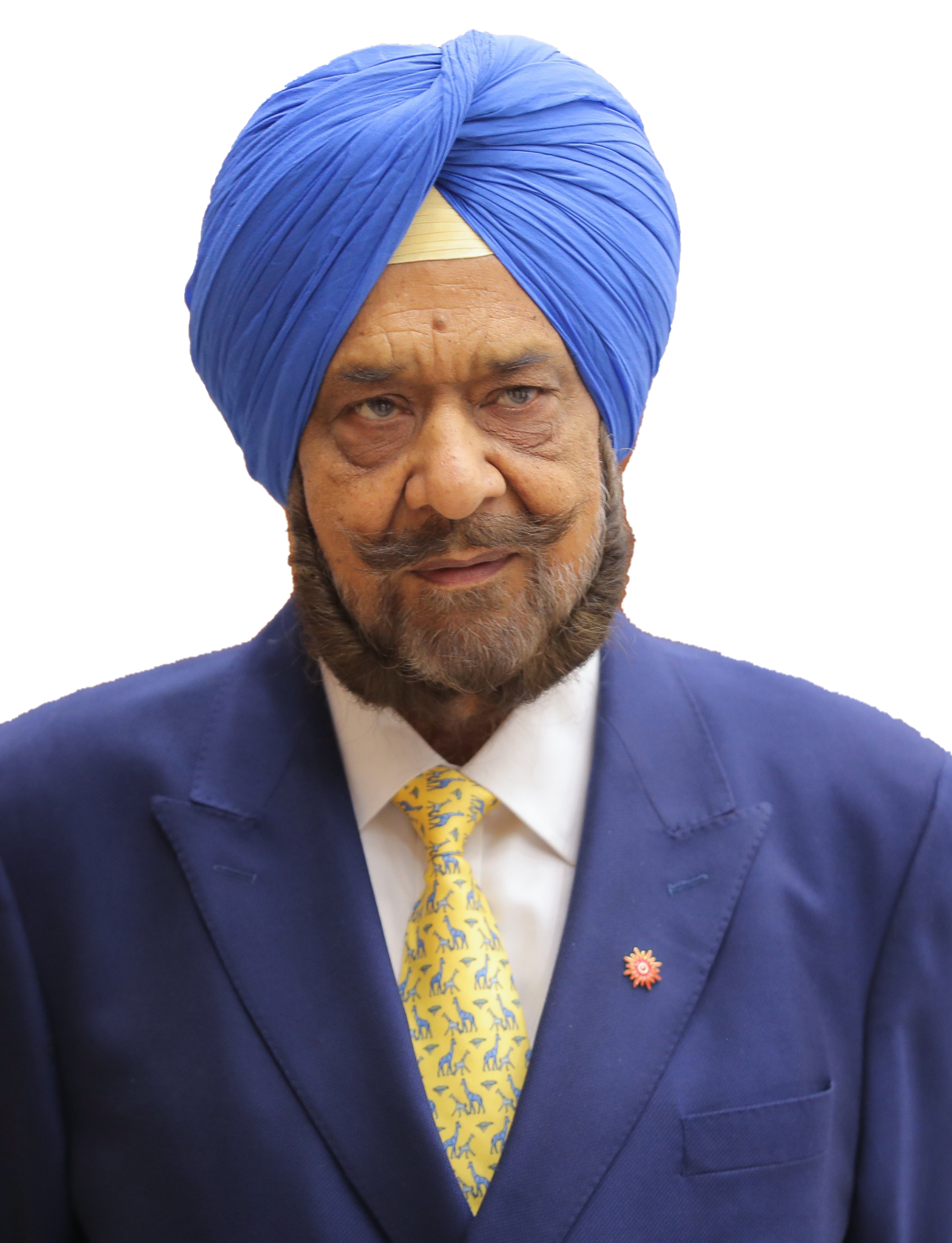
Few individuals have left as profound an impact on the Olympic movement in India and Asia as Raja Randhir Singh. His contributions extended far beyond the shooting range, influencing the growth of sports administration across the continent and helping shape some of India’s most significant international sporting successes.
The late Herb Dhaliwal, one of the first three Members of Parliament of Indian descent elected to the Canadian House of Commons and later the first Punjabi Cabinet Minister in Canada, once shared an illuminating encounter with Raja Randhir Singh.
Dhaliwal, who also chaired Canada’s bid committee for the 2010 Winter Olympic Games, recalled meeting Raja Randhir Singh during an International Olympic Committee gathering while campaigning for Vancouver’s bid to host the Games.
“At the venue of the meeting, I found a smart Sikh sporting a beautiful Patiala Shahi turban. I walked up to him and introduced myself as a representative of the Canadian Olympic Committee. He responded with a smile saying he is the Secretary-General of the Olympic Council of Asia as well as Secretary-General of Indian Olympic Association,” recalled Herb Dhaliwal.
“After exchange of pleasantries, I browsed the subject of the venue for the 2010 Winter Olympic Games.
“I explained to him that since Canada was one of the strong contenders, it needed vote and support from Asia as well to get its bid accepted. (Korea was also in the running for 2010 and it got the 2018 Winter Olympic Games in PyeongChang.) Raja Randhir Singh readily promised to support our bid. And Canada finally made it by a single vote that we hoped came from Raja Randhir Singh,” said Dhaliwal.
The story reflected the respect and influence Raja Randhir Singh commanded within international sporting circles. Throughout his career, he remained closely associated with the Olympic movement, both in India and across Asia.
The Vancouver and Whistler Winter Olympics in 2010 went on to become one of the most successful editions of the Games, attracting approximately 2,600 athletes from 82 nations who competed in 86 events across 15 disciplines.
Raja Randhir Singh represented the latest generation of a family that played a pivotal role in developing organized sports and the Olympic movement in India. His grandfather, Maharaja Bhupinder Singh, uncle Maharaja Yadavinder Singh, and father, Raja Bhalendra Singh, each contributed significantly to the advancement of Olympic sports in the country.
The Patiala royal family’s role in promoting the Olympic movement before and after India’s independence remains unparalleled. Their involvement helped lay the foundation for modern sports administration in the country.
When India hosted the 1982 Asian Games in New Delhi, Raja Bhalendra Singh was leading the Asian Olympic body, then known as the Asian Games Federation, which later became the Olympic Council of Asia. Decades later, Raja Randhir Singh continued that legacy, serving as President of the Olympic Council of Asia and presiding over the 2022 Asian Games in Hangzhou, China.
His passing after a prolonged illness was deeply felt across the Asian sporting community, coming just months before the 2026 Asian Games in Japan.
An accomplished shooter, Raja Randhir Singh specialized in skeet shooting and represented India in five Olympic Games. He also played a key role in securing India’s first Asian Games gold medal in shooting at the 1978 Asian Games in Bangkok.
Having known the Patiala family since the early 1970s, I had the opportunity to watch Raja Randhir Singh both as an athlete and as a sports administrator, particularly during the preparations for the 1982 Asian Games.
He was a familiar and respected presence at international sporting events, easily recognizable for his colorful turbans and distinctive Patiala-style beard, which became part of his public identity.
Many may not realize that the Patiala family was instrumental in organizing the Western Asiatic Games in 1937, regarded as a precursor to the Asian Games. Supported by sports administrators such as G.D. Sondhi, the Indian Olympic movement began to gain momentum even while India remained under British rule.
Raja Randhir Singh continued that tradition of leadership by championing India’s successful bids to host major international sporting events. He played an influential role in securing the 1982 Asian Games, the Afro-Asian Games in Hyderabad, and the 2010 Commonwealth Games in New Delhi.
As a key member of the Commonwealth Games bid committee, he helped present India’s case during the 2006 Commonwealth Games in Melbourne. India’s delegation included political leaders from across party lines, prominent figures from business and industry, sports administrators, and representatives from the entertainment industry.
During his lengthy tenure as Secretary General of the Indian Olympic Association, Raja Randhir Singh worked closely with leaders including Vidya Charan Shukla, B.S. Adityan, and Suresh Kalmadi. Known for his ability to build consensus, he maintained productive relationships across different administrations while remaining committed to the advancement of Indian sports.
Although he later unsuccessfully contested for the presidency of the Indian Olympic Association, his influence on Indian and Asian sports administration remained significant. His legacy continues through the institutions he helped strengthen and the generations of athletes and administrators who benefited from his leadership.
Related posts:
 Indian Hockey’s Road to LA 2028: Tejinder Singh Aujla on Qualification Challenges, Transition, and Governance
 Milano-Cortina 2026 Opens with Dual Cauldrons, Historic Venues, and a Global Call for Respect
 Veteran Sports Journalists Honored at AIPS Ceremony Ahead of Milano Cortina 2026 Opening
 Milano Cortina 2026: 15 Defining Moments from a Historic Winter Olympics