Join WhatsApp Channel

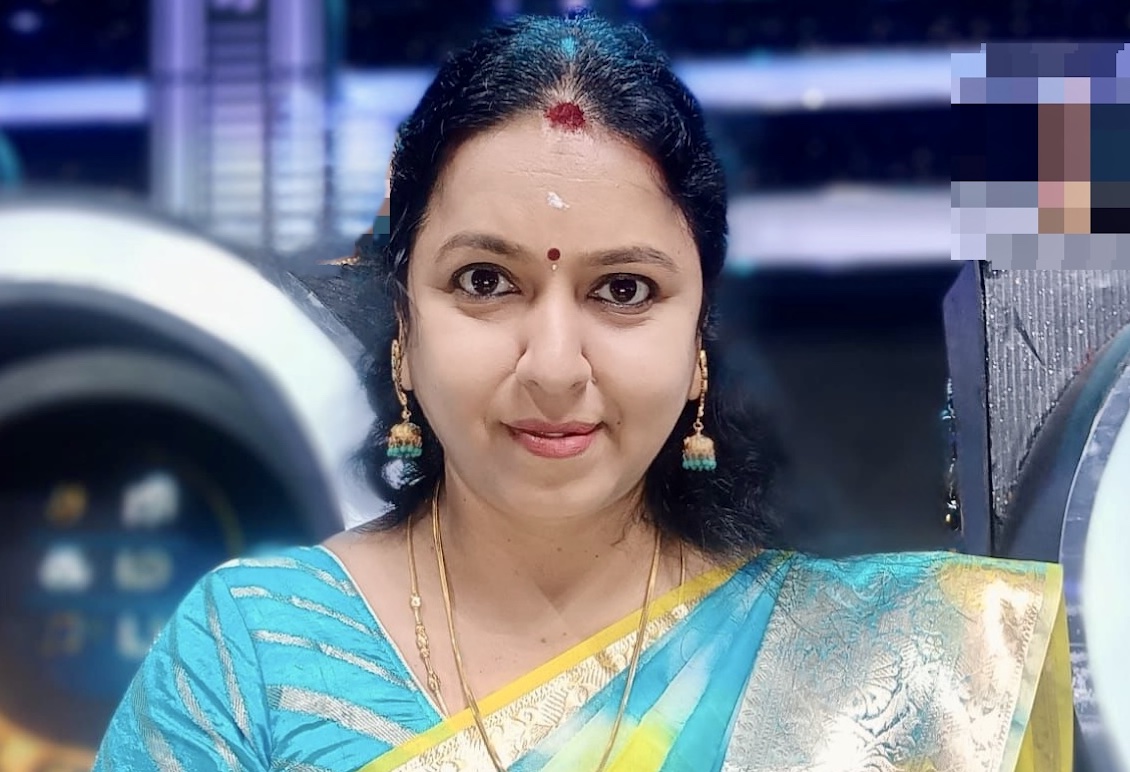
Teaching Carnatic music to students across different countries, age groups, and time zones reveals a beautiful truth: the love for music and the emotional bond between teacher and student remain universal across cultures and locations. As the rapport between teacher and student grows over time, respect, affection, and trust naturally deepen, creating a positive and inspiring learning environment.
In Indian tradition, there is a beautiful saying: “Mata, Pita, Guru, Deivam” — Mother, Father, Teacher, and then God. This reflects the immense respect given to the Guru, who plays a vital role in shaping not only knowledge and skill, but also character and values. In Carnatic music too, the Guru holds responsibility for the meaningful expression: “Sruthi Mata, Laya Pita.”
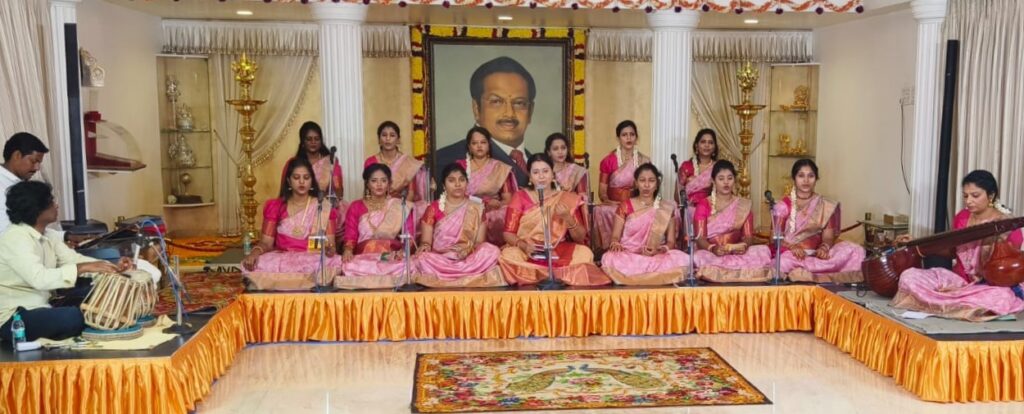
Sruthi, the perfect pitch, is considered the mother, the heart and soul that gives purity to sound. Laya, or rhythm, is considered the father, the heartbeat that brings movement, structure, and beauty to music. The harmony between Sruthi and Laya creates musical balance, just as the harmony between mentor and mentee makes the musical journey meaningful and fulfilling.
Music education, especially for children, flourishes best in an atmosphere of warmth, encouragement, and understanding rather than fear or excessive strictness. While discipline is important, any art form thrives through love and emotional connection. Children respond more openly when learning becomes a joyful experience. Their attachment to classes, eagerness to participate, and even small gestures such as imitating teaching styles or expressing disappointment when classes are missed reflect how meaningful music learning can become in their lives.
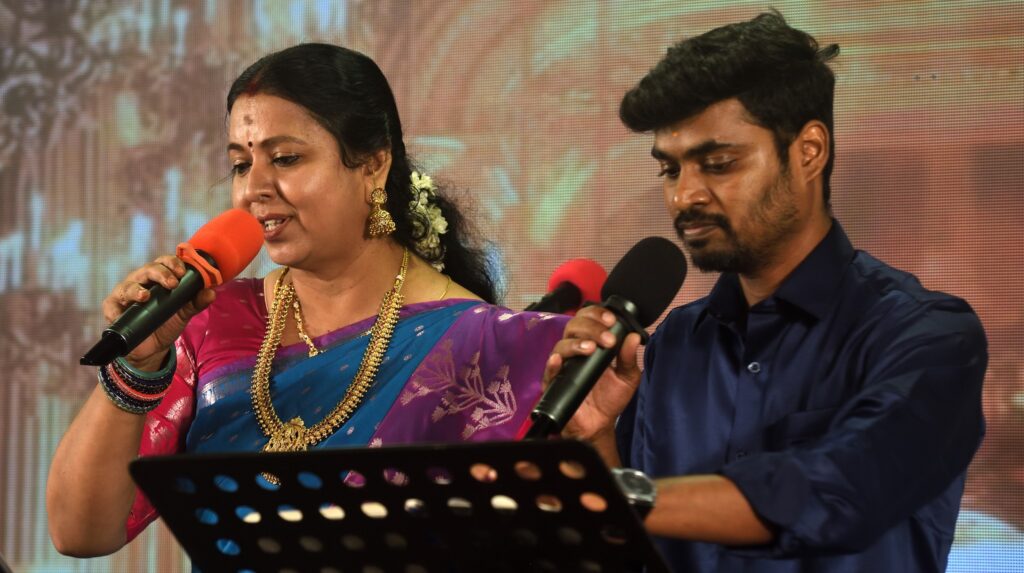
In today’s fast-paced world, many children, both in India and abroad, are not always prepared to handle failure, disappointment, or criticism.
Music education can play a vital role in helping children build patience, resilience, emotional strength, and the courage to accept mistakes positively. Instead of forcing immediate perfection, students should be guided to understand that mistakes are part of learning and growth.
Parents often expect strictness to bring discipline and improvement in children. However, long-lasting interest in music develops when students feel emotionally connected to the learning process. Once music becomes deeply rooted within a child, it can positively influence behavior, emotional balance, discipline, and character. Many parents observe positive changes at home when children engage sincerely and consistently with music practice.
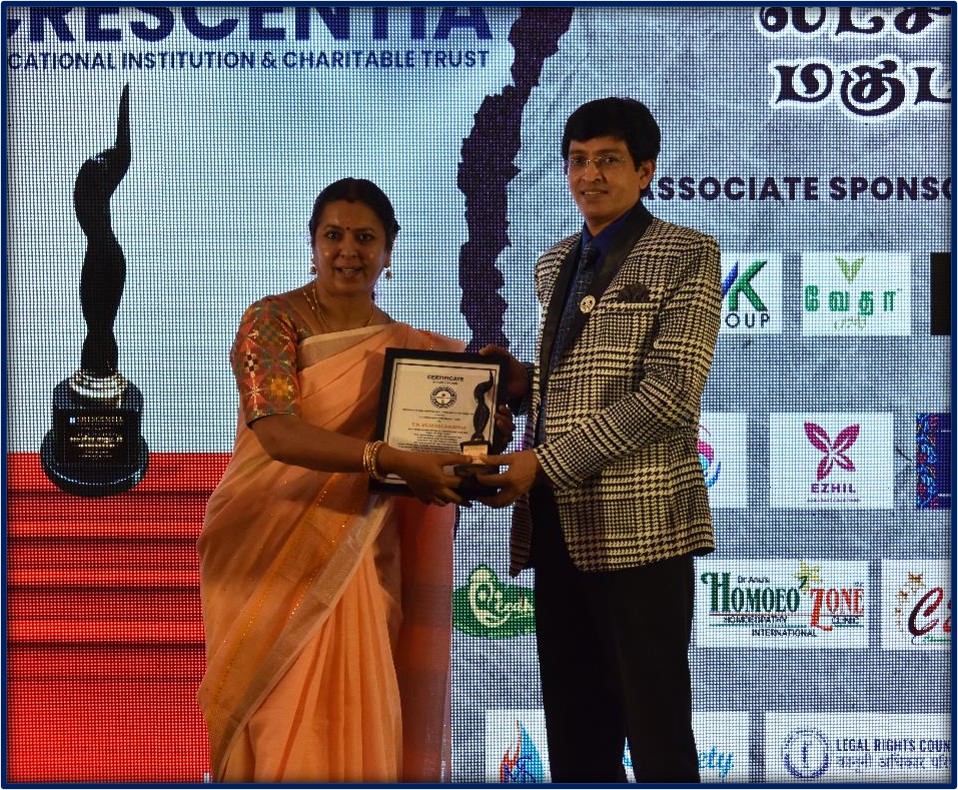
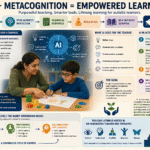
Teaching music should extend beyond notation and technical training. Explaining the meaning, stories, emotions, and moral values behind compositions helps students connect deeply with what they learn. When songs are introduced through storytelling and relatable explanations, children understand and remember them better while also absorbing important life values.
Creativity should also be encouraged as part of musical learning. Innovative exercises such as writing simple lyrics, poems, or creating ideas for learned notations with rhythm help students think independently and develop confidence. Interactive teaching methods and relatable examples make classes lively, enjoyable, and intellectually engaging.
Both teachers and students require patience and consistency throughout the learning journey. Growth in music cannot be rushed. Students benefit greatly from regular practice, consistent class attendance, and periodic sharing of practice recordings to monitor improvement. At the same time, teaching requires tolerance, encouragement, and faith in the gradual progress of every learner.
Carnatic music is not merely a performing art; it is a powerful medium for nurturing discipline, emotional maturity, creativity, values, and inner strength. When taught with compassion, patience, and genuine care, music becomes a lifelong companion that positively shapes personality and enriches life far beyond the classroom.
Disclaimer: The opinions and views expressed in this article/column are those of the author(s) and do not necessarily reflect the views or positions of South Asian Herald.