Join WhatsApp Channel

In films in particular and Art in general, there is no discrimination between Hindu and Muslim, and even less between Hindi and Urdu. As Hasrat Jaipuri had asserted once, the two languages are like sisters. The combination spoken language is termed ‘Hindustani’ or Indian!
In the freewheeling world of cinema, many a time a Muslim lyricist may be asked to write a Hindu devotional song, and a Hindu lyricist a ghazal or a qawwali. Needless to add, all our lyricists have mastered both languages and have excelled in these forms.
Dr. Rahi Masoom Reza was chosen by B.R. Chopra to pen the dialogues for his TV epic, Mahabharat in the 1980s. And those dialogues are now cult. As in lyrics, so also in the script and dialogues.
In cinema, from the 1950s till today, there have been four stand-out examples of films steeped in the Hindu ethos, where the songs were assigned to Urdu lyricists who were also Muslims.
Baiju Bawra (1952)
Director Vijay Bhatt has signed Naushad (also a Muslim but an expert in classical music) for his ambitious historical centering around music. Naushad was the ruling composer then and added salability to a film that had music as its mainstay. Bharat Bhushan and Meena Kumari (still devoid of a hit) were in the leads. Given the devotionals, Bhatt would have preferred a lyricist like Pradeep, Pandit Narendra Sharma or Bharat Vyas. But Naushad requested him to try out Shakeel Badayuni, who was being professionally mentored by him, instead.
The songs proved chartbusters and later, Naushad revealed that Badayuni’s father had been a moulvi (Muslim priest) who had ingrained in his son the importance of studying every religion and religious text as every faith was equally great and led to the same Almighty.
Chitralekha (1964)
The film did not work, the music was huge. It was based on the 1934 Hindi novel of the same name by Bhagwati Charan Verma about Bijgupta serving under the Maurya Empire and the king Chandragupta Maurya in the B.C. era and his love for the courtesan Chitralekha. The film starred Ashok Kumar, Meena Kumari and Pradeep Kumar and was directed by Kidar Sharma. Roshan tuned epic lyrics by Sahir Ludhianvi that included Sansar se bhaage phirte ho, Man re tu kaahe na dheer dhare and Kaahe tarsaaye jiyaara.
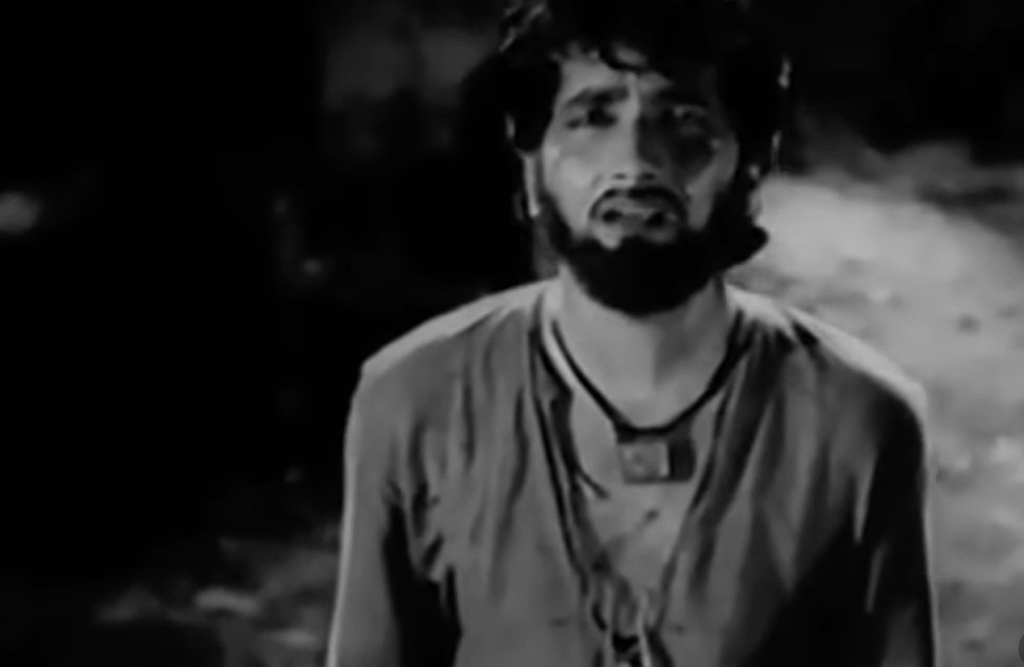
Years later, when interviewing the titanic songwriter Indeevar (who completed two of Sahir’s films after his death—Deedaar-E-Yaar and Lakshmi), he revealed a secret. “All we lyricists were friends with each other,” he stated. “Sahir-saab actually came to me when he was writing the songs and asked me to check their authenticity in the Hindu ethos. But I told him that his lyrics were perfect! In the 1970s, when B.R. Chopra as usual offered him (he was their permanent lyricist) the Dilip Kumar-Dharmendra film, Chanakya Aur Chandragupta, Sahir-saab recommended my name instead. I even recorded a song with Naushad-saab before the film was dropped for other reasons.” A fragment of the song, incidentally, can still be heard online!
Agni Varsha (2002)
This period (B.C. era again) drama directed by Arjun Sajnani featured an ensemble of Amitabh Bachchan, Jackie Shroff, Nagarjuna, Raveena Tandon, Milind Soman and Prabhu Deva, with music composed by Sandesh Shandilya.
The songs were sung by leading singers as well as classical maestro Ustad Sultan Khan and were written by Javed Akhtar. Akhtar later preened that he had made sure that not a single word in the five songs was in Urdu! He said that other lyricists often did not take care about this in such purely Hindi subjects.
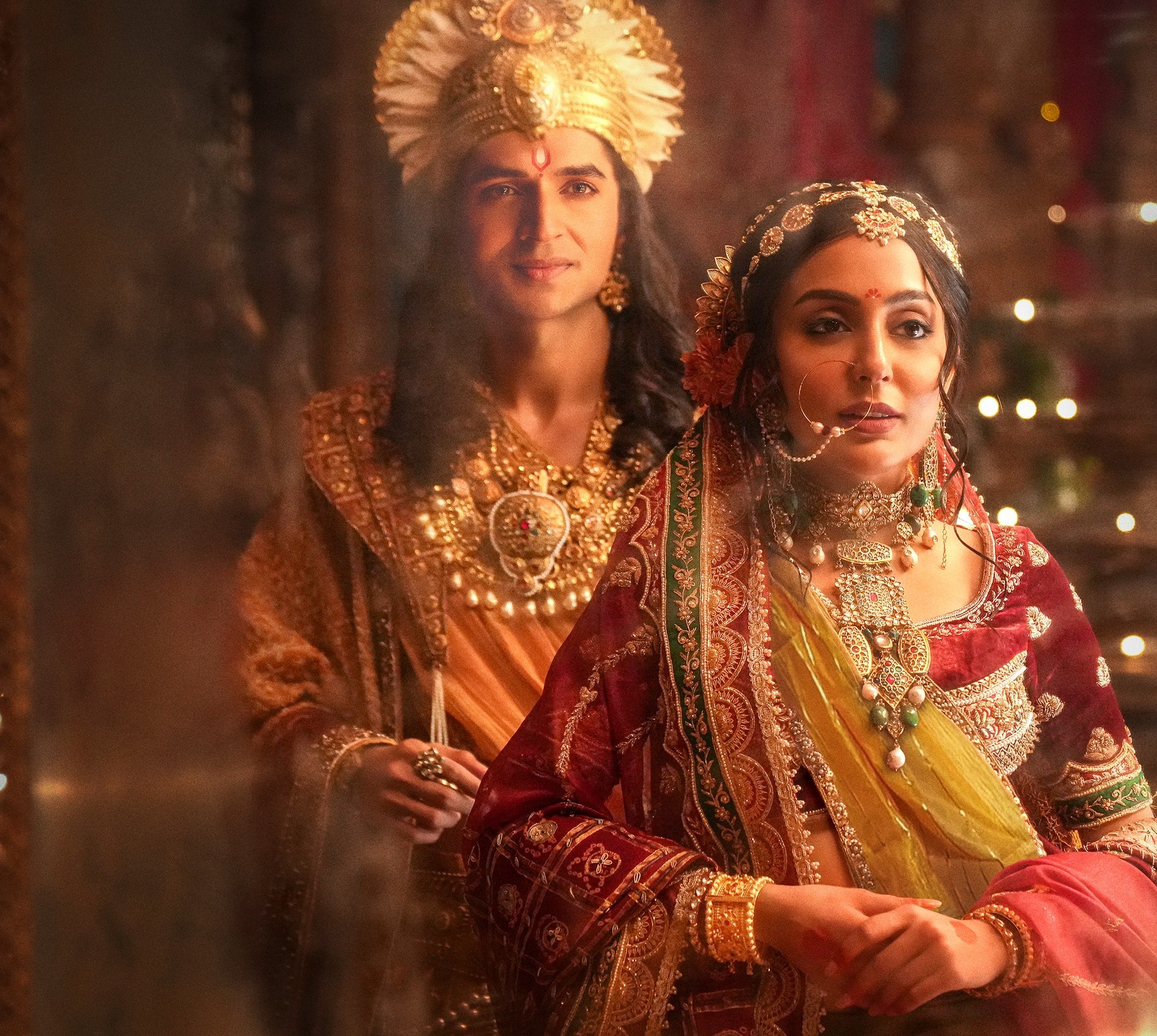
Krishnavataram Part 1: Heart (2026)
Irshad Kamil was chosen to write the songs by director Hardik Gajjar and also was composer Prasad S. (Sashte)’s choice. This was simply because he had a personal rapport with them and his good work was known to them. Only while working on the eight lovely songs did the two come to know that Kamil had done in Masters in Arts in Hindi. The subject he chose was Krishna Kavya (the poetry of Lord Krishna). And his lyrics in the film are perfect!