Join WhatsApp Channel

India’s aviation sector is entering a phase that feels both familiar and uncertain. Familiar, because consolidation is not new to this industry. Uncertain, because the balance of power now appears to be shifting in ways that could shape pricing, regulation, and passenger experience for years to come.
Recent tensions around regulatory discussions—particularly those linked to flight crew duty norms—have triggered wider debate. A period marked by significant flight disruptions left many passengers dealing with delays and cancellations. While the precise causes and decisions behind these events remain open to interpretation, the episode has raised a broader question: how much influence do dominant airlines hold in a market where competition is narrowing?
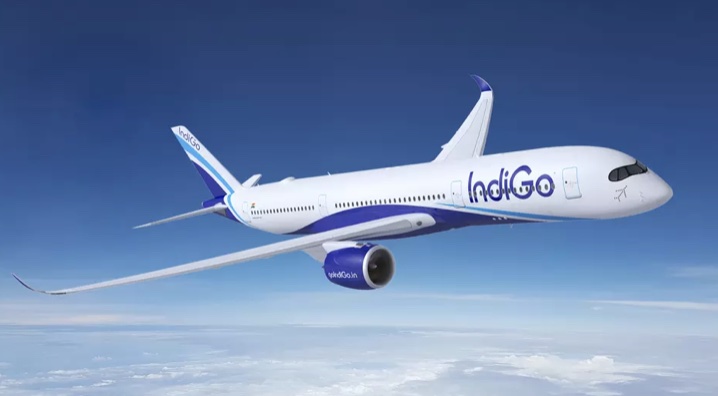
At the center of this conversation is IndiGo, India’s largest airline by market share. Its scale and operational efficiency have made it one of the world’s most successful low-cost carriers. Yet, with dominance comes scrutiny—especially in a landscape where alternatives remain limited or unevenly positioned.
Across the sector, SpiceJet continues to navigate financial challenges, while Akasa Air is still expanding its footprint. Regional carriers such as Star Air operate on narrower networks, often supported by government schemes. That leaves two major players—IndiGo and Air India—carrying a substantial share of passenger traffic.
Such concentration is not unusual in aviation. High fixed costs, thin margins, and volatile fuel prices often push markets toward fewer, larger players. However, when capacity is concentrated, the dynamics of pricing power and consumer choice inevitably come into sharper focus.
India has seen earlier phases where limited competition amplified the impact of disruptions. While today’s market is structurally different, it carries a similar vulnerability: when fewer airlines control more seats, disruptions—whatever their cause—have wider ripple effects.
The discussion has been further energized by the association of Willie Walsh with IndiGo. Walsh, a seasoned aviation executive and former head of the International Air Transport Association, is known for his strong views on airline economics and regulation.
Some industry observers see his involvement as a signal of a potentially more assertive strategic direction, particularly in regulatory engagement and global positioning. Others caution that such expectations remain speculative and that any meaningful shift will depend on broader market conditions.
What is often lost in public debate is the fundamental distinction between low-cost carriers and full-service airlines. Low-cost models, pioneered by airlines such as Southwest Airlines and Ryanair, are built on lean cost structures, high utilization, and unbundled pricing. Full-service carriers, by contrast, evolved with higher costs tied to assets, service levels, and legacy systems.
India’s aviation boom has been driven largely by low-cost travel, which opened the skies to millions of first-time flyers. That transformation remains one of the sector’s defining achievements.
As the market matures, however, new questions emerge. While there is no verified evidence of coordinated pricing or anti-competitive conduct, industry watchers often note that reduced competition can, over time, influence fare trends—particularly during peak demand or capacity constraints.
For passengers, this may translate into a more nuanced pricing environment. Base fares may remain competitive, but the final ticket price increasingly depends on add-ons, flexibility, and timing. In effect, the cost of travel becomes less about the advertised fare and more about the total journey.
For regulators, the challenge is to strike a balance—encouraging growth while ensuring fair competition. Too much intervention risks slowing innovation; too little may allow distortions to emerge. Transparent rules and consistent oversight will be key as the sector evolves.
Ultimately, the story unfolding in India’s skies is not just about one airline or one executive. It reflects the natural progression of a fast-growing industry entering a more consolidated phase.
For travelers, the takeaway is simple: as competition tightens, pricing may become more dynamic and choices more structured. How this balance plays out will define the next chapter of Indian aviation.
Disclaimer: The opinions and views expressed in this article/column are those of the author(s) and do not necessarily reflect the views or positions of South Asian Herald.