Join WhatsApp Channel

There is only thing that nearly everyone is sure of in the Middle East war with Iran: NOTHING. A conflict which is soon to enter the second month has seen a raft of kite flying from official sources and in the media on how exactly to go about.
For now it is all Messages flying around Washington, Tehran and Tel Aviv; and some even venturing to talk about “back channels” already under way. And with this the speculation of who the interlocutors could be—Turkey, Egypt and Pakistan or all three of them doing their bit to bring an end to hostilities started by Israel and the United States on February 28. But ground realities speak of no ceasefire, the first prerequisite for any meaningful negotiations.
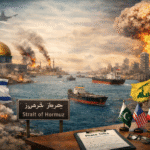
The political temperature in Washington seems to be in correlation with that of the markets and how the price of Brent is on any given day. From hovering around the US$ 110, price of oil appears to have stabilized around US$ 100, but the same thing cannot be said of LPG and LNG, the hardships faced globally in the kitchens, especially in South Asia. For now all attention is supposedly on a 15-point plan submitted by Washington with a five day grace period. Based on hearsay, it is supposed to convey to Tehran that it can have no nuclear weapons plan; that over a period of time the United States could facilitate a civilian nuclear program; lifting of sanctions and joint patrolling of the Strait of Hormuz.
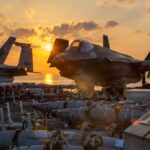
Expectedly Tehran has rejected the proposals insisting that no negotiations are taking place; but has not denied of engaging in “messaging.” Apparently Iran’s counter-proposal has called a total halt on aggression and assassinations and recognition of the country’s sovereignty over the Hormuz. In the midst of all those ‘peace’ initiatives are reports of hundreds Americans marines and paratroopers of the 82nd Airborne Division on the move; and Iran for its part preparing for an American invasion of the Kharg Island, a scenario that is fraught with dangerous consequences pulling Washington into a quagmire not seen since the days of Vietnam, Iraq and Afghanistan.
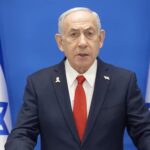
In the midst of all these maneuvers, are reports that speak of Israel and Saudi Arabia pressuring President Donald Trump to continue with the offensives but for different reasons. Prime Minister Benjamin Netanyahu wants the clerics out of his way as also the nuclear weapons program of Iran; and Saudi Arabia would hope for a new power balance in the Middle East. And the Gulf nations that have for the last several decades been building their defenses against Iran have seen their infrastructure shattered as well as putting a huge dent in the aura of stability and invincibility that investors are looking for. Word is that Gulf capitals have been pushing the Trump administration to halt pointing to the devastating blows to energy infrastructure and weaponization of water by Iran endangering the desalinization plants.
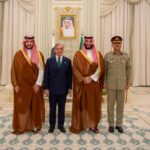
Politics, the saying goes, makes for strange bedfellows. The principals in the conflict are Israel, the United States, Iran and by extension the Gulf nations. The so-called interlocutors, negotiators or messengers are Turkey, Egypt and Pakistan, each of whom have had differences with Washington, Tel Aviv and Tehran even at times being virulent critics for one reason or another. For instance in the 1980s, Israel was scared out of its wits with Pakistan’s “Islamic Bomb” wanted to destroy Kahuta uranium enrichment facility. Israel has always seen the Pakistani bomb as an existential threat as well as a source of technology supply to Libya and Iran.
In June 2025 an Iranian Guards Commander mouthed off—but quickly retracted—that Pakistan was ready to drop the bomb on Israel; and this time around Saudi Arabia pulled out its Pakistani nuclear insurance by saying that it could invoke its defence treaty with Islamabad, but against Iran. Now the international community is made to believe that both Tel Aviv and Tehran are acceptable to having Islamabad as a negotiator. In all this there is a hope that President Trump will be able to restrain Prime Minister Netanyahu in his bombing runs against military sites as well as missile attacks on the remaining leadership of the Khamenei era.
Everyone is looking for a way out. To President Trump and his Republican Party, Iran is becoming a bigger liability by the day even if the Make America Great Again (MAGA) crowd is gung-go with is leader. President Trump is too aware of the fact that if his party loses both the House of Representatives and the Senate in November mid-terms, his legislative agenda is toast; and he will become politically irrelevant for the next two years.
The French President Charles de Gaulle reminded American leaders of the resilience of the Vietnamese and not to be confused between nationalism and communism. The despotism of the Shah of Iran and the brutalities of the clerics should not be taken to mean that the people of Iran will accept what is handed down by way of regime change. That is wishful thinking. It has been a long way travelled since the time the British and American intelligence joined hands to overthrow the democratically elected government of Mohammed Mossadegh in 1953. Times have changed and so have thinking.
Disclaimer: The opinions and views expressed in this article/column are those of the author(s) and do not necessarily reflect the views or positions of South Asian Herald.