Join WhatsApp Channel

As Jam Boy prepares to premiere in the Washington, DC area, the film’s deeply personal themes of ambition, identity, and cultural rootedness take on even greater resonance. In this exclusive interview with South Asian Herald, Manga Emani, Sriram Emani’s mother, shares her reflections on watching her son translate family traditions into cinematic storytelling.
From teaching him ancestral recipes over Zoom during the pandemic to performing a Telugu rap rooted in Carnatic rhythm, she offers a rare and intimate perspective on heritage, creativity, and the quiet power of values passed down through generations. She also speaks candidly about her first experience acting on screen, welcoming a full film crew into her home, and seeing everyday cultural details elevated for a global audience.
Manga is a singer, actress, and “proud” cultural torchbearer whose performance in Jam Boy marks her screen debut. Raised in Rajahmundry, India, she grew up in a home rich with storytelling, music, and family traditions passed down through generations.
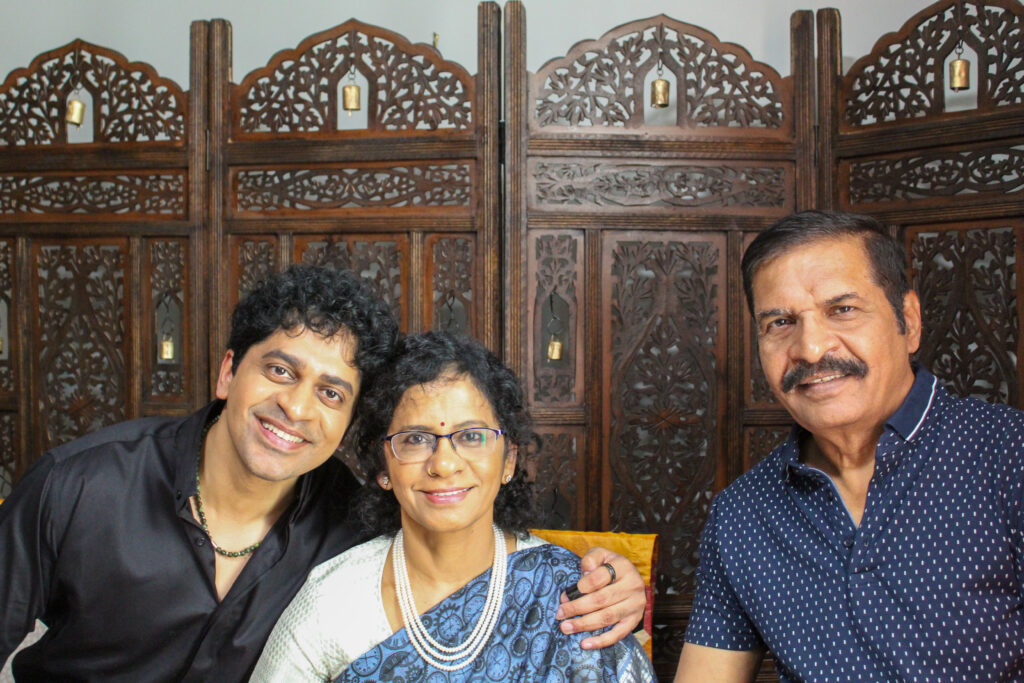
Trained in Carnatic music, Manga brings a deep sense of rhythm, warmth, and authenticity to her performances – including a memorable Telugu rap in Jam Boy. She is the lead singer in several IndianRaga music videos, including Laali Laali and Kalyanam Vaibhogam that have garnered over 2 million views on social media.
The film explores ambition, identity, and staying rooted. How do you see that as a mother?
I have always believed that achievement without roots can make a person successful, but not whole. Education may take our children across oceans, into powerful rooms and important careers, but it is their culture that keeps their feet on the ground. When you know where you come from, you do not get lost wherever you go.
During COVID, Sriram decided he did not want our food to remain just a memory of home and that he wanted to learn to make it himself and bring home to wherever he is. Over Zoom, we went through each recipe carefully, from the tadka to the timing and even developing the instinct for when something is cooked just right – he still wants to measure every little thing, but he will learn to trust his instincts one day.
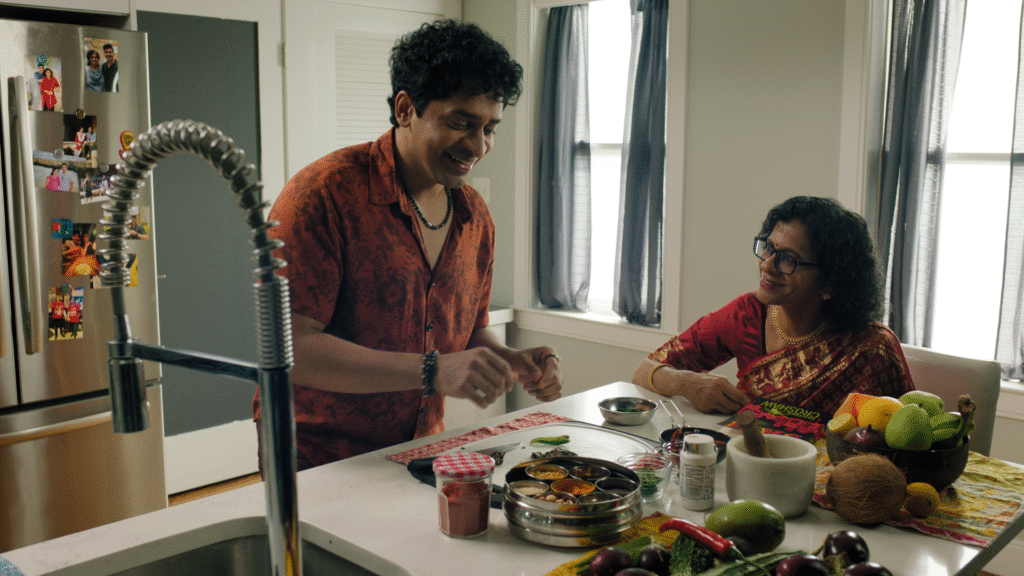
For now, I’m so happy that he cooks those dishes for his friends with such confidence. When I see him make tamarind rice the same way we have made it at home for years, I feel joy. That dish is not only food. It carries memory, patience, and care. Seeing it become part of his storytelling reminds me that the values we pass down in our kitchens can travel very far.
You performed the Telugu rap in the film. How did you approach something so new?
I am trained in Carnatic music, but I had never done a rap before. Sriram understood that, so he wrote the rap in Adi Thalam, the eight beat cycle I know well. That made it much easier for me to learn it and became so much fun to do! I’m going to try rapping a lot more now. So lovely how something that felt foreign to me became so familiar when set within a structure I was familiar with. I have newfound respect for rappers now, previously I never understood that style of music.
Performing this rap was joyful also because it talks about spices in an empowering way and shares the journey of their purpose beyond just taste. I had never even heard the song Ice Ice Baby before this film, but now I sing Spice Spice Baby all the time.
This was your first time acting. What surprised you most about the process?
I did not realize how much patience acting requires. You do not just say your lines once. You must repeat them many times, and each time the emotion must remain truthful. I learned to pause quietly before the cameras rolled and imagine what my character had been doing just before that moment in the story. That helped me enter the scene naturally, instead of just starting with words.
I also loved seeing how the film changed after shooting. Sriram showed me different edits and explained every change. Watching the music come together moved me deeply. An IndianRaga fellow, Poornima, played the flute, and her sound added such a genuine emotional layer to the scenes thanks to Jude Shih (the composer) taking the extra effort to incorporate it. I realized then that filmmaking does not end when the camera stops. Sound and music give the story a second life. That whole process made me fall in love with acting and filmmaking itself. I would happily do it again.
What was it like having a full film crew in your home?
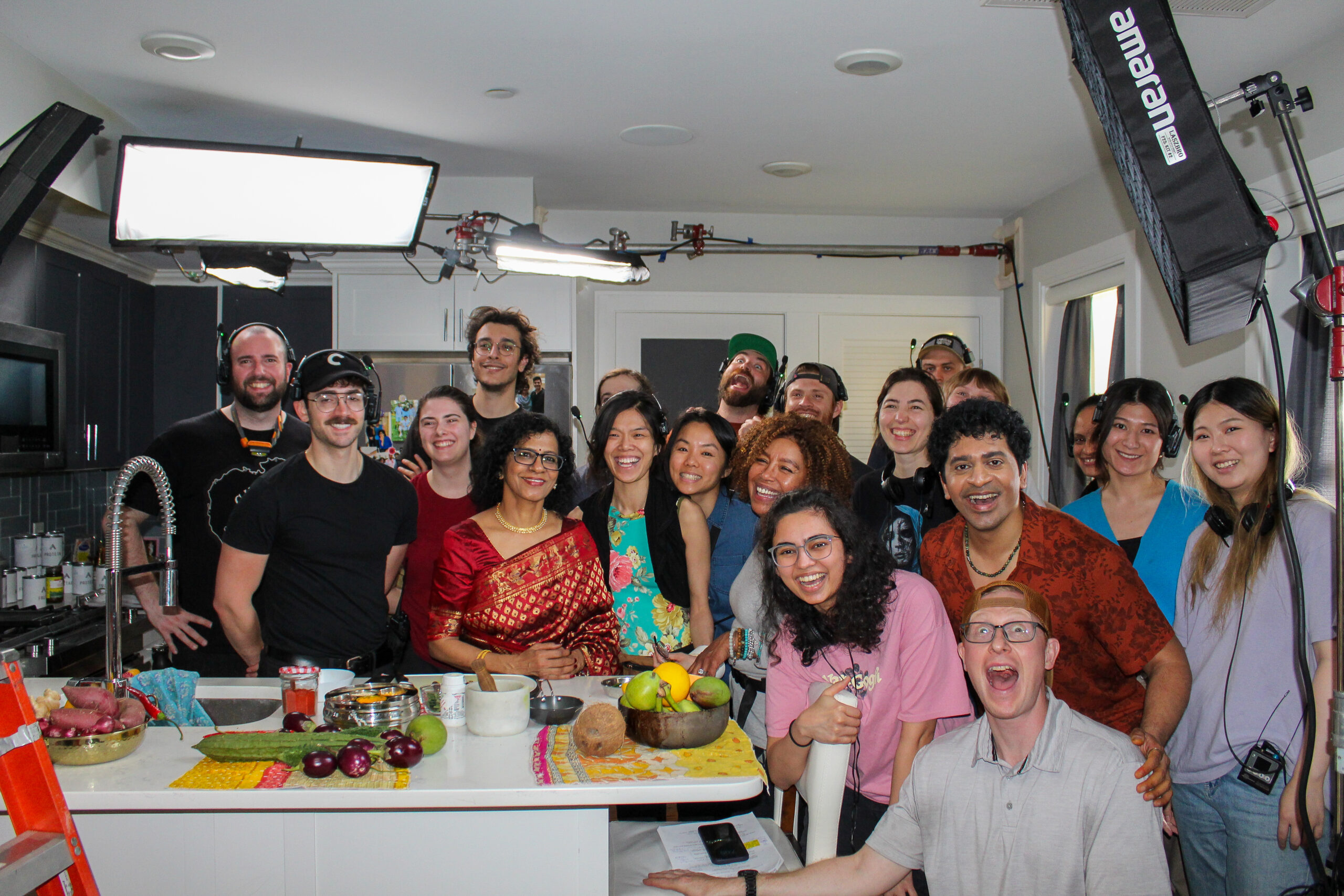
I had never seen such equipment before. The crew laid down tracks on the floor with wheels and a platform for the camera to glide smoothly. It showed me how much coordination and care goes into each shot. What touched me most was how respectfully everyone handled my home. They rearranged my entire kitchen for filming and later returned every item exactly to its place.
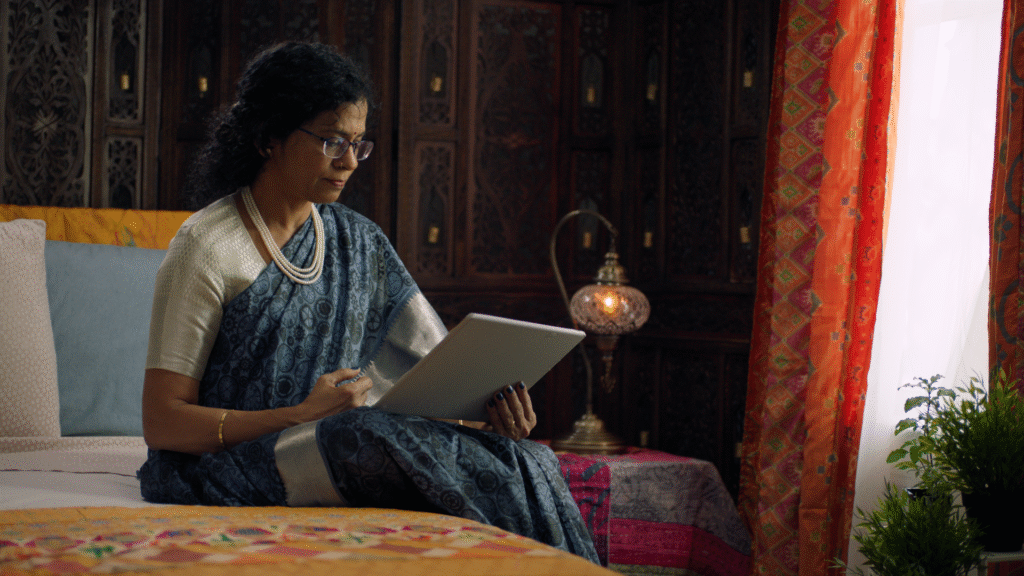
I made chai for the team, and it became a small moment of togetherness. Many came back for a second cup. I also shared simple homemade food with the production designer, Joyce Lai. She had taken such care to bring cultural authenticity into the film, from the traditional wooden partition with softly ringing bells to the smallest kitchen details. It reminded me that the joy of eating a home cooked ancestral recipe is something unites people across cultures.
The film includes many visual details from your own life and home. What does that mean to you?
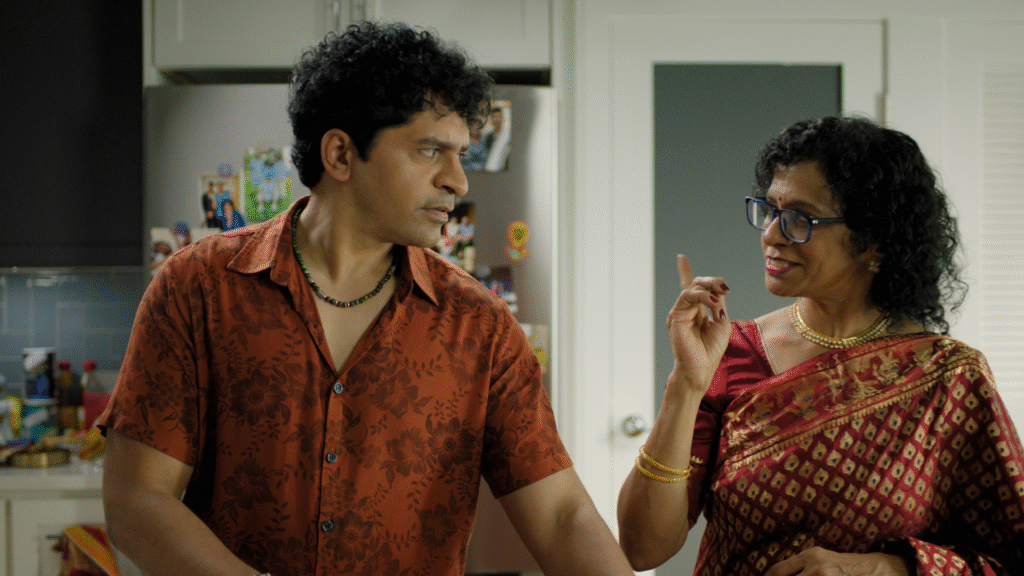
It made me proud that our culture was represented with such attention and respect. By chance, my niece Parvathi Rachakonda had recently gifted me a saree covered in clock motifs. Sriram saw it and said it was perfect for the film, as a reminder that time waits for no one and the moment to act is now which is a key message of the film.
From my spice box to the way I prepare tamarind rice, to the sarees I drape in the film – all the detail was authentic and honest. Some of these details carry history and tradition with them, and I’m excited that the movie is going to be seen by such a global and diverse audience.
How do you feel about the film premiering in the Washington, DC area?
It fills me with happiness because so many of our dear family and friends are based there. It feels less like a screening and more like sharing something personal with my extended family. I am proud of how carefully Sriram has planned every step of this journey. My prayer is that he continues to tell stories with the same sincerity and care, and that he makes many more films that carry meaning along with entertainment.