Join WhatsApp Channel

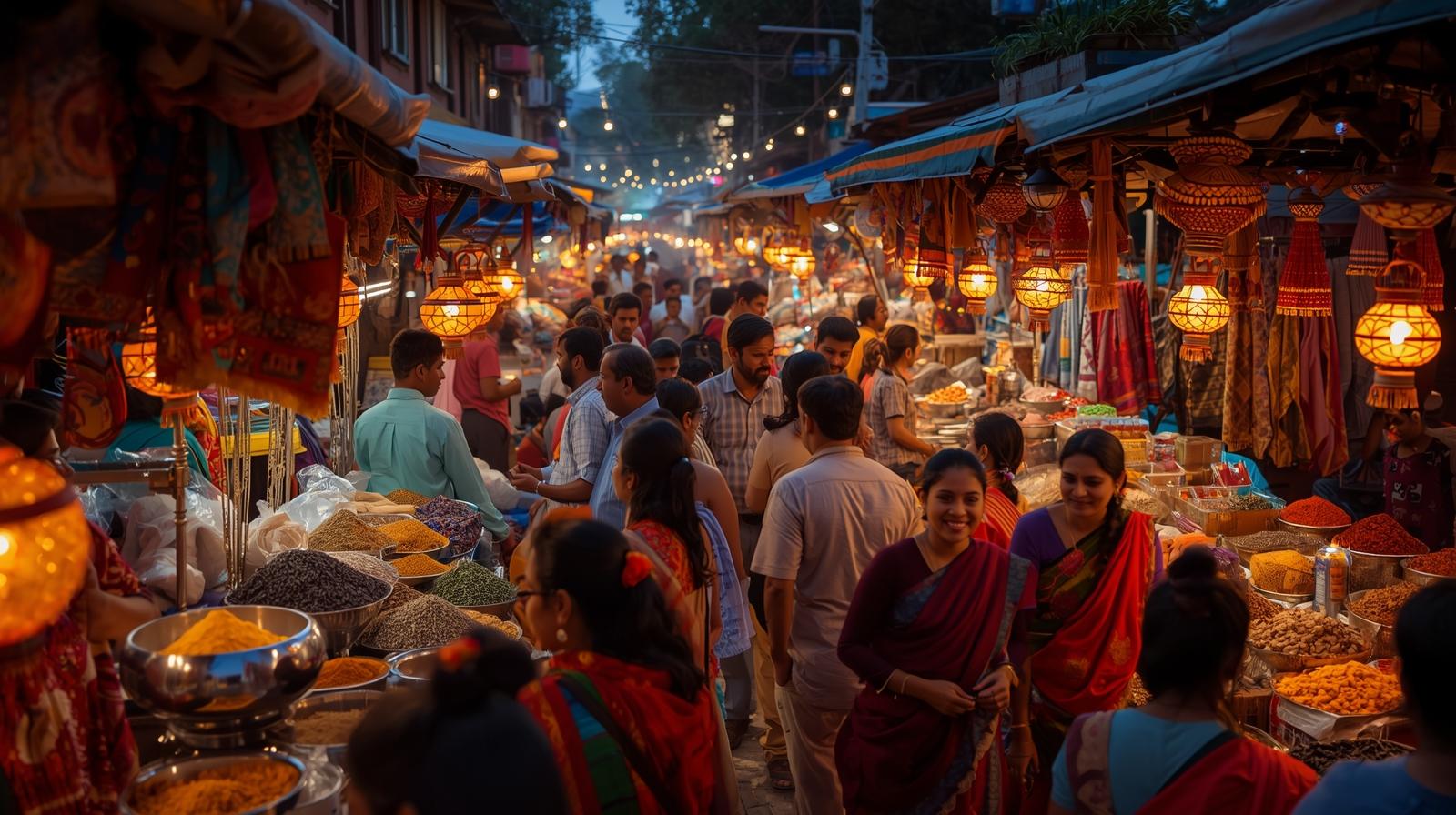
India’s consumer economy clocked its strongest Navratri sales in over ten years, underscoring the return of robust household demand at the start of the festive season. Retailers and manufacturers credited a mix of tax relief, rising disposable incomes and a rebound in consumer confidence for the record-breaking spree.
Analysts said the recent rationalization of Goods and Services Tax (GST) rates acted as a catalyst, bringing down prices of both essentials and aspirational goods. From cars and motorbikes to smartphones and refrigerators, families used the nine-day festival to make long-deferred purchases, signaling a release of pent-up demand.
“GST cuts have put more spending power directly in consumers’ hands. People are upgrading, not just replacing, which is a strong indicator of confidence,” said a senior retail industry executive.
Spending patterns
Households moved beyond traditional festive buys of garments, sweets and décor to bigger-ticket items. Automobile bookings touched decade highs, while consumer electronics chains reported double-digit growth. High-end categories — such as premium SUVs, large-screen televisions and smartphones — outperformed expectations, reflecting what economists call an “aspiration upgrade.”
Reliance Retail, India’s largest retailer, reported sales growth of 20–25 per cent compared to last year’s Navratri, while electronics chains such as Vijay Sales said purchases of large appliances and smart devices were sharply higher. Automakers from Maruti Suzuki to Mahindra logged their best-ever festival deliveries.
Wider impact
The buoyant sales come as the country enters the peak festive cycle, stretching from Navratri to Diwali and Chhath Puja, which together account for nearly half of annual retail spending. Traders project Diwali sales this year could touch ₹4.75 lakh crore, extending a consistent upward trend in festive consumption since 2021.
The Confederation of All India Traders (CAIT) said its survey across 35 cities confirmed that consumers were spending more freely than in recent years, encouraged by both lower GST rates and steady income growth. “This season has unlocked purchasing power across classes, with middle-income households driving much of the growth,” the body said.
A demand-driven recovery
Economists caution that while festival spending often inflates short-term consumption numbers, the current surge reflects a deeper trend. After years of pandemic drag and inflationary pressures, households appear willing to loosen their wallets again — a sign of resilience in India’s consumption-led economy, which contributes about 60 per cent to GDP.
If sustained through the Diwali season, the record Navratri sales could mark not just a seasonal boom but a broader inflection point for India’s demand revival.