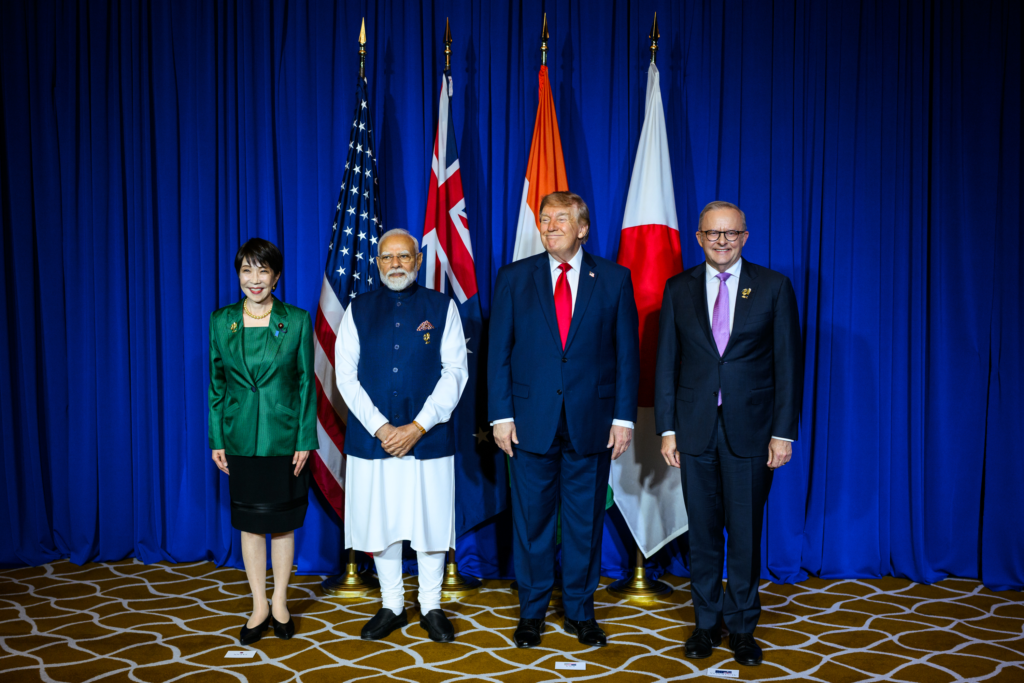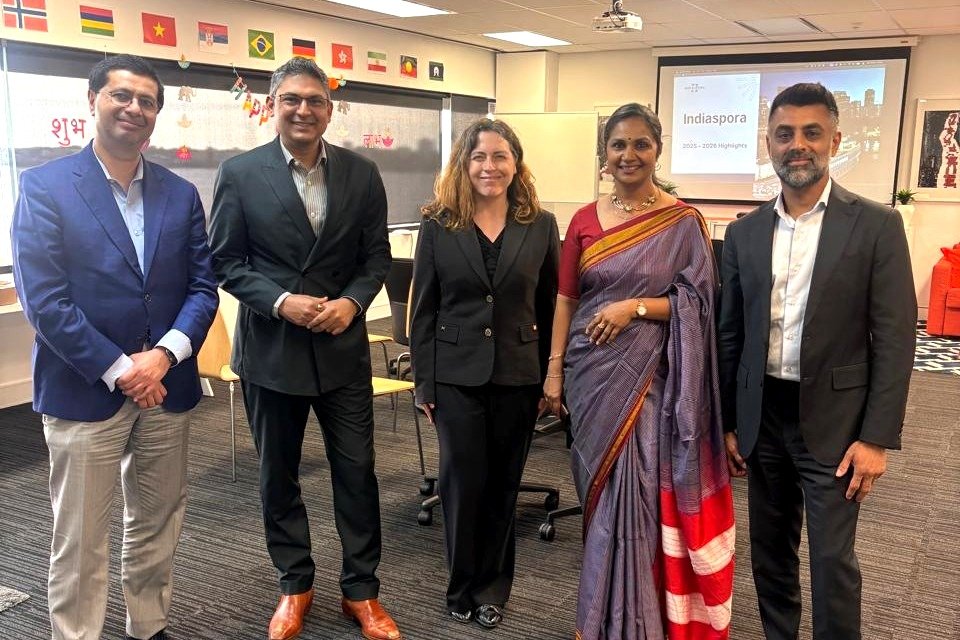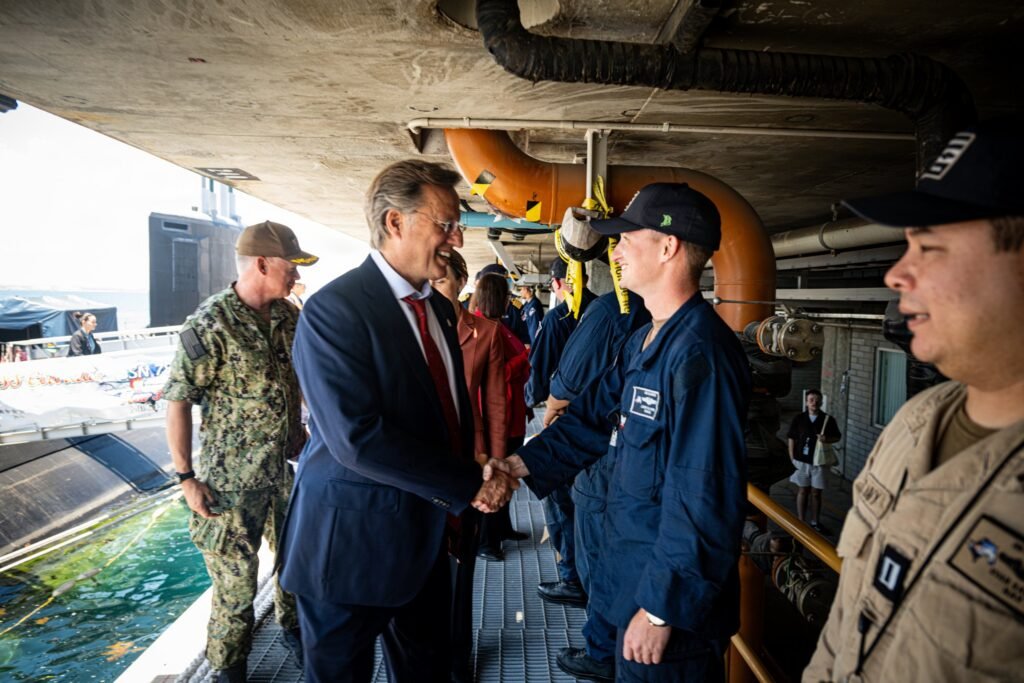
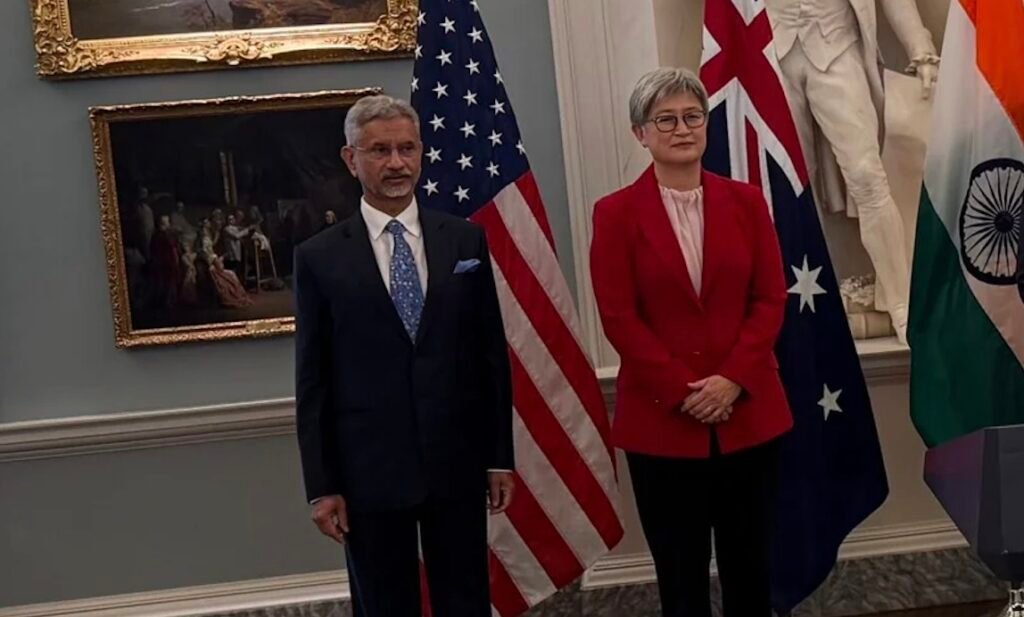
Australia’s Foreign Minister Penny Wong has told Parliament that the United States remains Australia’s most important partner, while making clear that Canberra will not stake its future on Washington alone. In a ministerial statement delivered in the Senate on November 24, 2026, she called the United States “our closest ally and principal strategic partner.” She also said: “The Albanese Government has never relied on the alliance alone to secure our future.”
In the speech, Wong set out how Australia intends to navigate what she described as sharper competition between the United States and China.
Rivalry With Fewer Guardrails
Wong opened with a stark reading of the global picture. She said the United States and China are “competing across every domain, with less regard for the guardrails that once kept competition from tipping into conflict.”
“The relationship between the United States and China remains the central strategic dynamic of our time,” she added.
Advertisement
Why the Alliance Still Matters
Wong was direct about what Australia gets from its US ties. She said the alliance “enhances our security, gives us access to advanced technology and intelligence.”
Her message was that the alliance is the foundation, not the whole house. Alongside it, she said Australia is “delivering the largest peacetime increase in defense spending in our history,” which she put at “an extra $117 billion over the decade.”
India: “A Major Strategic Partner”
Wong called India “the world’s largest emerging economy” and “a major strategic partner whose choices will help shape this century.”
She said India’s growing weight “creates new opportunities for economic diversification.” She also pointed to the leaders’ 2026 Joint Declaration on Defense and Security Cooperation, which she said “committed us to closer strategic consultation.”
Wong placed India in a group of countries she sees as Australia’s natural partners. She named India, Indonesia, Japan and the Republic of Korea as countries that, like Australia, are bringing growing economic weight to the region.
Communities as Capability
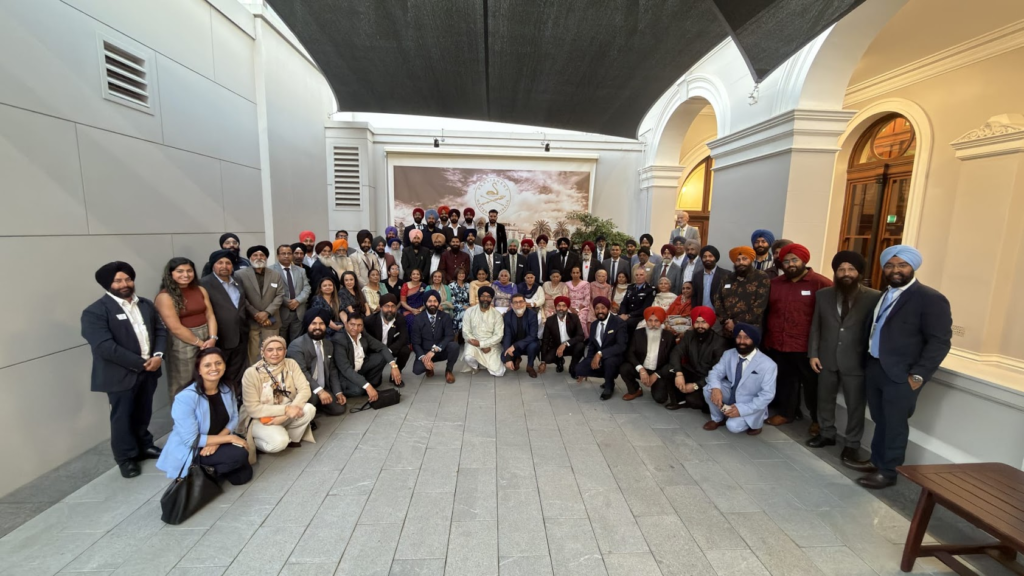
Wong also counted Australia’s own people among its strategic assets. “Our communities speak the languages and understand the societies of the region in which we live,” she said. “This is a source of Australian capability. This is a source of Australian influence.”
The Middle Power Playbook
That group sits at the heart of what Wong called “amplified middle power diplomacy,” which she said “characterizes our approach.” She rejected the idea that smaller and mid-sized nations should give up on global institutions. “Middle powers will not help themselves by walking away from multilateralism just because it is imperfect,” she said.
Wong also referred to Australia’s bid for a seat on the United Nations Security Council for the 2029-2030 term.
AI on Australia’s Terms
Wong also addressed artificial intelligence, an issue that has put Canberra and Washington in the same conversation in recent weeks. “We welcome frontier AI investment and innovation, but on terms that work for all Australians,” she said. She said the government is “legislating mandatory safety and security protections for every frontier AI company that operates in Australia,” in an approach that “does not reward speed over prudence.”
Closer to Home
In the Pacific, Wong said Australia’s “new comprehensive treaty with Solomon Islands” would “elevate and deepen our partnership.” Prime Minister Anthony Albanese and Solomon Islands Prime Minister Matthew Wale signed the Australia-Solomon Islands Treaty in Canberra on November 25, 2026.
What It Means
Wong’s speech came days after Albanese returned from the APEC Leaders’ Summit and the Australia-China Annual Leaders’ Meeting. She summed up the government’s approach as working “through four priorities: our region, our relationships, the rules that protect us all, and our resilience,” with the second being “to deepen the partnerships that give Australia more options.”