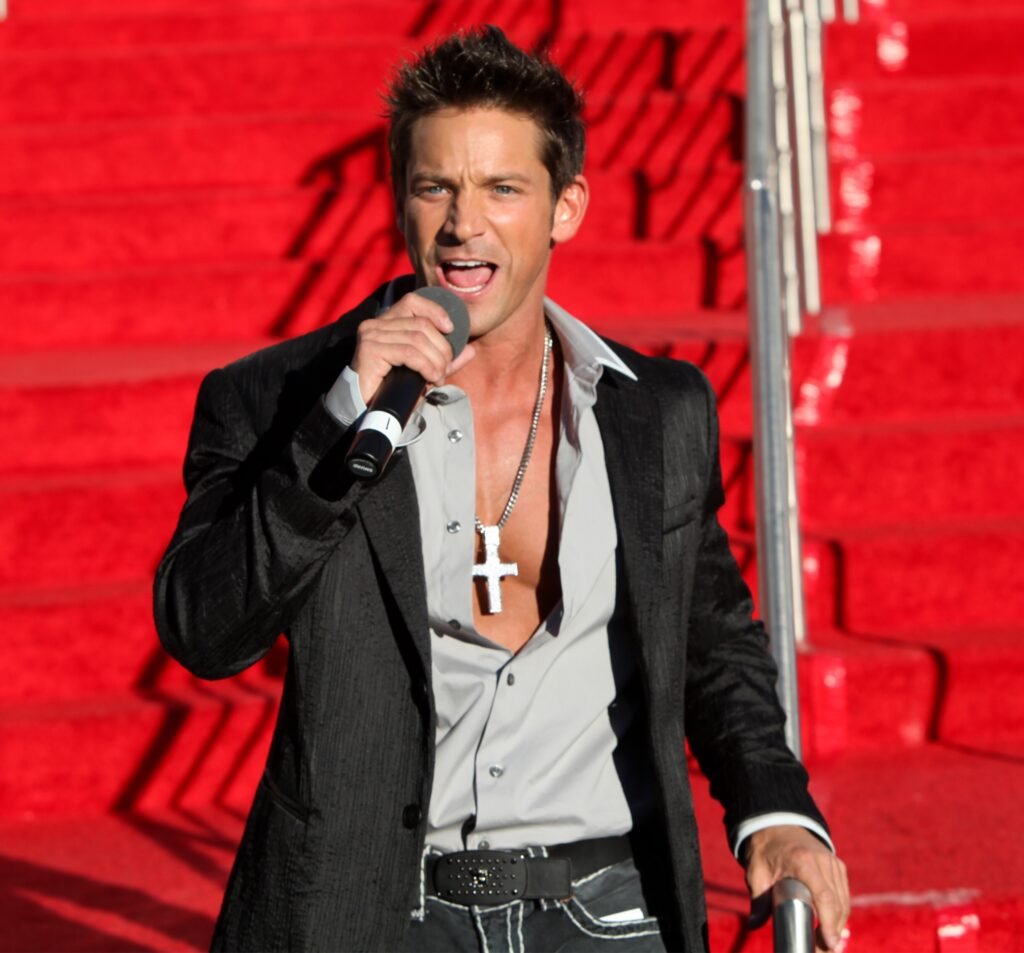
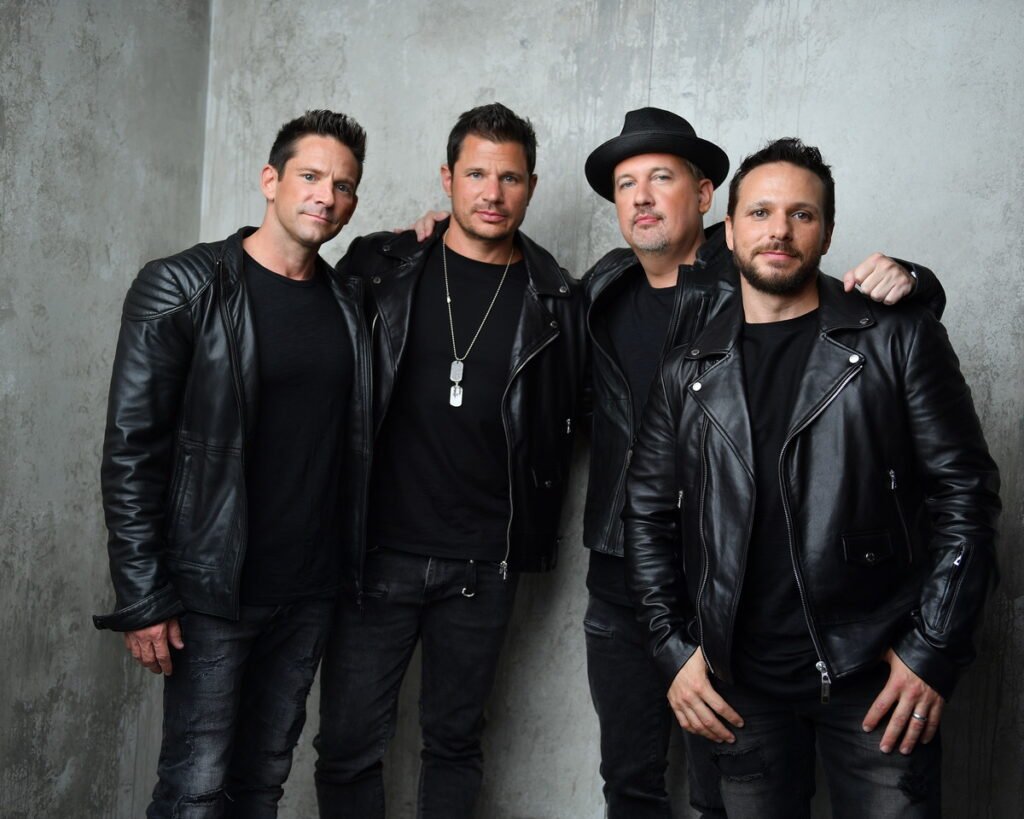
Jeff Timmons, a founding member of the Grammy-nominated group 98 Degrees, grew up in a small Ohio town singing along to Boyz II Men. He went from performing acappella at a Kent State University party to pursuing a record deal in Los Angeles, where he rebuilt the group after his original bandmates quit. 98 Degrees went on to sell more than 15 million albums and score four Top 5 radio singles, with its albums earning gold or platinum status in more than 60 countries. The group’s 2025 album, Full Circle, reached No. 1 on the iTunes album sales chart.
Timmons launched his solo career by touring with Jim Brickman, then wrote and produced his debut album, which yielded a Top 20 single on the Billboard and Radio & Records charts. He has performed twice at the White House and moved into television production with projects including E!’s Men of the Strip and Discovery Science’s Droned.
In an interview with South Asian Herald at the Mindset Summit in Las Vegas, Timmons discussed the setbacks that shaped 98 Degrees, how his solo career gave him the confidence to experiment when he returned to the group, and his television work with Ignite Media.
He also spoke about how social media has changed the way artists reach listeners and what he took away from his travels to India and Sri Lanka.
Advertisement
What drew you to this year’s Mindset Summit, and how did engaging with entrepreneurs and business leaders connect with your own experiences in entertainment?
This is the fourth or fifth event I’ve had the opportunity to do with Sam and Pavan. I met them a couple of years ago. I actually ran into Sam at an airport. A fan asked me to take a picture with her, and Sam said, “Hey, wait a second. Are you in 98 Degrees?” I said, “Yeah.” Then he asked if I’d ever considered speaking at events or doing motivational talks.
I told him I already do a lot of that. I speak at schools, colleges, and gatherings with entrepreneurs about my journey in the music business. People sometimes wonder why a singer would get up and give a talk, but we’re salespeople, too. We have to market ourselves and evolve with our business. I didn’t get a chance to speak today, but I happened to be in town and off tour for a couple of weeks, so I was glad I could make it. I always enjoy meeting people at these events.
Looking back on the summit, what lesson from your successes and setbacks did you did you most want guests to take away, and how are you applying those lessons to the next chapter of your career?
I think it comes down to believing in yourself. You need that in my industry, and in any other industry. People around you will doubt what you can do, and sometimes you’ll doubt yourself. Someone once told me the odds of being in a group like ours were something like one in 11 million. It sounded like a crazy number, but we believed in ourselves. Things lined up for us, and a lot of hard work and faith went into it.
One thing I do is write down my goals. I make a plan for the year, and then I write down my goals for each day. When I look at what I’ve written, I start to see the steps I can take to get where I want to go. Whatever career you’re in, there will be setbacks. You have to believe in yourself enough to get up each day and find a way to take another step toward your goals.
And what inspired you to form 98 degrees? And which early challenges most shaped your approach to teamwork, pursuance, and business of music?
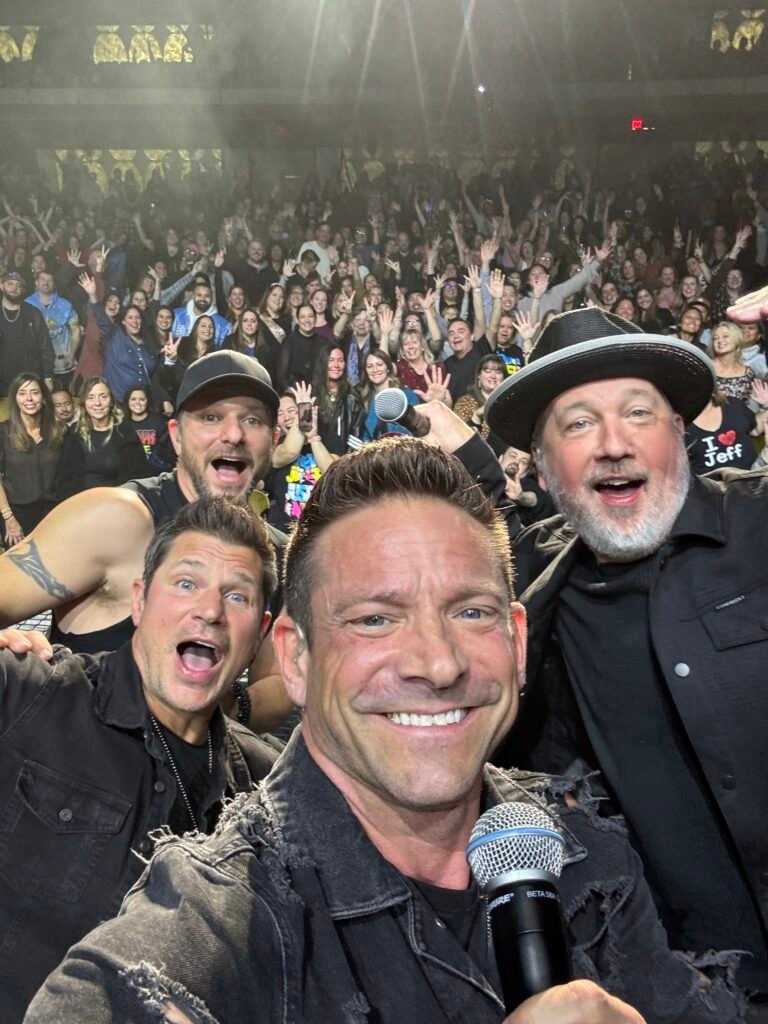
I come from a small football town in Ohio. The arts were encouraged, but few people pursued them. Growing up, it felt like success meant playing football in college or going pro. I played football, but I was also drawn to the arts. The first time I heard Boyz II Men on the radio, I fell in love with the group and started learning their songs. There was no TikTok or social media then. You discovered new artists on the radio or MTV. One night at a party at Kent State, some friends and I sang acappella, and I knew I wanted to pursue it.
I went to Los Angeles and ran into setbacks early on. The guys I started the group with quit just before we were about to sign our first record deal with James Brown. I’d gotten so close to signing, and suddenly I was in L.A. by myself. I decided to start over. Eventually, I got put in touch with the right people and met Nick. I encouraged him to join, then his brother joined, and then their classmate joined. We ended up sneaking backstage at a Boyz II Men concert, just as they had done to get discovered. That’s where we got discovered, too.
With 98 Degrees selling more than 15 million albums and achieving gold or platinum status in over 60 countries, what does that international success mean to you, and what do you believe helped your music connect across cultures?
When I hear those numbers, they still sound staggering. I had big dreams and a clear vision for the group, but I never imagined we’d sell that many records, go gold or platinum in more than 60 countries, and get to travel the world. Believing in myself and being excited about what I was doing took me further than I’d imagined. It felt like God had a path for me that went beyond anything I’d planned. Traveling taught me a lot about life and gave me the chance to learn about different cultures.
Where have you traveled in South Asia, and what stayed with you from those visits and learning from different cultures?
I just got back from Sri Lanka, and I’ve also been to India. I’ve traveled all over the world, and I think there’s something to learn from every culture, especially from the way people treat each other. I was just telling some people that India is one of my favorite places that I’ve visited. The way people treated each other felt genuine.
One day, I was out walking with a wealthy man who stopped to talk with someone on the street who was struggling. They talked about life with such mutual respect, and that stayed with me. Experiences like that have taught me things I wouldn’t have learned in a business setting. They remind me how short life is and how much there is to appreciate in each moment.
About your transition into a solo career. What did that experience teach you about your identity as an artist, and how did it influence your work with the group?
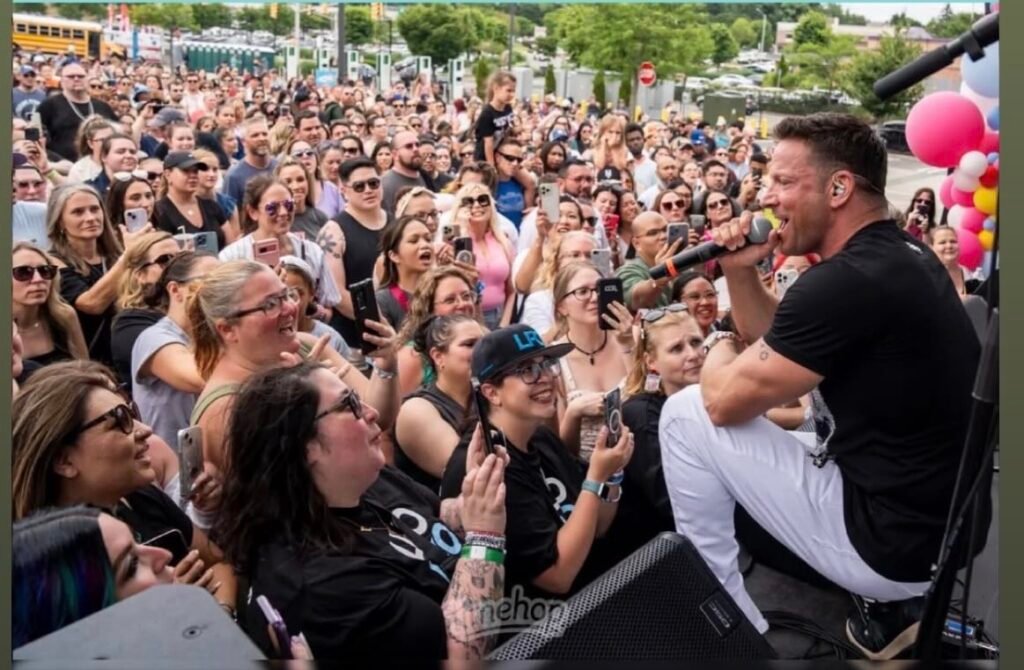
Going solo was a great experience. The group never officially broke up. Our last performance before we went our separate ways was on September 10, 2001, at a big tribute to Michael Jackson with several other well-known groups. The next day was 9/11, and nobody knew what was going to happen. We’d been on the road for a long time, so we went in different directions. When we hadn’t gotten back together after a while, I decided to try a solo career.
I quickly realized how much I liked having those three guys onstage with me. I admired all kinds of artists, but I hadn’t figured out what my own sound was. I was used to singing a few lines here and there and then blending into the harmonies of a quartet. On my own, I had to become more self-sufficient. I had to step up and push past the limits I’d set for myself. Once you get outside your comfort zone, you start testing yourself and trying things you might have avoided before. I felt like the universe rewarded me for taking that leap of faith.
I brought some of that back to the group. We’d gotten comfortable doing things a certain way, so I started saying, “Let’s experiment a little more with our music.” I felt our fans would stay with us as long as we didn’t stray too far from the sound they knew. We had room to try new things and take a few chances.
You have expanded into television production and event production, including Ignite Media. What motivated that move, and which lessons from music proved most useful in building those ventures?
I didn’t think we’d be around for five years, let alone 30, so I’m grateful we’re still here. Over time, I started asking myself what else I could learn about the business. Being an artist has been rewarding, and I also saw opportunities to produce projects and give other people a chance to do their work. I wanted to start my own production company so I could have more say in the projects I brought to the table and the decisions that shaped them.

Through Ignite Media, I’ve been able to produce unscripted television, work with other artists, and produce a documentary. We also have some films on the slate. It’s given me a chance to work on projects I never imagined I’d be involved in.
How do you balance the music longtime fans associate with 98 Degrees with your desire to experiment and connect with new audiences?
What I love about the industry right now is that it feels like the Wild West. There are so many ways to reach people, and that gives you more room to be creative. We used to rely on television and radio to reach fans. Now, with TikTok, Snapchat, Instagram, Facebook, and YouTube, you can put your work out yourself and reach people who might never have found you through those traditional channels.
I can’t wait to see what comes next. It’s an exciting time for up-and-coming artists and creators. They can reach an audience directly, and they get to figure out what they want to create and what connects with people.
(This interview has been edited for length, brevity and clarity)