At a time when South Asia is navigating geopolitical uncertainty, economic transformation, and intensifying regional competition, the relationship between India and Nepal carries significance far beyond their shared border. Bound by geography, history, culture, religion, trade, and generations of people-to-people connections, the two countries have a unique relationship that directly affects the stability and prosperity of the Himalayan region.
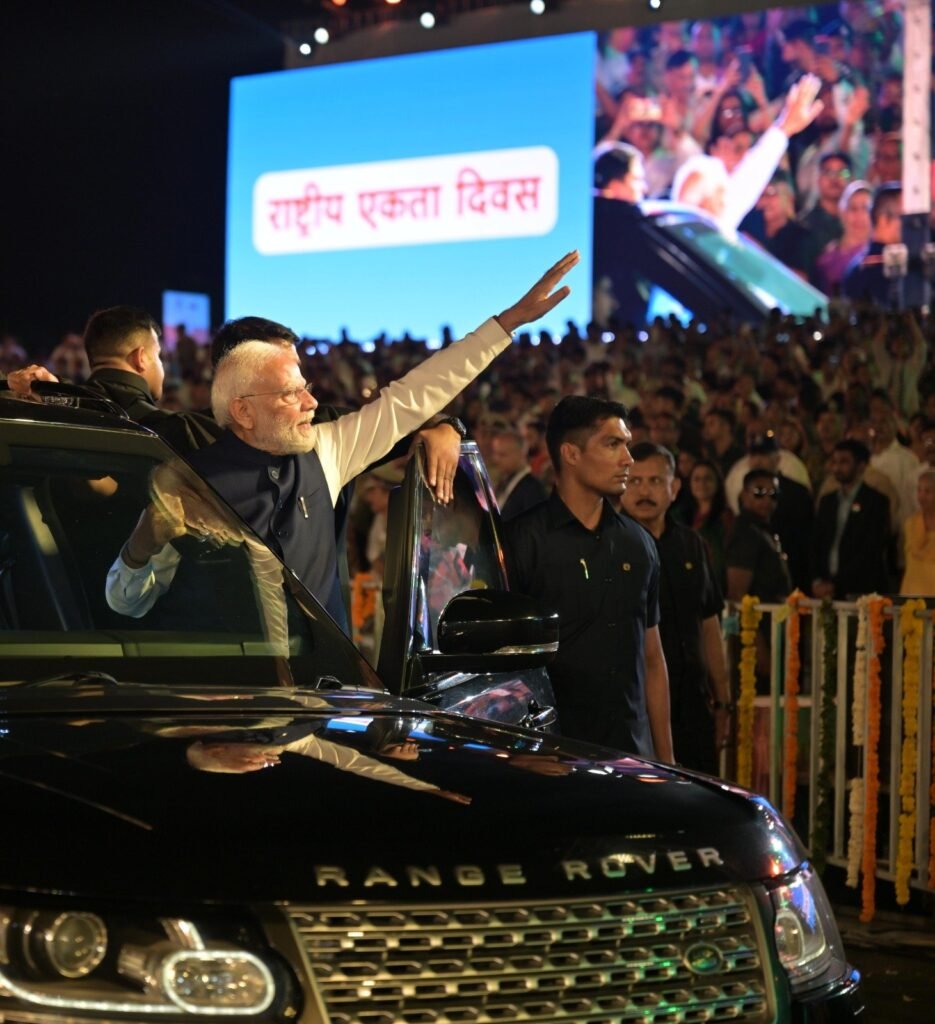
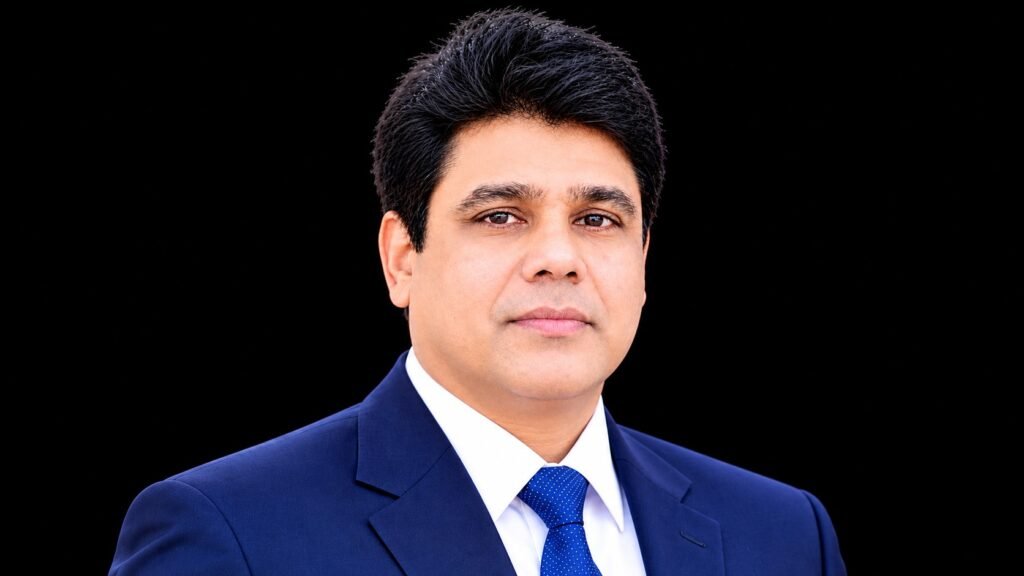
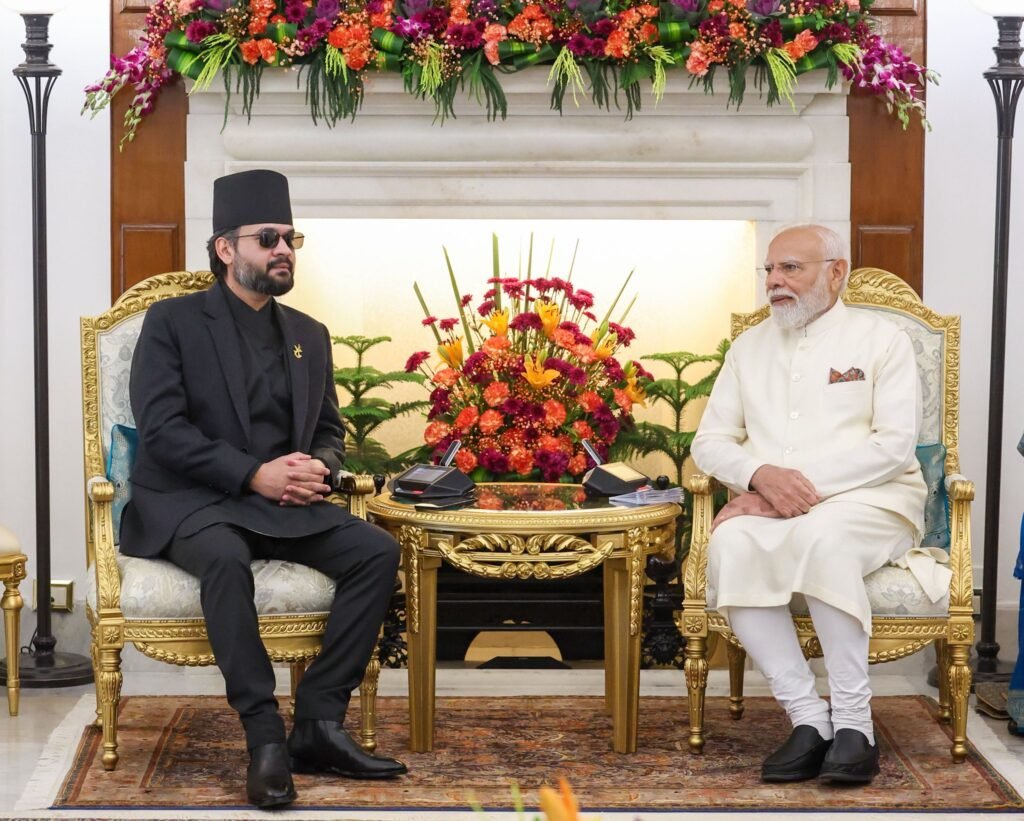
Nepal Prime Minister Balendra Shah’s November 22–23 state visit to India has opened an important chapter in this relationship. His first bilateral visit to India since assuming office brought a renewed focus on development cooperation, infrastructure, energy security, trade, education, technology, and regional connectivity.
During his meetings with Indian Prime Minister Narendra Modi in New Delhi, the two leaders outlined an ambitious agenda to strengthen bilateral ties. A major development assistance package, eight memorandums of understanding (MoUs), new railway and road connectivity initiatives, hydropower projects, petroleum infrastructure, and a shared development vision emerged as key outcomes.
The visit was not simply another diplomatic engagement between neighboring countries. It reflected a broader recognition that India and Nepal have an opportunity to transform their historic friendship into a forward-looking strategic partnership—one that delivers practical benefits to citizens, businesses, and communities on both sides of the border.
Advertisement
A New Political Moment for an Enduring Relationship
Prime Minister Shah’s visit comes at a significant moment in Nepal’s political and economic journey. His government faces public expectations for better governance, employment opportunities, infrastructure development, economic growth, and improved public services.
For India, engaging with Nepal’s new leadership is an important part of its neighborhood policy. Nepal occupies a strategically important position in the Himalayas and shares an open border with India. Its political stability, economic progress, and regional partnerships have implications for the wider South Asian landscape.
Yet the relationship should not be defined exclusively by geopolitics or competition among regional powers. Nepal is a sovereign nation with its own national priorities and foreign policy interests. A successful partnership must respect Nepal’s independence and be built on mutual confidence, equality, and shared economic opportunity.
The central question is how both countries can use their geographic proximity and economic complementarity to create a more connected, resilient, and prosperous Himalayan region.
The November visit has provided a new political opportunity to pursue that objective.
A $1.62 Billion Development Partnership
One of the most significant announcements was India’s development assistance package worth INR 15,000 crore, equivalent to NPR 24,000 crore, or approximately $1.62 billion.
According to the joint statement, the package comprises INR 3,500 crore in grant assistance for post-disaster reconstruction and new infrastructure projects, along with an INR 11,500 crore rupee-denominated line of credit for energy-sector projects. Specific projects and implementation arrangements will be finalized through consultations between the two governments.
The assistance follows the devastating Rasuwa-Bhotekoshi floods in Nepal, which caused significant loss of life and extensive damage to homes, infrastructure, and communities. Shah acknowledged India’s humanitarian and technical support in the aftermath of the disaster.
The package represents an important commitment to Nepal’s reconstruction and long-term development. Its impact, however, will depend on timely implementation, transparent project management, and the effective use of resources in areas where communities need support most.
The leaders also welcomed progress on the National Police Academy being constructed with Indian assistance and the establishment of an agro-industrial park in Chitwan with grant support from India.
These initiatives demonstrate that development cooperation is expanding beyond traditional infrastructure into agriculture, institutional capacity, and employment generation.
A Shared Vision for a Changing South Asia
A major strategic outcome of the visit was the adoption of the Joint Vision for a “Viksit Bharat and Samunnat Nepal.”
The framework seeks to expand cooperation in economic development, infrastructure, connectivity, energy, water resources, climate resilience, disaster management, sports, startups, digital services, space, and innovation.
The significance of this vision lies in its future-oriented approach. India and Nepal are looking beyond traditional diplomatic engagement toward cooperation that can support economic modernization and regional integration.
India’s large market, technology ecosystem, educational institutions, industrial capabilities, and infrastructure networks can offer Nepal new opportunities. Nepal, in turn, can contribute to regional energy security, tourism, trade, and connectivity.
For this vision to succeed, both governments will need to translate political commitments into practical projects with clear timelines, transparent procedures, and measurable results.
A prosperous Nepal and a stable Himalayan neighborhood are in India’s long-term strategic and economic interests.
Connectivity: Linking People, Markets, and Opportunities
Geography has shaped India-Nepal relations for centuries. The open border facilitates travel, trade, employment, education, and family connections. Yet infrastructure gaps and logistical barriers continue to restrict the full potential of bilateral commerce.
The inauguration of the Sarayu-Kamala Express rail service connecting Ayodhya and Janakpur was among the most visible outcomes of the visit. The service is expected to improve cross-border travel and encourage religious and cultural tourism along the Ramayana Circuit.
The two leaders also announced the finalization of the field location survey for the proposed Raxaul-Kathmandu electrified broad-gauge railway line. They agreed to collaborate on the development of Nepal’s East-West Railway.
A new motorable bridge connecting Dharchula in India with Darchula in Nepal was also inaugurated. The leaders virtually laid the foundation stone for a new Integrated Check Post at Banbasa and welcomed progress on other border infrastructure projects.
These initiatives have significance beyond transportation. Better roads, railways, bridges, and border facilities can reduce logistics costs, improve access to markets, strengthen local businesses, and connect remote communities with wider economic opportunities.
For Nepal, improved connectivity can help diversify trade routes and strengthen access to regional and international markets. For India, it can deepen economic integration with a close neighbor and support broader regional connectivity.
Energy Security: Nepal’s Hydropower Potential and India’s Growing Demand
Energy cooperation is emerging as one of the strongest pillars of the India-Nepal relationship.
Nepal has substantial hydropower potential, while India has a large and growing demand for electricity. Stronger cooperation can benefit both countries through investment, electricity trade, transmission infrastructure, and regional energy integration.
During the visit, the two leaders laid the foundation stone for the 669-megawatt Lower Arun Hydroelectric Project. They also welcomed progress toward joint ventures for two high-capacity cross-border transmission lines connecting Inaruwa in Nepal with New Purnea in India, and Dododhara in Nepal with Bareilly in India.
The leaders called for the expeditious completion of the detailed project report for the Pancheshwar Multipurpose Project. They also emphasized the need to accelerate work on the Saptakoshi and Sunkoshi multipurpose projects.
These initiatives have the potential to support electricity generation, irrigation, water management, and flood mitigation.
For Nepal, hydropower can become a major source of revenue, investment, and employment. For India, access to reliable clean electricity can support its energy transition and strengthen regional energy security.
The broader opportunity is to develop a more integrated regional electricity market in which Nepal’s energy resources contribute to the economic growth of both countries.
Petroleum Infrastructure and New Trade Routes
The two governments also advanced cooperation in petroleum infrastructure.
Phase II of the Motihari-Amlekhgunj petroleum pipeline was dedicated to the people of Nepal. The leaders virtually laid the foundation stone for a petroleum terminal in Jhapa and emphasized the importance of starting work on the Siliguri-Jhapa pipeline at the earliest opportunity.
India also announced a new transit route for Nepal’s trade through Deendayal Port at Kandla in Gujarat. Access to Paradip Port in Odisha will be made available once the required infrastructure is in place.
For a landlocked country, dependable access to international markets is essential. Additional port options and improved logistics can diversify Nepal’s trade routes, strengthen supply chains, and reduce dependence on limited transit corridors.
The expansion of petroleum infrastructure also illustrates how cross-border cooperation can improve energy access and economic efficiency.
Aviation and Digital Connectivity
The two countries agreed to make the existing unidirectional B345 Kathmandu-Bhairahawa-Lucknow air route bidirectional, with technical consultations to finalize the arrangements.
The decision is expected to support travel, tourism, and commercial engagement. Both governments also agreed to continue discussions on other civil aviation proposals.
Beyond physical infrastructure, the leaders recognized the importance of technology, startups, digital services, and financial connectivity.
They acknowledged the need to facilitate smoother access to banking and telecommunications services for citizens of one country residing in the other.
In a rapidly changing global economy, connectivity must extend beyond roads, railways, and airports. Digital payments, reliable communications, accessible financial services, and technology partnerships can make cross-border business and everyday transactions easier.
Education, Health Care, and Traditional Medicine
The visit also placed emphasis on education, institutional cooperation, and human development.
The two countries exchanged eight MoUs covering forensic science, police training, civil service capacity building, Ayurveda and traditional medicine, satellite communications, sustainable urban development, health and medicine, and livestock and fisheries development.
An important announcement was India’s decision to establish an offshore Indian Institute of Technology campus in Nepal. If implemented effectively, the initiative could strengthen technical education, research, professional skills, and employment opportunities.
The agreement on Ayurveda and other traditional systems of medicine offers another important area of cooperation. India and Nepal share a rich heritage of traditional knowledge and healing practices. Joint research, education, training, and institutional collaboration could help connect this heritage with modern healthcare priorities.
The health and medicine agreement also creates opportunities for cooperation in medical education, professional training, research, and healthcare services.
The agreement involving the Indian Space Research Organisation and Nepal’s Ministry of Information and Communication on establishing a satellite communications network for the utilization of the South Asia Satellite reflects the growing importance of technology in regional development.
Together, these initiatives demonstrate that the India-Nepal partnership is expanding into knowledge-based sectors that will shape the region’s future.
Civilizational Ties: A Foundation for People-to-People Diplomacy
India and Nepal share a civilizational relationship that predates modern diplomatic institutions. Hindu and Buddhist traditions, pilgrimage routes, languages, literature, festivals, and family connections have shaped their relationship over centuries.
Janakpur and Ayodhya hold a special place in the Ramayana tradition. Lumbini, the birthplace of Gautama Buddha, has global significance for Buddhist communities. Pashupatinath in Kathmandu remains one of the most revered Hindu pilgrimage destinations.
The Ayodhya-Jan akpur rail connection gives this shared heritage a practical dimension by improving access for pilgrims and tourists.
The two leaders also agreed to explore similar connections to develop Buddhist and Shiv-Shakti religious tourism circuits.
Such initiatives can support local economies, including hotels, transport services, small businesses, artisans, and tourism operators. They can also deepen cultural understanding among younger generations.
Religious and cultural diplomacy should therefore be seen not only as a symbol of shared history but also as a source of economic opportunity and stronger social connections.
Managing Differences Through Dialogue
Despite the positive outcomes, India and Nepal continue to face sensitive issues that require sustained diplomatic attention.
Boundary-related differences, including the Kalapani-Lipulekh-Limpiyadhura issue, remain important subjects in the bilateral relationship. The two leaders welcomed progress in joint fieldwork concerning the maintenance and repair of boundary pillars and directed their foreign secretaries to work on outstanding boundary issues.
The 1950 Treaty of Peace and Friendship, trade procedures, transit arrangements, and the implementation of major water and energy projects also require continued engagement.
These matters should be addressed through constructive dialogue, transparency, and mutual respect. Neither side benefits when unresolved questions undermine the wider relationship.
A mature partnership is not one without disagreements. It is one in which differences can be managed through diplomacy while cooperation continues to advance.
For India, respecting Nepal’s sovereignty and legitimate concerns is essential to building lasting trust. For Nepal, a stable and constructive relationship with India remains important for trade, transit, infrastructure, energy, and economic development.
From Diplomatic Commitments to Practical Results
At the conclusion of the visit, Prime Minister Shah formally invited Prime Minister Modi to visit Nepal. Modi accepted the invitation, with the official dates to be confirmed through diplomatic channels.
The invitation reflects the importance both governments attach to regular high-level engagement. But the real measure of the visit will be the progress achieved after the diplomatic meetings conclude.
Will infrastructure projects be completed on schedule? Will hydropower cooperation generate reliable economic returns? Will cross-border trade become more efficient? Will students gain better access to education and research? Will businesses find new opportunities in both markets?
These are the questions that will determine the lasting impact of the agreements.
India and Nepal have the historical foundation, geographic advantage, and economic complementarity to build one of South Asia’s most productive bilateral partnerships.
For India, Nepal is more than a neighboring country. It is an important partner in the Himalayan region and a central part of India’s vision for a peaceful, connected, and prosperous neighborhood.
For Nepal, a constructive partnership with India can support reconstruction, infrastructure development, energy exports, education, investment, and access to regional and global markets—while preserving its independent national identity and foreign policy choices.
The November 2026 visit has created an opportunity to move beyond the language of historic friendship and build a strategic partnership grounded in economic opportunity, mutual respect, and shared regional responsibilities.
Disclaimer: The opinions and views expressed in this article/column are those of the author(s) and do not necessarily reflect the views or positions of South Asian Herald.