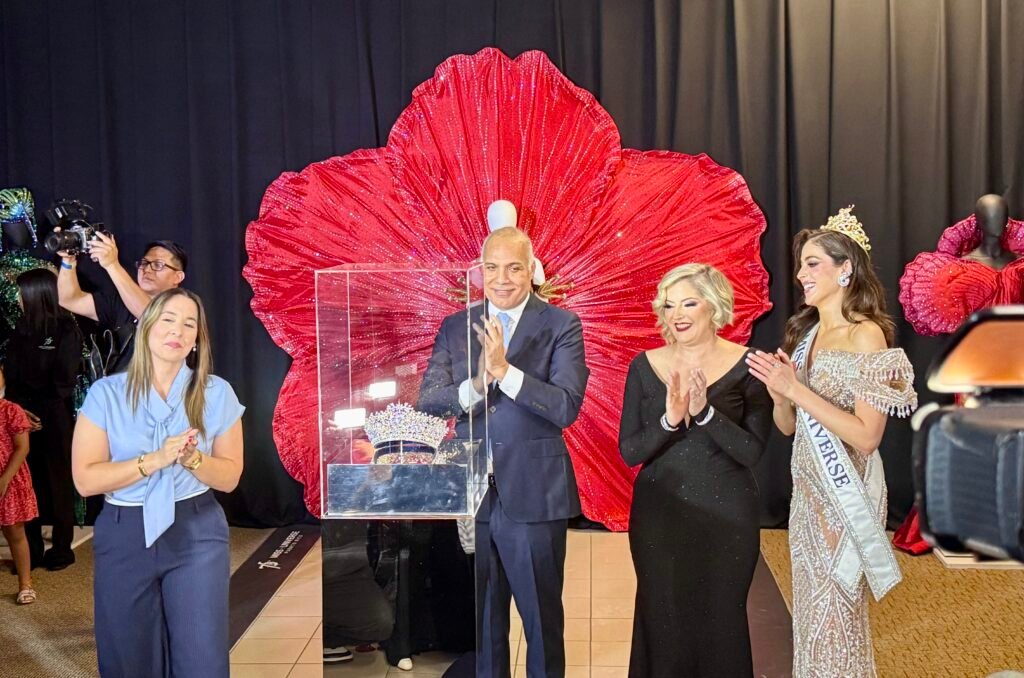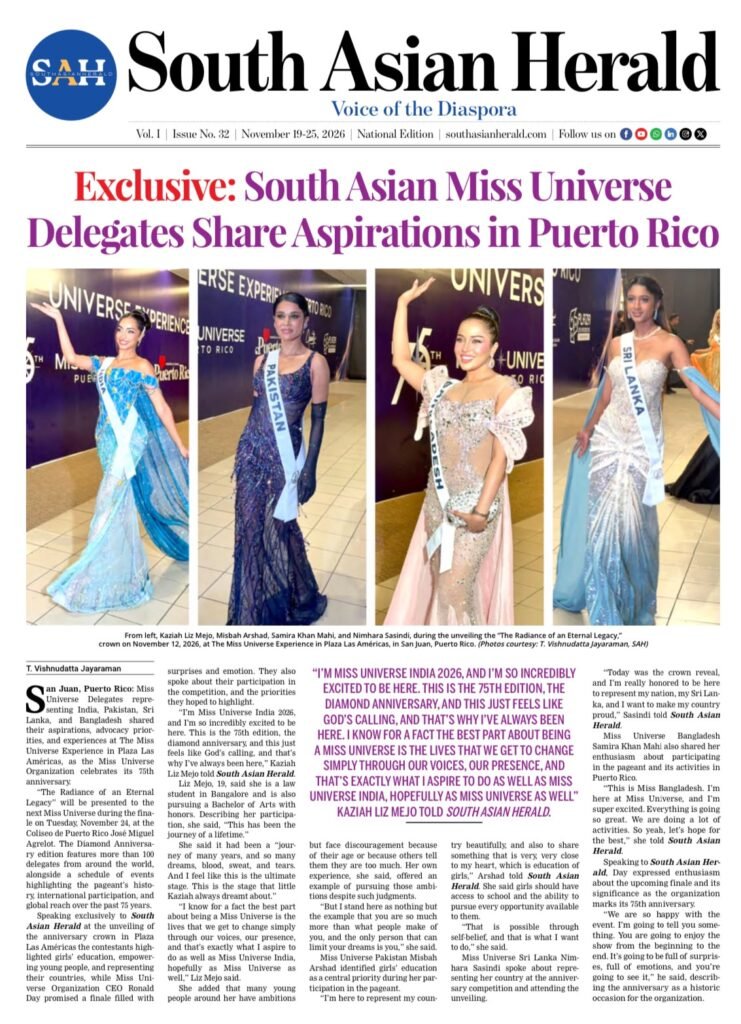
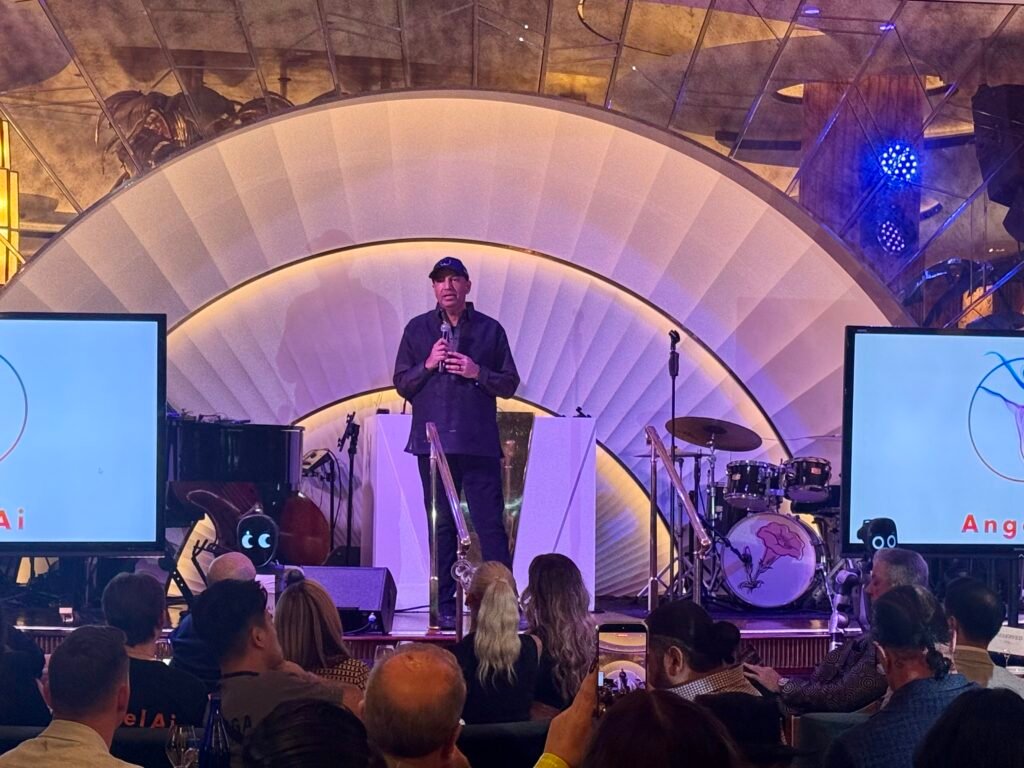
Las Vegas, Nevada: Multi-platinum recording artists, business founders and real estate executives gathered November 19 at Delilah at Wynn Las Vegas for the Mindset Summit, where discussions ranged from AI-powered mortgage lending and business data licensing to the early days of online travel.
Comedian Russell Peters also spoke about the influences and early bookings that shaped his 37-year career.
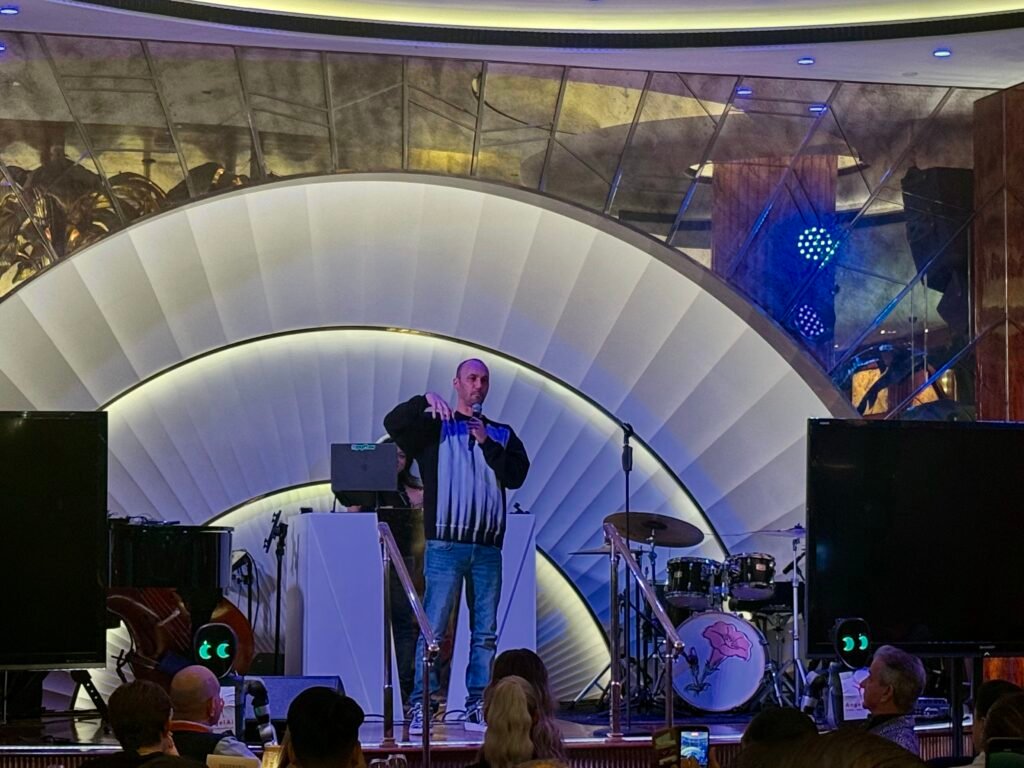
The prospect of using artificial intelligence to make and carry out financial decisions was a central theme. Pavan Agarwal, founder and CEO of Celligence and creator of AngelAi, outlined how he sees AI agents handling payments and lenders using automation to shorten mortgage closings. Expedia co-founder Dhiren Fonseca offered an example from an earlier technological shift, recalling how a team at Microsoft turned a planned travel CD-ROM into an online booking business.
Mindset Summit founder Sam Chauhan said the series had been running for about 14 years. In its early days, he recalled, he spent eight hours onstage without another speaker. He joked that the format reflected “the young Sam with the big ego” and said he eventually realized how much other people could bring to the program.
Advertisement

Chauhan urged attendees to share what they learned with people outside the room. He pointed to the 2007 and 2008 financial crisis as a period when some investors saw opportunities amid the turmoil, using the example to make a broader point about how entrepreneurs respond to setbacks. He also thanked Agarwal and John Bushman for their support of the summit.
Agarwal outlines a role for AI in mortgage lending
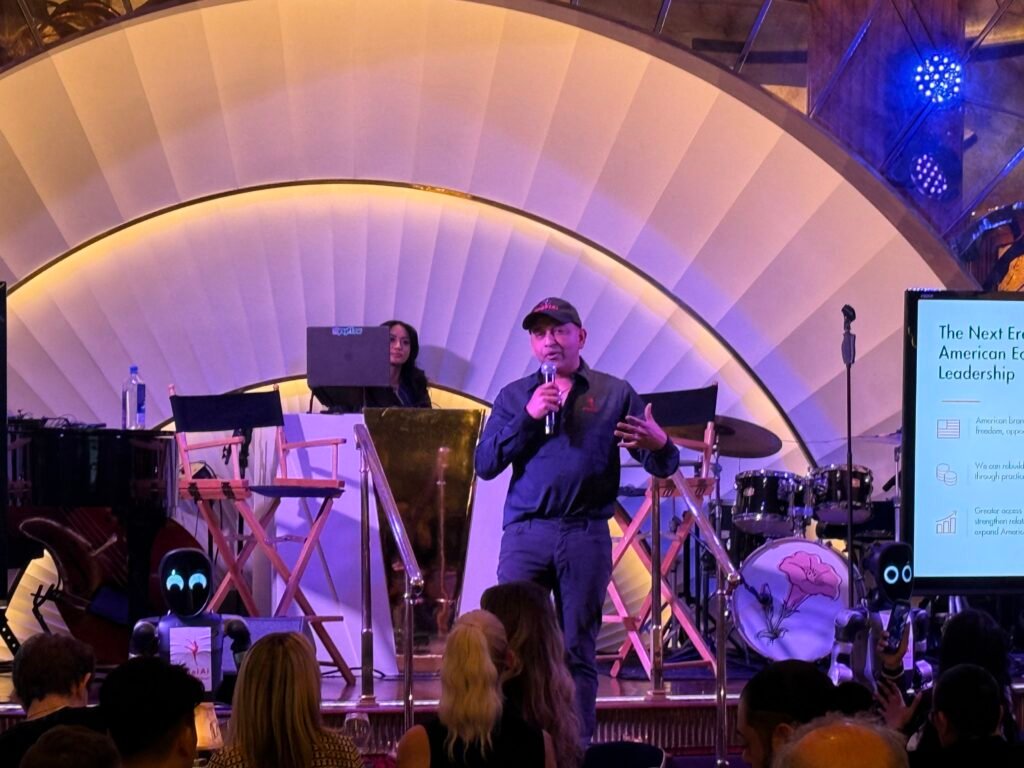
Agarwal framed his presentation around the scale of global debt and the prospect of American technology playing a larger role in how credit moves across borders. He described a system in which digital wallets, stablecoins and automated underwriting could help lenders extend credit to borrowers around the world.
He grouped finance, defense and health care under what he called the “3M’s,” or “money, military, and medicine.” In those areas, he argued, even a small error rate can have serious consequences. In lending, he said, a mistake could mean sending money to the wrong recipient or approving a mortgage for the wrong person.
“2027 is your AI agents talking to other AI agents,” Agarwal said. “And if your AI agents are going to transact for you, they cannot make a mistake.”
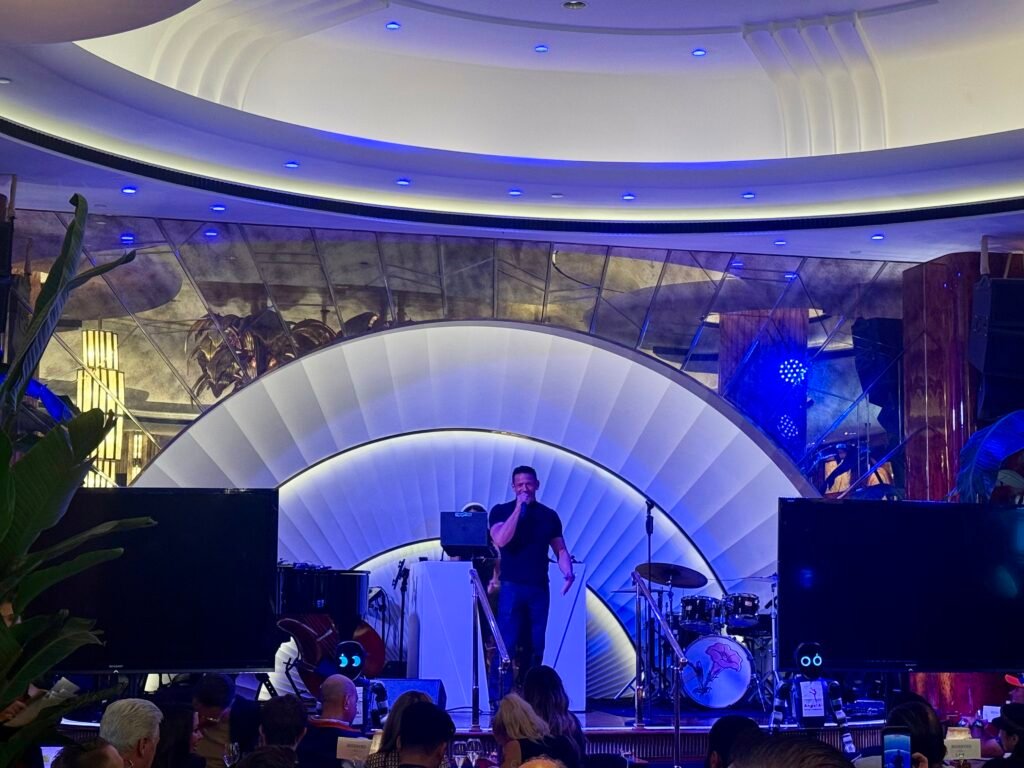
Agarwal said his company’s AI agents were already carrying out transactions on customers’ behalf. He also argued that automated underwriting could expand access to home loans, saying that some borrowers who should have qualified in 2025 were denied. He singled out Hispanic applicants as a group affected by those decisions and linked wider access to homeownership to potential gains for real estate businesses and greater stability for communities.
For lenders and real estate professionals in the audience, Agarwal described how he envisioned a mortgage closing taking as little as an hour. He identified three steps that would have to happen quickly for that to work. The lender would have to approve the loan, the title company would have to produce a title report, and the property would have to be appraised. His presentation described using Fidelity for title reports and drones to appraise properties without an in-person visit from an appraiser.
A proposal to license business data
Pramit Mallik, co-founder of Mode AI, presented another business opportunity tied to artificial intelligence. He said Mode was partnering with Angel Gold to acquire anonymized operational data from companies through licensing agreements.
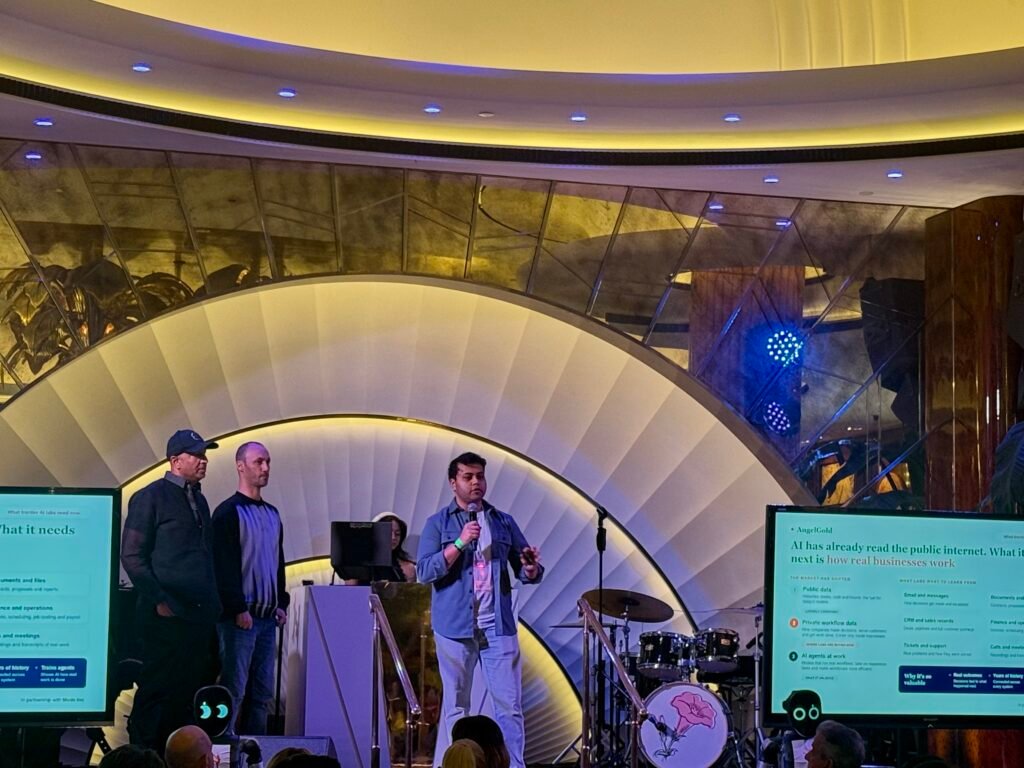
Mallik estimated that a business with 20 to 30 employees could earn between $200,000 and $300,000 by licensing its data. Companies with more than 100 employees could receive between $500,000 and more than $1 million, he said. He also described a referral arrangement with a potential payout of $50,000 or 6 percent of a deal’s value. The figures were estimates Mallik presented for prospective deals.
Real estate coach Bill Pipes focused on how entrepreneurs can build a business around an area of expertise. He said his consulting business grew from two clients to 1,300 over three years. Pipes cited optimism, strategic thinking and establishing credibility in a niche as traits he had seen in successful entrepreneurs. He encouraged attendees to learn from one another and look for opportunities during difficult periods.
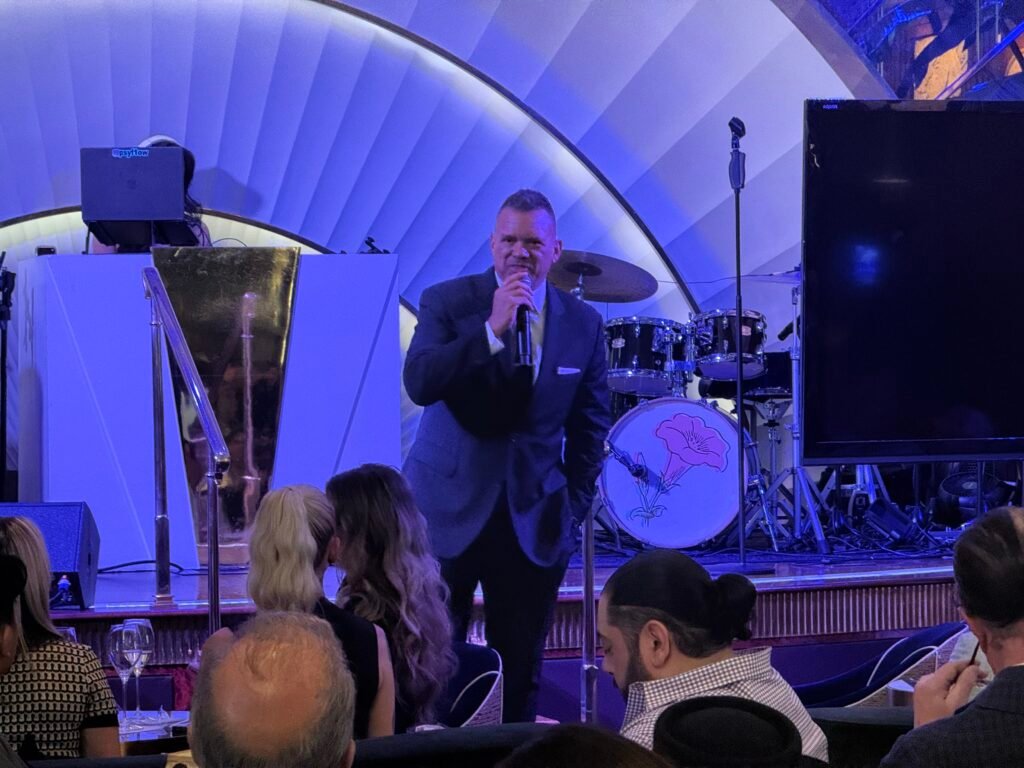
Gary Acosta, co-founder and CEO of the National Association of Hispanic Real Estate Professionals, discussed how growth in the Latino marketplace helped shape his work. He spoke about building the association over more than two decades and discussed the Hispanic Wealth Project’s effort to help Latino households build wealth through financial education and economic empowerment.
How a travel CD-ROM became Expedia

Fonseca took attendees back to Microsoft in the mid-1990s, when he and his colleagues began developing a CD-ROM that would let people explore destinations and plan vacations on their computers. Microsoft already produced a range of titles in the format. The team secured some funding and began assembling travel content.
Fonseca recalled how a memo from Microsoft co-founder Bill Gates about the growing importance of the internet prompted the team to rethink the project. The web opened up an option the original disc could not offer. Travelers could browse destinations and book flights, hotel rooms and rental cars in the same place.
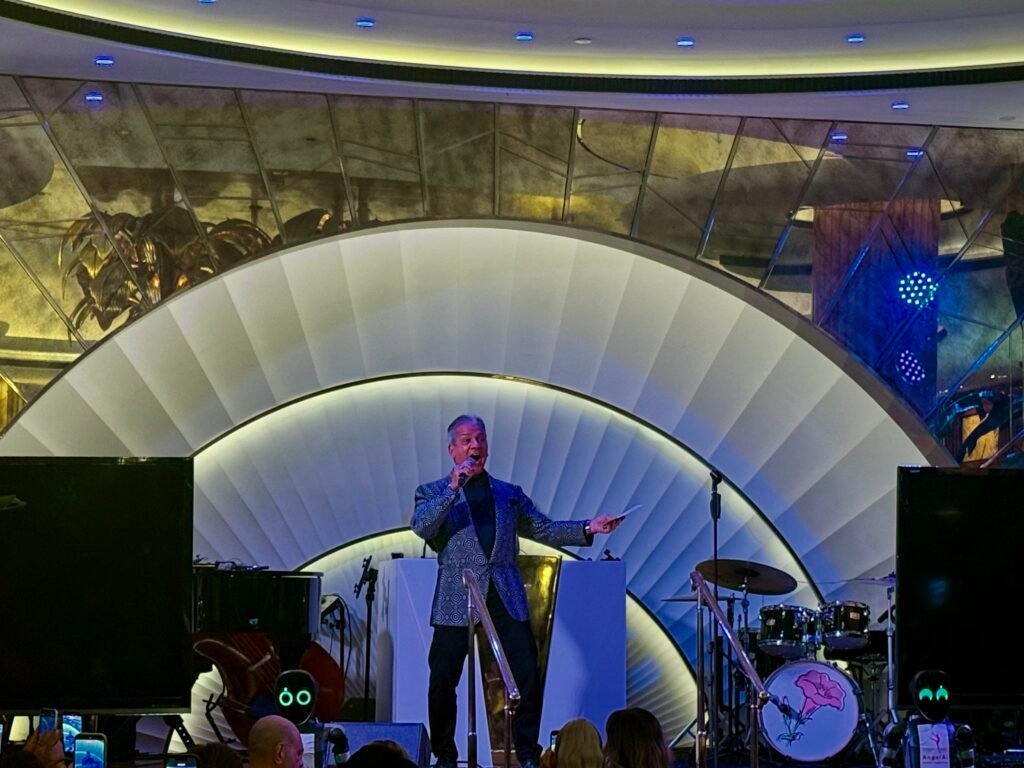
“We took all the content, put it onto HTML, and figured out how to connect to the airline system so that we could book tickets, cars, and hotels,” Fonseca said.
Expedia launched in October 1996 as part of Microsoft. Fonseca said the early challenge was persuading travel suppliers to let the service sell their inventory. Connecting to reservation systems was one part of building the business. The team also needed airlines and other suppliers to agree to make their inventory available through the new service.
Russell Peters recalls the road to stand-up

Peters traced his interest in wordplay to two influences from his teenage years, George Carlin and hip-hop. He said his father, an English major from India who enjoyed playing with language, introduced him to a way of listening to comedy that helped shape his own work.
“George Carlin was my idol in this business. My dad and I really bonded over watching George Carlin when I was a teenager,” Peters said.
Peters said he gravitated toward rappers who were good with wordplay for much the same reason. He recalled meeting Carlin in Toronto and later getting the chance to work with him. He also described what it took to make a living as a comedian before he could count on steady bookings.
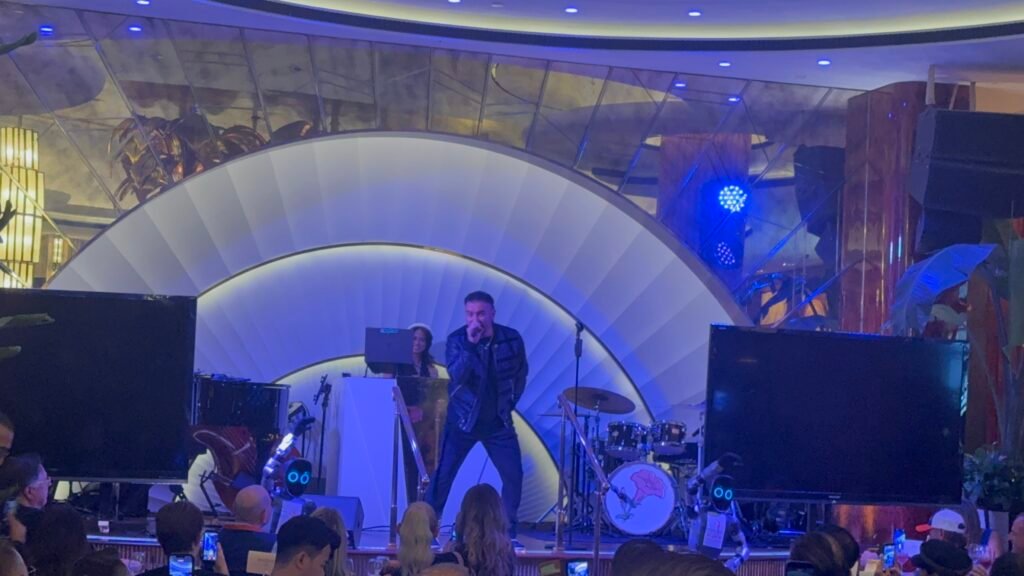
In the early 1990s, Peters said, he would accept gigs five hours north of where he lived for $50, soda and chicken wings. At the time, he recalled, the fee covered gas for the round trip, and the wings meant he got dinner out of the deal.
Peters also drew laughter with a story from a previous Las Vegas visit. He recalled having dinner with Lennox Lewis at Caesars Palace before the two met up with Mike Tyson at the MGM Grand.
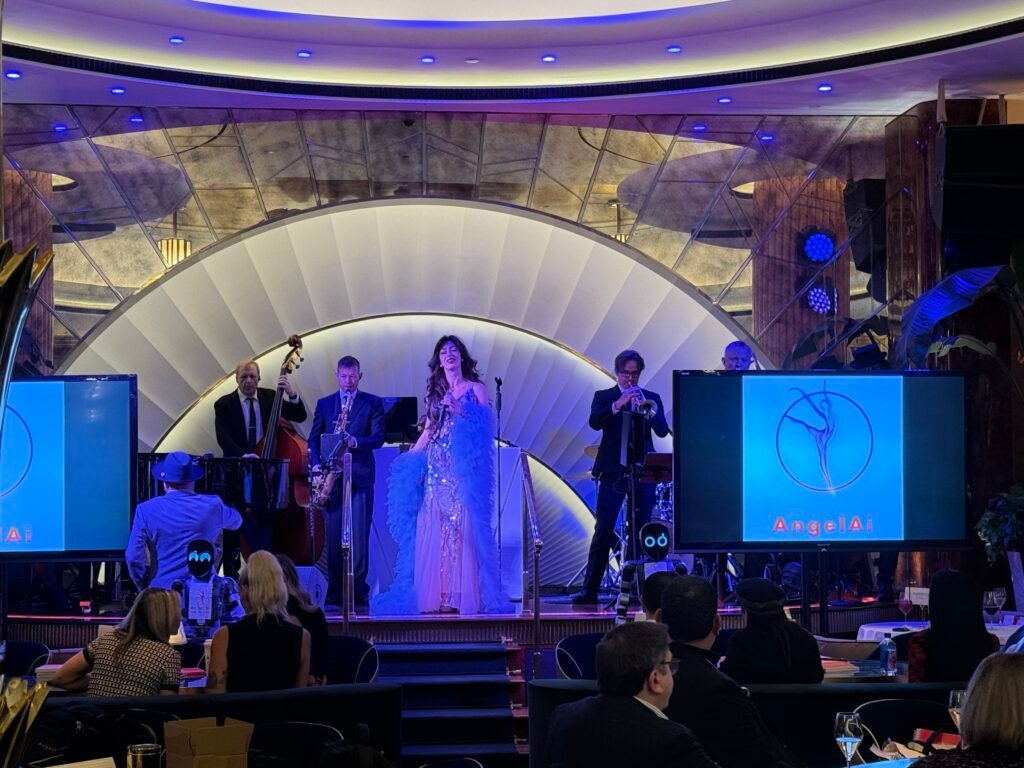
“So it was me, Lennox, and Mike Tyson at the MGM Grand, and I have photos to prove it,” he said. “But that was a pretty cool night for me because I’m friends with both of them. But I grew up with one of them, and one knocked out the other.”
Networking and music round out the program
Dan Fleyshman, founder of Elevator Studio, said he had worked with Chauhan and Agarwal for several years as the summit grew. He encouraged attendees to introduce themselves to the people sitting nearby, saying those conversations could lead to business deals, collaborations or fundraising for charities.

UFC announcer Bruce Buffer made a similar appeal in his own style urging guests to enjoy the food and company. “Network the hell out of that,” he told the audience.
The summit also brought together two performers from pop groups that rose to prominence in the 1990s. Jeff Timmons, a founding member of 98 Degrees, joined NSYNC founding member Chris Kirkpatrick to perform NSYNC’s “It’s Gonna Be Me.”
Other speakers included Century 21 Allstars founder and CEO Joe Villaescusa, Fidelity National Title Agency Assistant Vice President Dalene McLaughlin, motivational speaker Natasha Graziano, and attorney Manny Alicandro, founder of the Alicandro Law Firm.