 Join WhatsApp Channel

The 2026 U.S. midterm elections could become a defining moment for South Asian American political representation, with candidates contesting some of the country’s highest-profile races for governor, Congress and mayor. More than expanding representation, the elections will test whether South Asian candidates can win competitive statewide and swing-district contests that shape national politics.
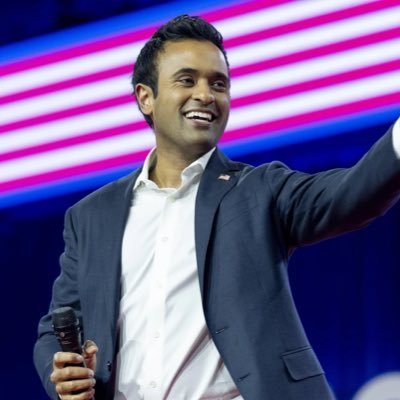
The marquee race is in Ohio, where Republican Vivek Ramaswamy faces Democrat Dr. Amy Acton in the gubernatorial election. Having won the Republican primary with more than 82% of the vote, Ramaswamy is seeking to become Ohio’s first Asian American governor and the first Hindu governor in U.S. history. His campaign has attracted national attention as Republicans seek to broaden their appeal among Asian American voters.
On the West Coast, Los Angeles City Council member Nithya Raman has emerged as one of the Democratic Party’s rising urban leaders. Raman will challenge incumbent Karen Bass in the November mayoral runoff after defeating conservative candidate Spencer Pratt for second place in the primary. The race has become a referendum on housing, homelessness, and city governance.
Control of the U.S. House could also hinge on South Asian candidates.
In Arizona’s highly competitive First Congressional District, Democrat Dr. Amish Shah defeated three rivals in the primary and now faces Republican Jay Feely, the former NFL kicker. The district is rated a toss-up, making Shah’s campaign one of the most closely watched congressional contests of the cycle.
In Florida, Pia Dandiya is contesting the Democratic primary for the open 22nd Congressional District, backed by strong fundraising and national Democratic support.
Several established Indian American lawmakers are also seeking another term in Congress, including Ami Bera, Ro Khanna, Pramila Jayapal, Shri Thanedar and Suhas Subramanyam, ensuring South Asians remain one of the largest Asian American groups on Capitol Hill.
Not all high-profile bids succeeded. Congressman Raja Krishnamoorthi lost the Democratic primary for the U.S. Senate in Illinois, while Bushra Amiwala, Tina Shah and Jay Vaingankar were defeated in congressional primaries. Early candidates Nida Allam, Lisa Kaul, and Vichal Kumar also failed to advance.
Taken together, the races illustrate a significant shift. South Asian candidates are no longer confined to safe districts or identity-based politics. They are contesting governor’s mansions, swing congressional seats and major-city leadership positions across both political parties.
The November 3 election will therefore measure more than electoral victories. It will determine whether South Asian Americans can translate decades of demographic growth, economic influence and political organization into leadership at the highest levels of American government.
Related posts:
 South Asian Voters Could Tip the Balance in America’s November Midterms
 Record 214 Candidates in Alberta By-Election Push Elections Canada to Use Write-In Ballot
 Alberta’s Battle River-Crowfoot Riding Poised to Set World Record
 Canada By-Elections Seen as Crucial Test for Mark Carney’s Liberal Minority Government
