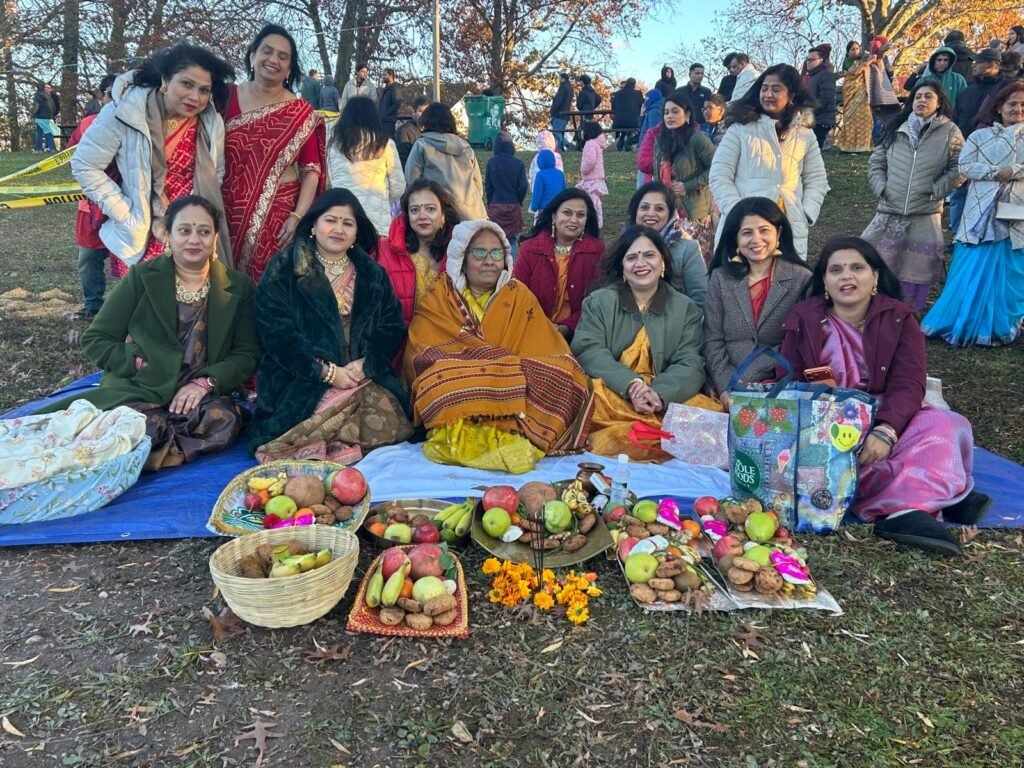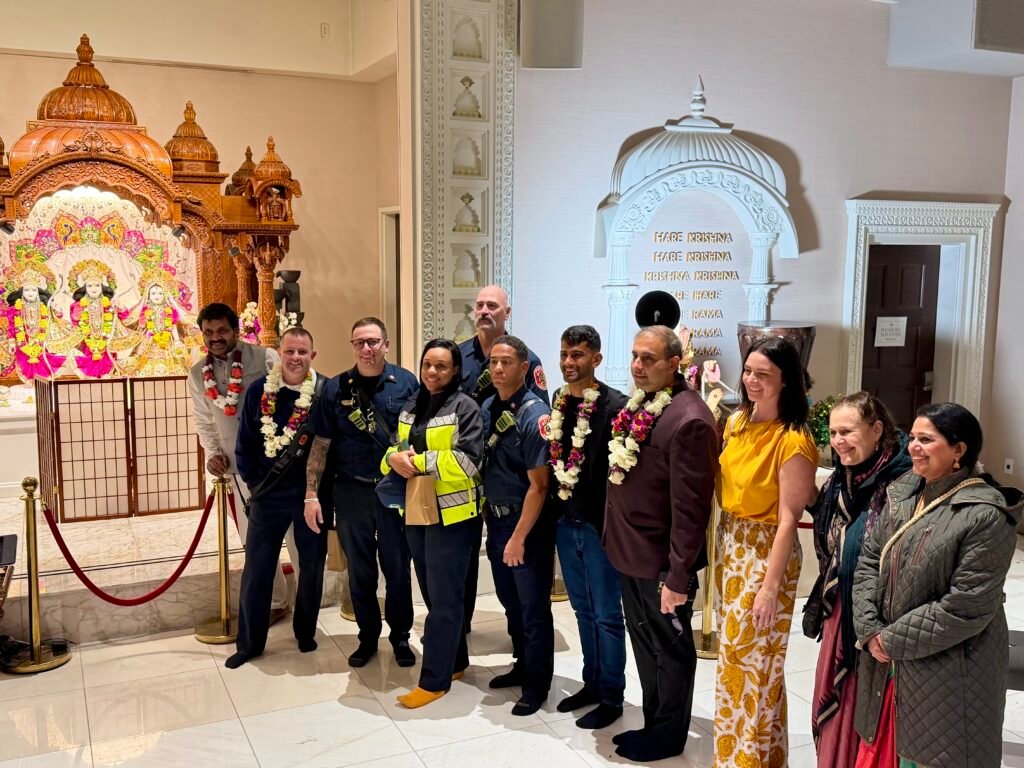
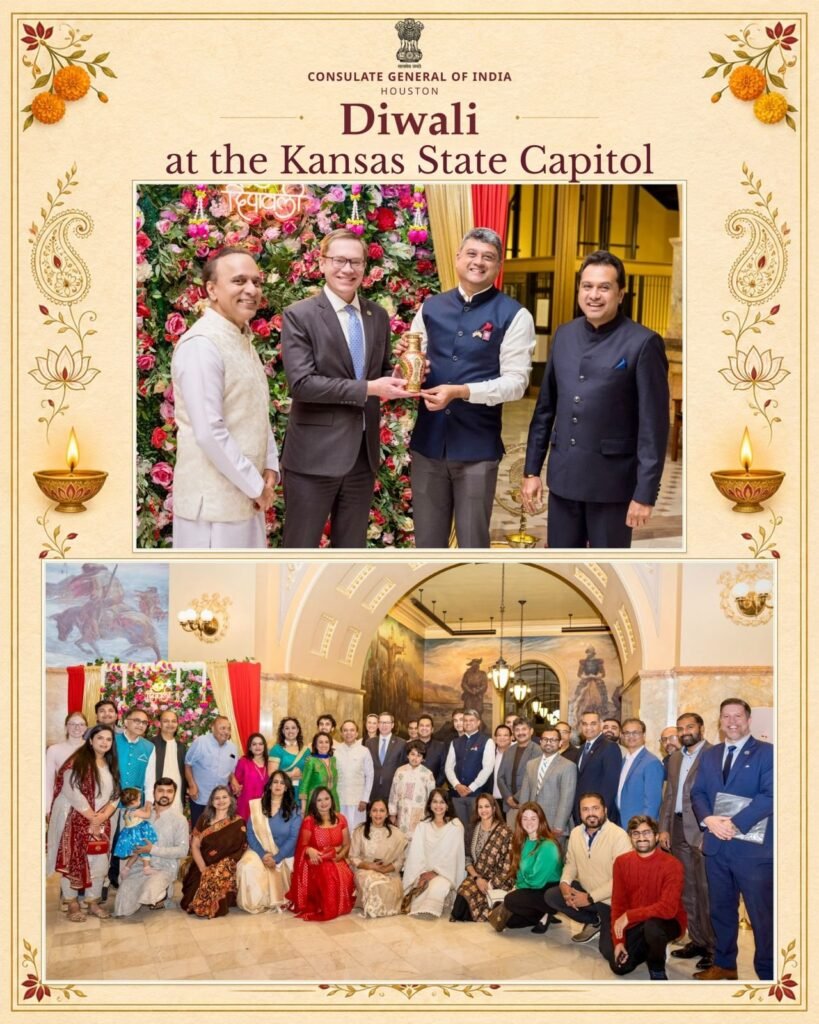
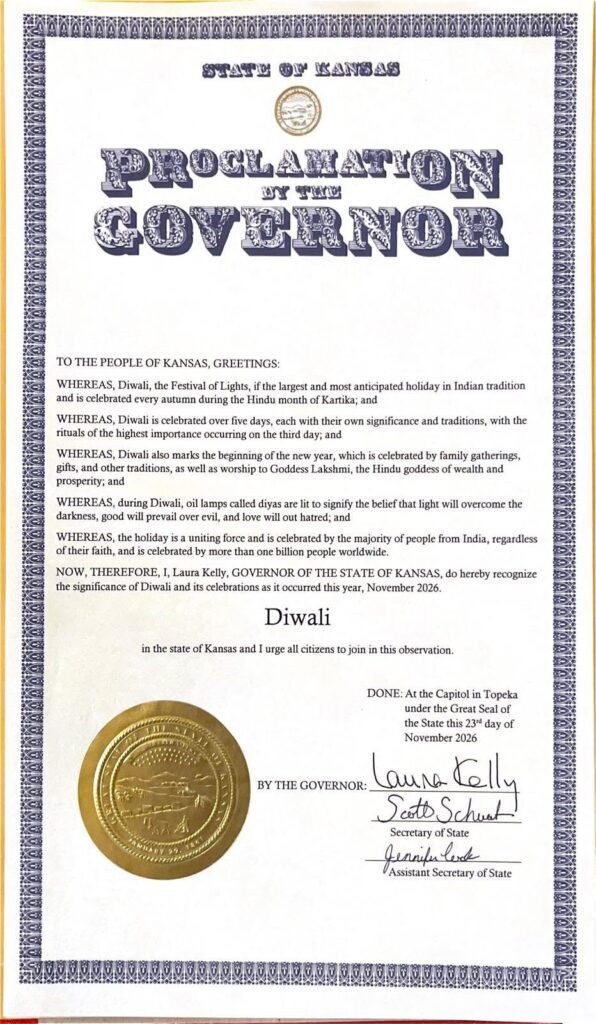
The Kansas State Capitol in Topeka hosted its first Diwali celebration on November 23, bringing together state officials and Indian American community members from across Kansas. Governor Laura Kelly signed a proclamation recognizing the Festival of Lights and the community’s contributions to the state.
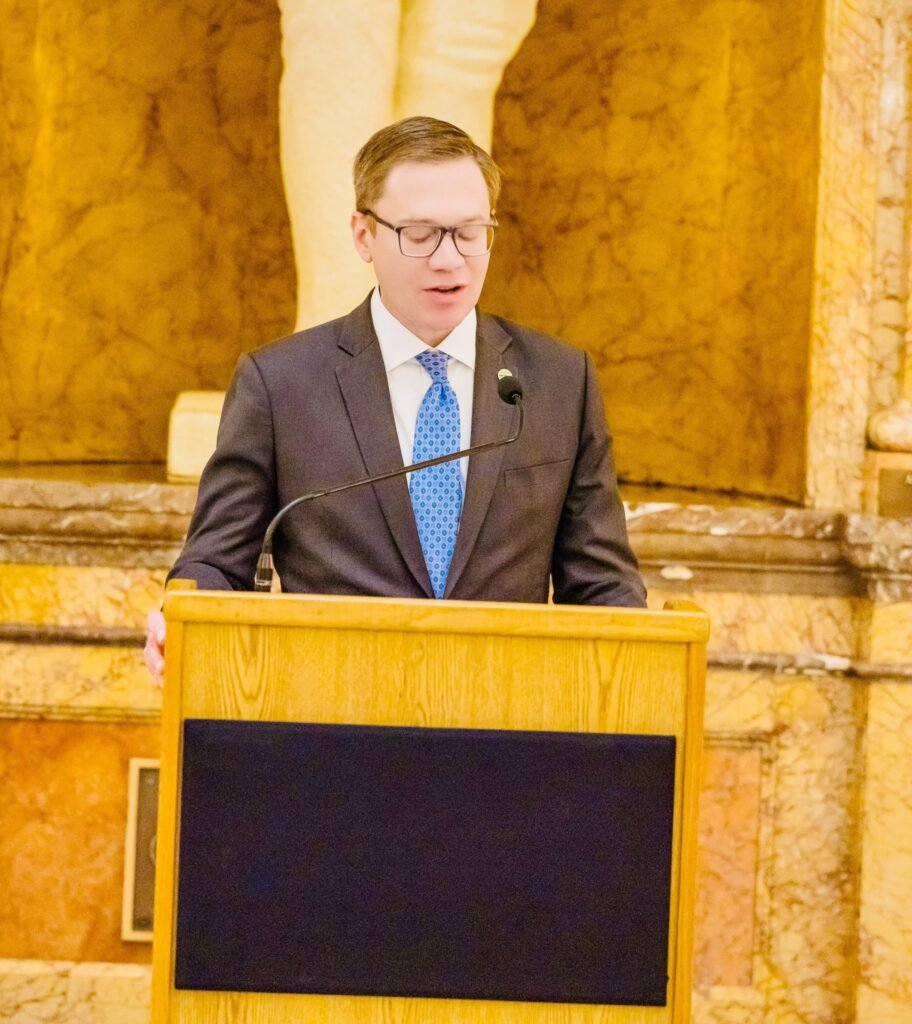
Lieutenant Governor David Toland hosted the event, which the Gujarati Samaj of Greater Kansas City organized with other Indian diaspora organizations from across Kansas. Representatives of those organizations joined state leaders and Indian diplomatic officials for the observance.
Kelly signed and presented the proclamation during a closed ceremony. The proclamation described Diwali as a uniting force and recognized the festival’s enduring message of light overcoming darkness. The proclamation also acknowledged the role of Indian Americans in the social, economic, academic, and cultural life of Kansas.
In his remarks, Toland recognized the contributions Indian Americans have made to Kansas and thanked the community for its role in the state’s progress. Dr. Prateek Sharma, a recipient of India’s Padma Shri award, and Dev Bharwad, president of the Gujarati Samaj of Greater Kansas City, also spoke and welcomed the Capitol’s first observance of the festival.
Advertisement
D.C. Manjunath, India’s consul general in Houston, thanked Kelly for her support of the state’s diverse communities and credited Toland with taking the initiative to host the celebration. He said the setting gave the event particular significance for people of Indian origin who call Kansas home.
“It is significant because it is being celebrated in the people’s Capitol, the symbolic heart of Kansas democracy,” Manjunath said.
He recalled meeting Toland the previous year to discuss the contributions of Indian Americans in Kansas and the state’s growing partnership with India. Manjunath said Toland had shown an appreciation for the different communities that make up Kansas and that hosting Diwali at the Capitol was a way to make those communities feel welcome.
Manjunath expressed gratitude on behalf of the Indian government and the consulate in Houston, calling the celebration a milestone for people of Indian origin in Kansas. He said the governor’s proclamation distinguished the first Diwali celebration at the Kansas State Capitol from earlier celebrations held at the governors’ mansions in Texas and Arkansas. Arkansas hosted its celebration last year and did not hold one this year, he said.
He said the thousands of Indian Americans and people of Indian origin who live in Kansas would remember the occasion as a milestone. He also pointed to the governor’s proclamation as a feature of the Kansas event, citing earlier Diwali celebrations held at governors’ mansions in Texas and Arkansas.
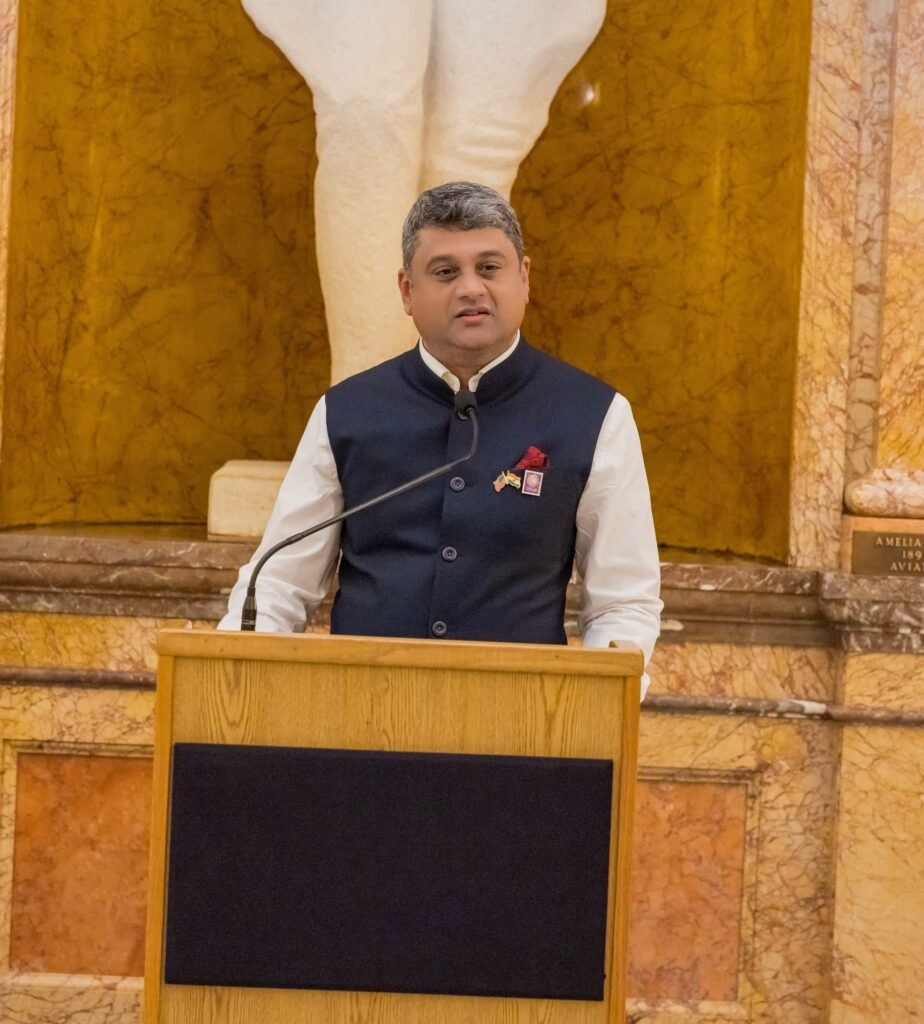
Much of Manjunath’s address focused on the traditions behind Diwali and the values he said they share with other observances. The stories associated with the festival and the ways families celebrate it may vary, he said, but its central themes include the triumph of light over darkness, knowledge over ignorance, and hope over despair.
He cited three lines from an ancient Indian prayer: “Asato Ma Sad Gamaya,” which he translated as “Lead us from untruth to truth”; “Tamaso Ma Jyotir Gamaya,” or “Lead us from darkness to light”; and “Mrityor Ma Amritam Gamaya,” or “Lead us from mortality to immortality.”
Manjunath linked the prayer to the custom of lighting lamps in homes during Diwali. He said the lamps symbolize aspirations for wisdom, compassion, and peace. That symbolism, he told the gathering, helps explain why the festival’s message resonates with people who encounter Diwali outside India.
He drew parallels with Hanukkah and Thanksgiving, pointing to themes of resilience and light in the Jewish observance and to the gathering of families and communities in a spirit of gratitude during the American holiday. Across faiths and cultures, he said, such occasions give people an opportunity to spend time with family, consider what they are grateful for, and renew ties with their communities.
Manjunath placed the Topeka celebration within a broader trend of public observances in the United States. He cited Diwali events at the White House and in Congress, along with gatherings in state capitols and city halls. Public officials and institutions, he said, have joined Indian American communities in marking a festival that for many families begins with traditions observed at home.
He pointed to examples within his consular jurisdiction, including celebrations at the Texas Governor’s Mansion and Houston City Hall. He also noted Austin’s growing recognition of Diwali. The Kansas gathering, he said, added another state Capitol to the public settings where the festival has been observed.
For the organizations that helped arrange the event, the gathering brought together members of the diaspora from across Kansas at the seat of state government. The proclamation recognized their community’s work in areas ranging from education and the economy to cultural life, themes that both Toland and Manjunath addressed in their remarks.
Manjunath urged those gathered to carry the festival’s emphasis on understanding, service, and goodwill into their communities. He also returned to the relationship between Kansas and India, expressing hope that the ties he and Toland had discussed the previous year would continue to develop.
“May the light of Diwali illuminate every home with happiness, every heart with peace, and every community with hope and prosperity,” Manjunath said. “May the bonds between the people of India and the people of Kansas continue to grow stronger in the years ahead.”