The current crisis in West Asia has brought the global energy system closer to disruption than at any time in recent decades. At the center of the crisis lies the Strait of Hormuz, a narrow waterway between Iran and Oman that carries roughly a fifth of the world’s traded oil and liquefied natural gas. For decades, the global economy has operated on the assumption that this chokepoint would remain open. On February 28 this year, that assumption collapsed.
Following a joint strike by the United States and Israel on Iran, Iranian naval actions and heightened security risks effectively halted commercial shipping through the Strait. The consequences were immediate. Tanker traffic slowed dramatically, insurance costs surged, and oil markets reacted with sharp volatility. Brent crude prices climbed from around $70 per barrel to nearly $126 within weeks.
For India, the disruption was not a distant geopolitical event. It struck directly at the country’s economic lifeline. Nearly 88 percent of India’s crude imports pass through the Strait of Hormuz, while around 40 percent of total oil imports originate in Gulf countries. The country also relies heavily on liquefied petroleum gas imports from Saudi Arabia, United Arab Emirates, Qatar, and Kuwait. Adding to the stakes, almost nine million Indians live and work in the Gulf region, sending home remittances that exceed the earnings of any single export sector.
When the Strait came close to closure, the implications for India were profound: energy security, trade flows, diaspora safety, and domestic economic stability were all simultaneously at risk.
Advertisement
A Crisis Without a Clear End
Unlike earlier disruptions in global energy markets, the current crisis has proven unusually persistent. The 1973 Arab Oil Embargo disrupted supply but did not shut the Strait. Even during the Iran–Iraq War, tanker traffic continued despite attacks. More recently, the 2019 Abqaiq–Khurais drone attack briefly cut Saudi output but normal supply resumed within weeks.
This time, the disruption has stretched beyond two months, with no reliable timeline for restoration of normal shipping. Two ceasefires have already collapsed, and intermittent safe-passage arrangements have failed to stabilize maritime traffic. Meanwhile, insurance premiums for vessels transiting the Persian Gulf have surged, and rerouting cargo around the Cape of Good Hope has added weeks to delivery schedules and significantly increased freight costs.
The shutdown of the Ras Laffan Industrial City, the world’s largest LNG export facility in Qatar, has further intensified supply constraints. Analysts estimate repairs could take years, underscoring how deeply the crisis has affected global energy infrastructure.
In short, the world’s most important oil artery has been disrupted with no predictable end in sight.
India’s Rapid Policy Response
Despite the severity of the shock, India’s response was swift and multi-layered.
Within eight days of the disruption, the government issued the Liquefied Petroleum Gas (Maintenance and Stocks) Control Order, directing refineries to maximize LPG output. Domestic production rose sharply from roughly 36,000 tons per day to 54,000 tons, representing a 50 percent increase.
Shortly thereafter, the Natural Gas (Supply Regulation) Order redirected gas supply toward priority sectors such as households and public transport. Piped natural gas and compressed natural gas for transport were protected at full allocation levels, while industrial usage was capped to ensure adequate supply elsewhere.
At the same time, India rapidly diversified crude sourcing. Imports were redirected toward suppliers in Russia, the United States, West Africa, and the Atlantic basin. Domestic production was also increased where possible.
On 27 March, the government made a crucial fiscal intervention:
Excise duty on petrol was reduced from ₹13 per liter to ₹3.
Excise duty on diesel was reduced to zero.
This decision effectively shielded consumers from the full impact of rising global prices.
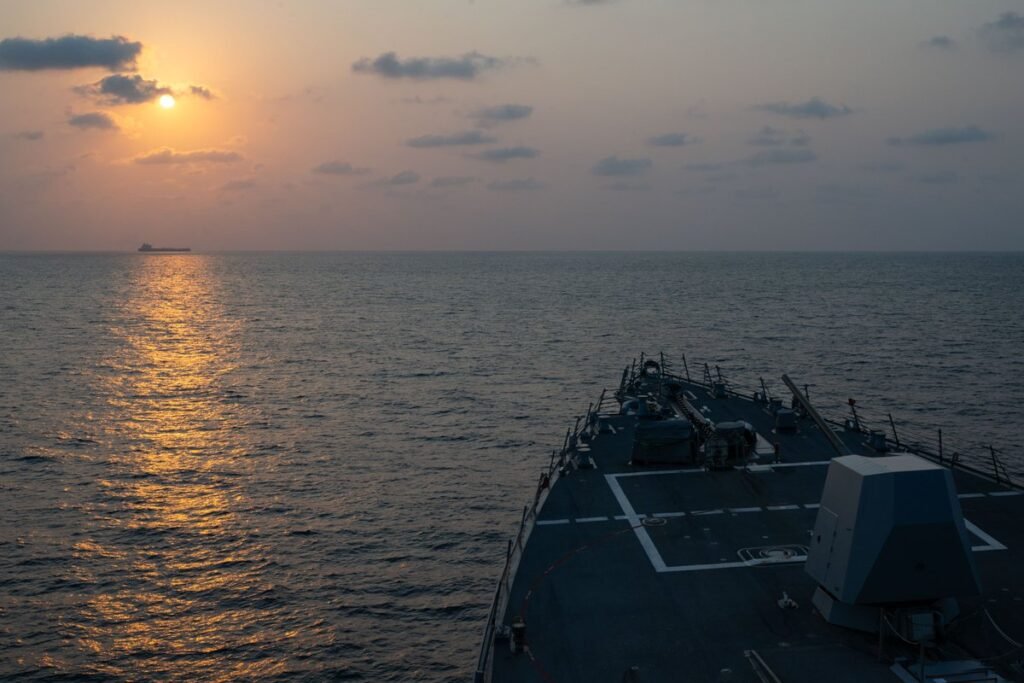
Meanwhile, the Indian Navy deployed assets in the Gulf of Oman to escort vessels, and diplomatic channels helped negotiate a multi-nation safe-passage framework through Iranian waters.
None of these steps were pre-planned for this exact scenario. They were executed in real time amid extreme uncertainty.
The Price India Chose to Pay
Perhaps the most remarkable outcome of the crisis has been what Indian consumers have not experienced.
Across the world, governments have responded to rising fuel prices through rationing, conservation mandates, or direct price increases. Yet in India, the retail price of petrol and diesel has remained unchanged for more than two months.
There has been:
- No fuel rationing
- No work-from-home mandates
- No school closures
- No fuel pass system
- No supply shortages
The petrol pump on the Indian street and the LPG cylinder in the household kitchen have continued to function normally despite a historic disruption in global supply.
This stability has come at a cost. The government absorbed roughly ₹24 per liter on petrol and ₹30 per liter on diesel at peak crude prices. Public sector oil companies have borne substantial under-recoveries while maintaining supply.
But the policy decision was clear: shield households and businesses from the global shock.
The Dividend of Long-Term Preparation
The ability to manage the crisis did not emerge overnight. It reflects a decade of structural preparation.
Between 2014 and 2026:
- LPG import terminals doubled from 11 to 22
- Crude sourcing countries expanded from 27 to 40
- LPG distributors nearly doubled
- Strategic petroleum reserves were established
- Refining capacity increased significantly
- Ethanol blending rose from 1.53% to 20%
Each of these investments created buffers that proved critical during the current crisis.
Without them, a disruption of this magnitude would likely have produced fuel queues, rationing, fertilizer shortages, and rapid price increases across the country.
Lessons for the Future
The crisis nevertheless raises important long-term questions.
First, India’s strategic petroleum reserves—currently around 5.33 million tons—cover only a limited period of imports. Expansion of these reserves will be essential.
Second, domestic refining and production capacity must continue to grow. Projects in Barmer, Numaligarh, and western coastal refining complexes will play a crucial role in strengthening supply resilience.
Third, the energy transition is no longer solely an environmental priority. Renewable energy, biofuels, hydrogen, and storage technologies are increasingly central to national energy security.
The ongoing crisis has demonstrated that dependence on narrow supply routes carries enormous strategic risk.
A Global Contrast
The contrast with other economies is striking. Across Asia and Europe, governments have implemented emergency measures including rationing, price caps, work-from-home directives, and fuel conservation campaigns.
India stands out as the only major importing country that has maintained stable retail prices and uninterrupted supply throughout the crisis.
When the world’s most important oil chokepoint went dark, many countries passed the shock directly to consumers. India chose a different path—absorbing the cost while maintaining supply stability.
Conclusion
The crisis in West Asia is not over. Shipping routes remain uncertain, and energy markets continue to operate under significant strain. Even after a ceasefire, analysts expect elevated oil prices to persist for months as supply chains normalize.
Yet the experience of the past two months offers an important lesson.
Energy security is not determined only by access to resources. It is shaped by preparation, infrastructure, diplomacy, and the ability of a state to act decisively in moments of crisis.
When the Strait of Hormuz faltered, India’s energy system did not.
And that resilience may prove to be the country’s most important strategic asset in an increasingly uncertain world.
Disclaimer: The opinions and views expressed in this article/column are those of the author(s) and do not necessarily reflect the views or positions of South Asian Herald.