
For two years, commentators speculated on the decline of America. Tariffs and threats were alienating allies. Washington was walking away from institutions it had built. Europe, unsure that the United States would still show up, had started hedging, even toward Beijing. We were told the story of the decade was a superpower turning inward.
On Tuesday, American voters answered back. Democrats regained control of both the Senate and the House. The new House majority is projected to be the largest in nearly two decades, built partly on districts that voted for Trump by double digits in 2024. Whatever you think of the winners, the scale of the result shows something important- the American system still corrects itself at the ballot box.
The new faces of the Senate
In Michigan, Abdul El-Sayed will become the nation’s first Muslim senator. He won despite a campaign of anti-Muslim attacks against him. In New Hampshire, Chris Pappas became the first openly gay man elected to the Senate. And Florida elected Republican Byron Donalds as its first Black governor.
Advertisement
This is the America the world used to admire. The country’s greatness has never rested on one bloodline or creed. It rests on a promise: come from anywhere, buy into the idea, and you can rise to the top.
The money lost
The most important numbers of this election may be the one that failed. Billionaires and major donors invested billions into the midterms to influence outcomes, and yet many candidates that were backed by them lost. The case of Texas is particularly galling for the donor class where Paxton spent about $200 million in the campaign. Instead, James Talarico won and his message the next morning was “Texas is not for sale.”
For years, Americans across the spectrum have worried that elections were turning into auctions. This cycle tested that fear with the biggest checks ever written. Voters said no anyway. That is not just a partisan victory. It is a democratic one.
It’s the economy, again
The winning message was cost of living – the same that Trump had campaigned on in his Presidential campaign. Voters had deep frustration with high prices, the war in Iran and the state of government. Even AI data centres had a role to play – driven by concerns over electricity costs, water use and local impacts. The real question is who pays for the AI boom, through utility bills, water tables and tax breaks. After years of grievance and institutional brinkmanship, American politics is moving back to wages, rent, healthcare and energy.
The Mamdani-Khanna question
The more interesting fight now is inside the winning party. New York Mayor Zohran Mamdani argued that “there is only one majority in this country, and that’s the working class.” Ro Khanna calls himself a “progressive capitalist” and channels the same anger differently, through public investment in the industries defining the future and ownership stakes for ordinary Americans. One is a democratic socialist, the other a Silicon Valley congressman. Both are betting that an economic message can build a broad coalition.
On the democratic side, the democratic socialists have emerged as a further left faction arguing for more social justice and redistribution such as Mamdani. This is contested against more moderate old-school democrats that continue to espouse capitalist values like Ro Khanna. This is the tug-of-war that will define the future of the democratic party going into the next Presidential elections.
Khanna may want to continue his traditional politics but the youth and energy of the party is further left with the socialists. This is becoming more acute with growing affordability and cost-of-living issues as student debt continues to mount combined with lower employment prospects from AI use at the workplace.
India is watching
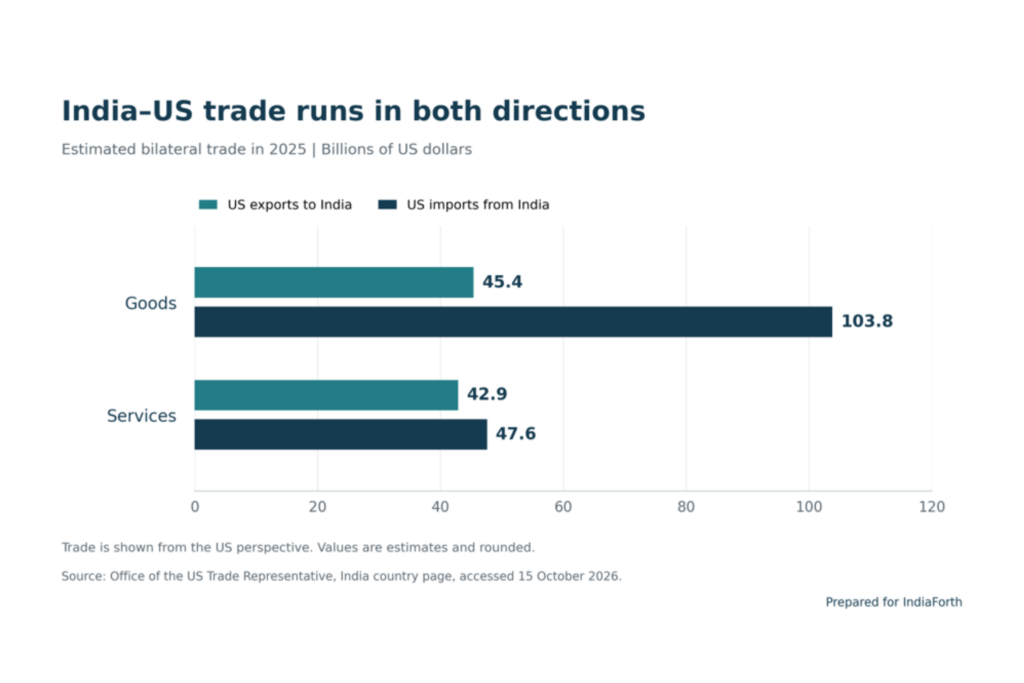
New Delhi spent two years absorbing tariff threats and an H-1B backlash from Washington. Two-thirds of Indian-American voters said in a pre-election survey that they backed Democratic Senate candidates. They helped elect a Congress likely to treat India as a partner rather than something to pressure, which could reopen room for a relationship built on technology and trade instead of tariffs.
Optimism returns
The past two years were dominated by negativity about American decline, about institutions, about whether democracy itself would hold. This week didn’t solve America’s problems. Prices are still high, a war still has to end, and the new majorities now have to deliver. But the votes were counted and the losers conceded. Money hit its limits, and newcomers’ broke ceilings. Yet, new faces rising against odds of prejudice and stereotypes have injected a new confidence in the America that the world applauds. If there’s anything that America loves most, it’s an underdog story – and that’s what this election delivered.
Disclaimer: The opinions and views expressed in this article/column are those of the author(s) and do not necessarily reflect the views or positions of South Asian Herald.