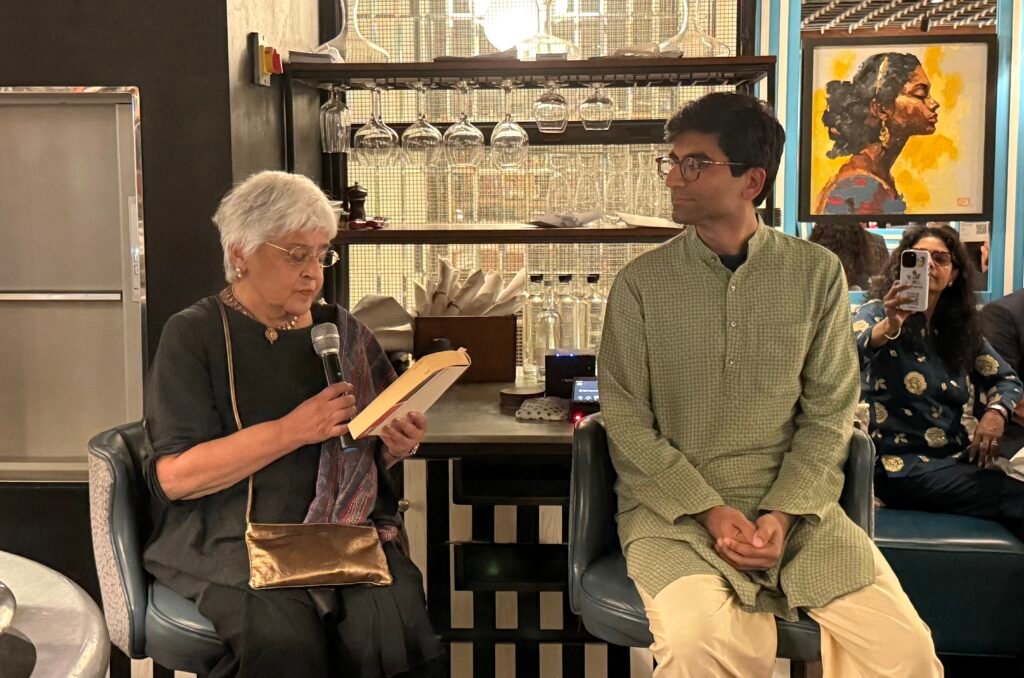
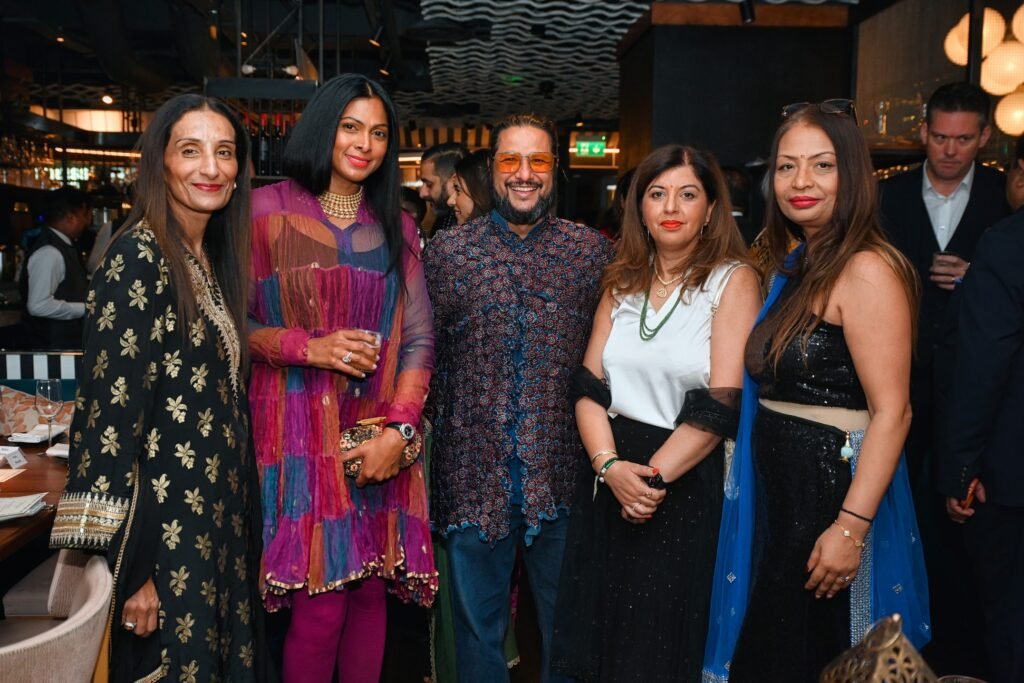
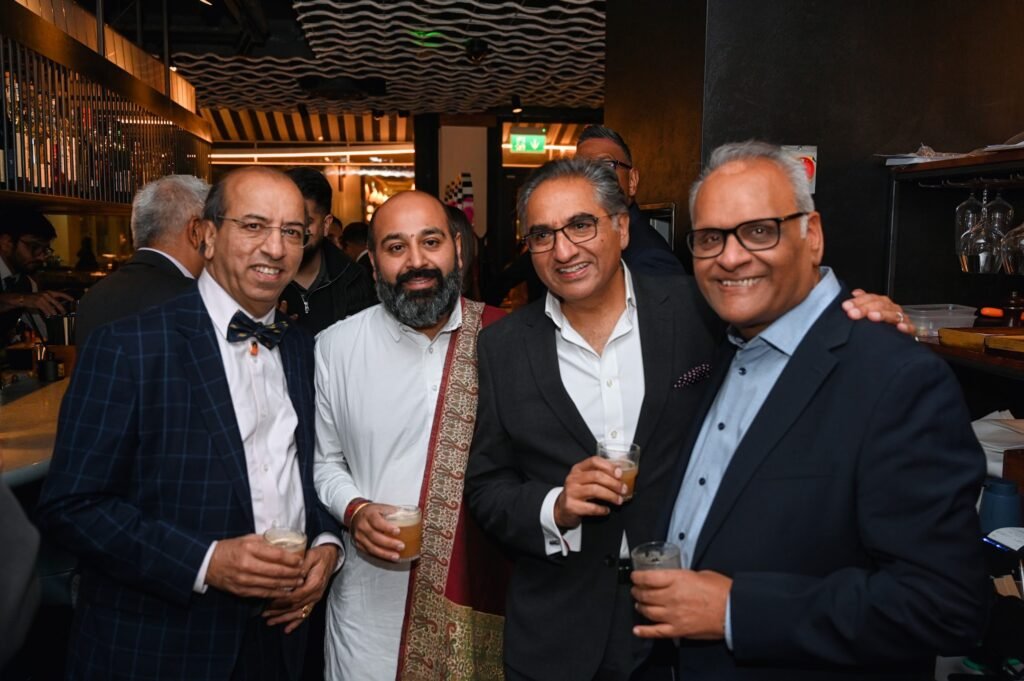
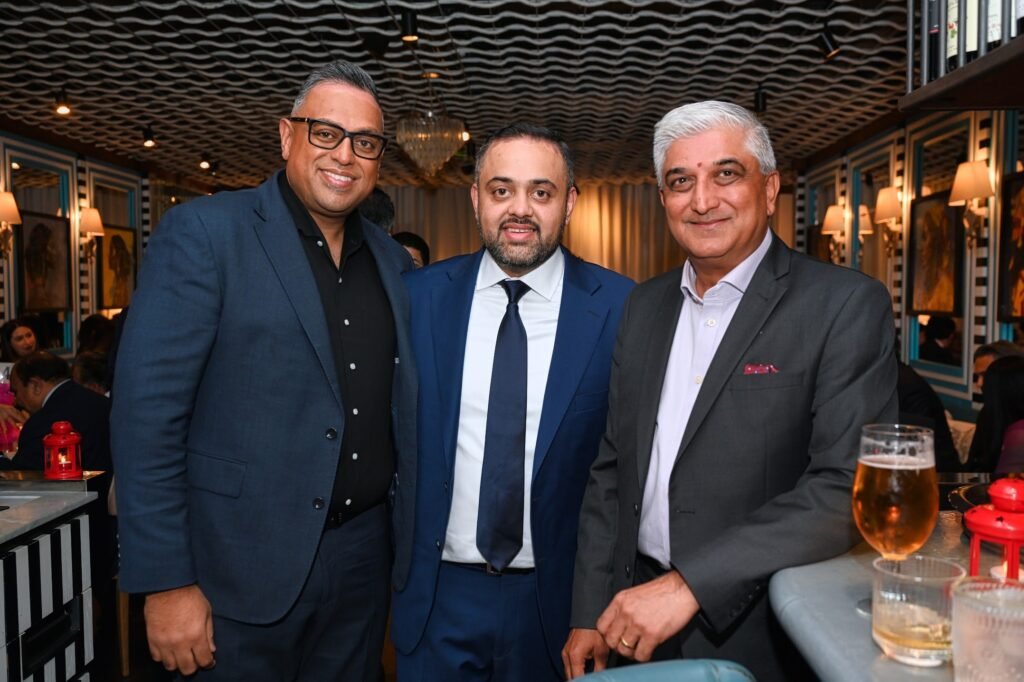
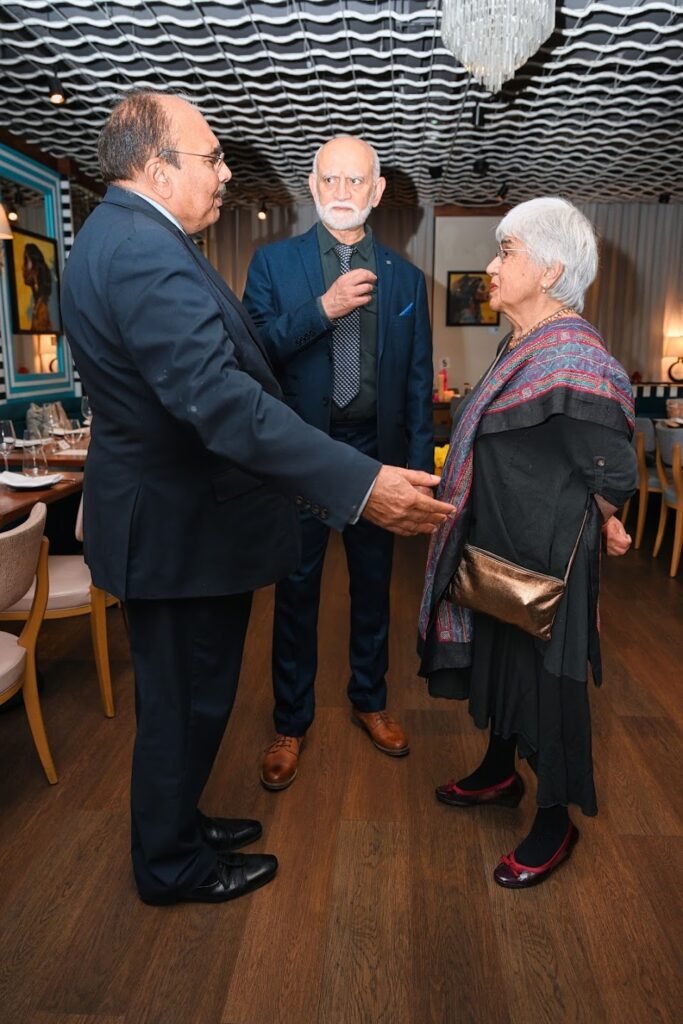
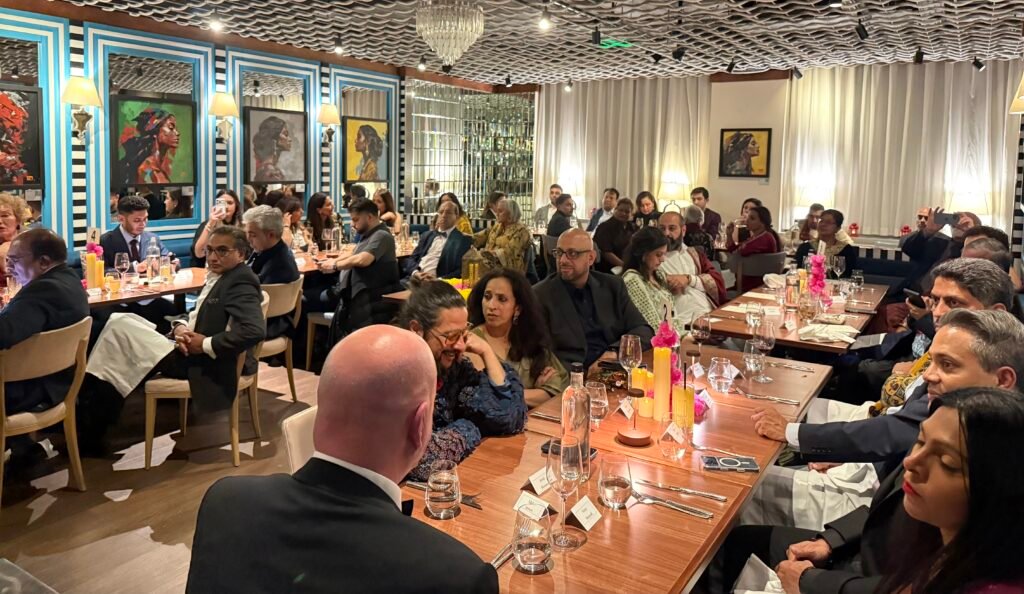
Mayfair, London: Bridge India hosted its annual Diwali dinner on October 23 at Kanishka by Atul Kochhar in Mayfair, London, bringing together guests for an evening of conversation, a discussion of family history and fundraising for girls’ and women’s empowerment in India.
The event featured a question-and-answer session with actress and writer Leena Dhingra, who discussed her book, Exhumation, and read passages exploring displacement, identity and the intergenerational effects of Partition. Her remarks also addressed her search for information about her great-uncle, Indian revolutionary Madan Lal Dhingra, and her experiences in Britain’s acting profession.
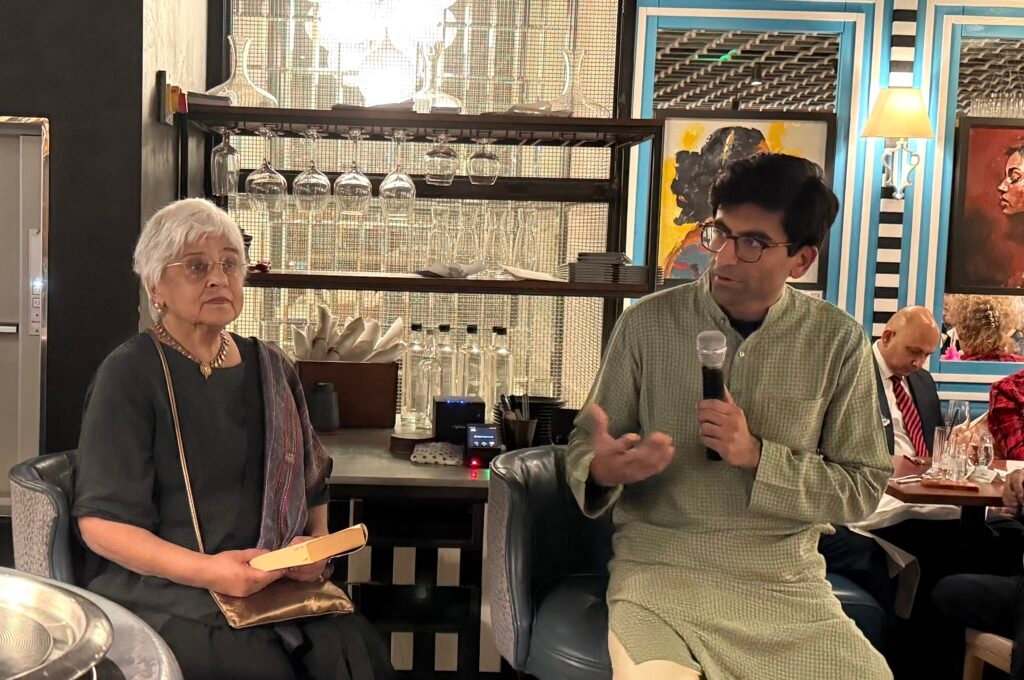
Introducing the evening, Bridge India Founder Pratik Dattani outlined the nonprofit think tank’s mission of helping people interested in India engage more deeply with the country through public policy work and dialogue.
He said the organization seeks to bring together people with different backgrounds and perspectives, creating opportunities to exchange ideas and better understand one another.
Advertisement
“So the aim of Bridge India is to bring all different types of people together because no one has a monopoly on good ideas,” Dattani said. “Once you bring different types of people together, hopefully we all learn from one another, and we also learn where our differences are and where our similarities are.”
Introducing Dhingra, Dattani highlighted the range of experiences she had accumulated while living across several countries, providing a backdrop to the discussion of her memoir.
Dhingra described Exhumation as an account of the impact of colonial rule on a family over a century. The book combines memories of her childhood and displacement after Partition with her investigation into the life of Madan Lal Dhingra, who was executed at London’s Pentonville Prison in 1909 following a political assassination.
She explained that the title refers to the exhumation of her great-uncle’s remains and their return to India. It also reflects her efforts to uncover a family history that had remained largely unspoken.
“Exhumation is this idea of bringing something which is buried to light, and in this case, it was a secret story because nobody ever talked about it in the family,” she said.
Dhingra connected that silence with her childhood experience of Partition. She recalled knowing that it had hurt her parents without understanding what it meant. As a child, she wondered whether Partition was a monster or a machine, but did not ask for an explanation.
Although the subject remained largely undiscussed, she said its consequences shaped her life. Her memoir follows those experiences alongside the search for her great-uncle’s story, a process that involved traveling, meeting people and examining historical records.
Reading from the opening of Exhumation, Dhingra recalled arriving in Bombay at age 13 before beginning a two-day train journey to a new school in South India. Family friends in Bombay had helped equip her with the bedroll and clothing required for school before she joined the other students traveling south.
“It was my ninth school in as many years, and my third in India,” she read. “There had been three in Switzerland, two in France, one in England. Partition had left us displaced in Paris, waiting to go home.”
In the passage, Dhingra described feeling that she had returned home ahead of her family and was preparing the way for the others to follow.
Continuing her reading, she recounted meeting girls around her age, including Charu, Amrita, Sheila and Vijaya. During the train journey, Amrita asked what caste she belonged to. When Dhingra replied that she did not know, Amrita expressed surprise and urged her to write to her parents.
According to the account Dhingra read, her father responded emphatically that caste was not an issue. He told her she was a citizen of free India and, as such, of the world. He also expressed surprise that a student at a South Indian school would ask the question. She recalled “He [my father] suggested I should both remember and remind my friend what Gandhi ji had said. I wasn’t sure what that was.”
The reading then turned to another conversation with Amrita, who asked whether Dhingra’s surname meant she was related to Madan Lal Dhingra.
Dhingra recalled knowing about the family connection but having little understanding of its significance. Earlier, while attending boarding school in England, her older sister had told her that she had encountered their great-uncle’s name in a series called Famous Murderers. Their father had not discussed him with them.
Amrita offered a different interpretation. On learning that Madan Lal Dhingra was her father’s uncle, she described him as a great patriot and told Dhingra that patriots were above caste.
Reflecting on the opening passage, Dhingra said it introduced both the dislocations of her childhood and the family history she would later feel compelled to investigate. Writing the memoir became a way of bringing those experiences to light and making peace with them.
She described the emotional weight of examining her great-uncle’s trial documents at the Public Record Office. Opening the box, she wondered whether she was the first family member to read the records.
The documents prompted her to reflect on a 25-year-old man standing alone in court, without anyone to defend him, aware of the likely outcome. She said the experience brought together the two family traumas explored in the book: Partition and her great-uncle’s story.
Dhingra also discussed her career in Britain, recalling early struggles, periods without acting work and the difficulty of finding roles beyond stereotypical portrayals. She described how appearing in Doctor Who helped her reconnect with her personal history and process her family’s trauma.
“I’m 80. I go back a long way, and when I was young, in every situation, I was the only brown person there. It was not the reality of today,” she said. “So, I wasn’t searching to be heard or to be seen. I just accepted, unfortunately, the fact that I was invisible, and it was more polite to remain invisible because you didn’t want to sort of upset anybody.”
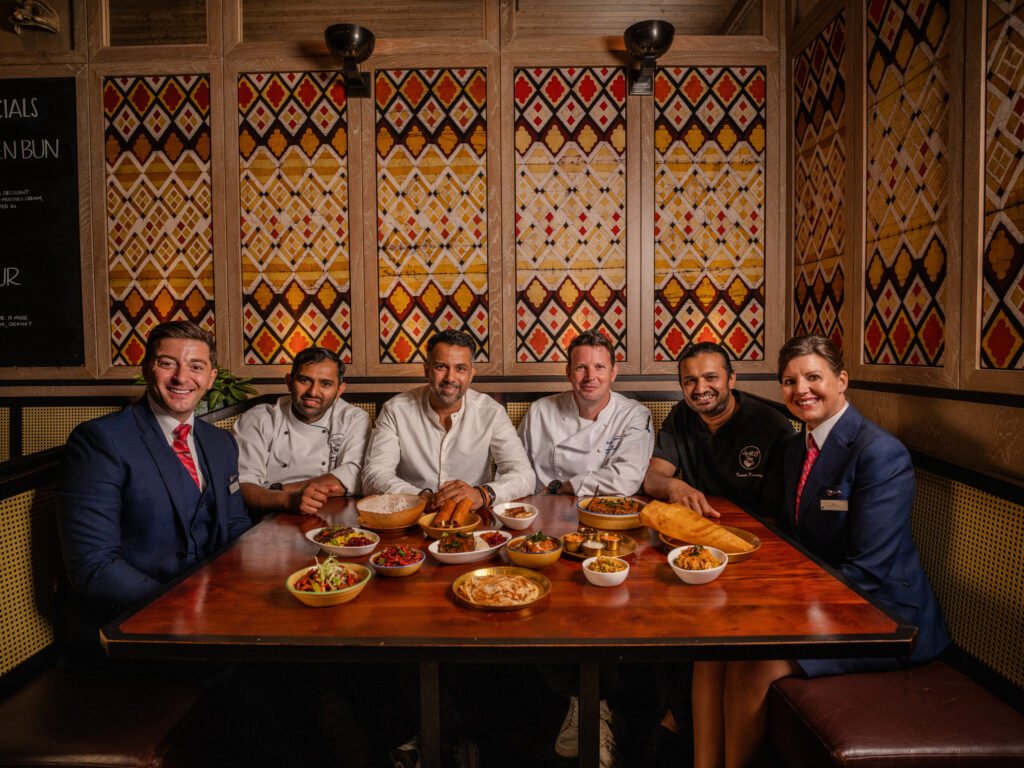
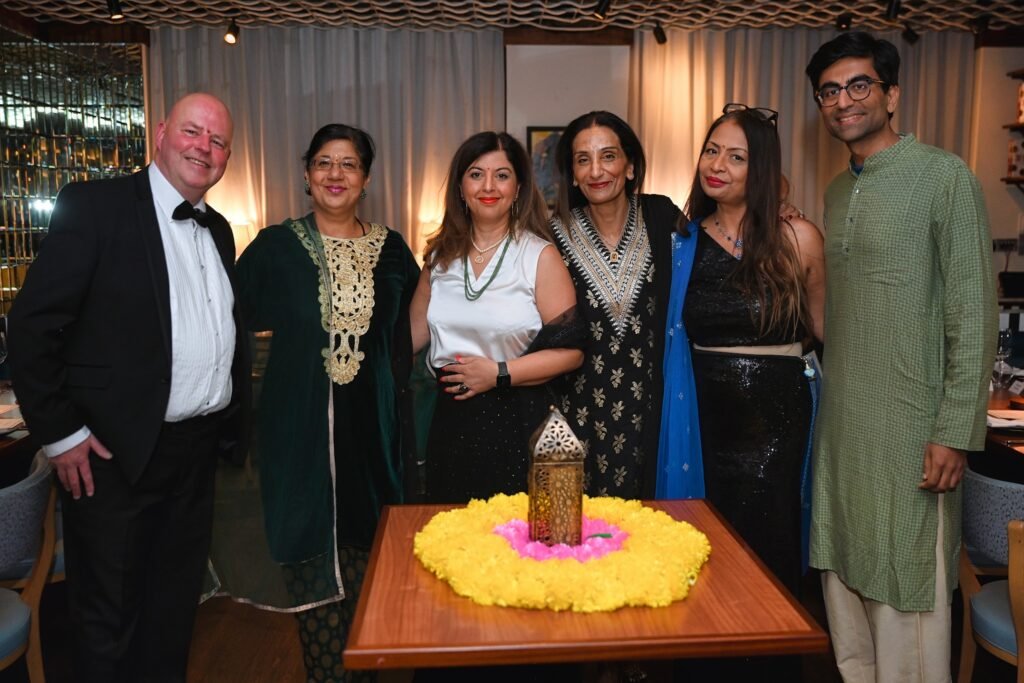
The evening included a five-course meal and support from partners including Network Tree, represented by co-founder Smitesh Patel.
The dinner also served as a fundraiser for Pardadi Pardadi, an Indian nonprofit supporting girls and women in Uttar Pradesh through education, health and hygiene initiatives, community development and economic empowerment.