 Join WhatsApp Channel

Navratri is one of the most auspicious periods in the Hindu calendar, a nine-night festival devoted to the worship of the goddess Durga in her different forms. This year, Sharad Navratri begins on October 11 and ends on October 20.
For millions of devotees, Navratri is a time of prayer, reflection and spiritual renewal. Navratri is observed over nine nights, while Vedic astrology recognises nine planetary influences, or Navagrahas. This offers another way of looking at the festival by reflecting on each form of Durga alongside the planetary influences.
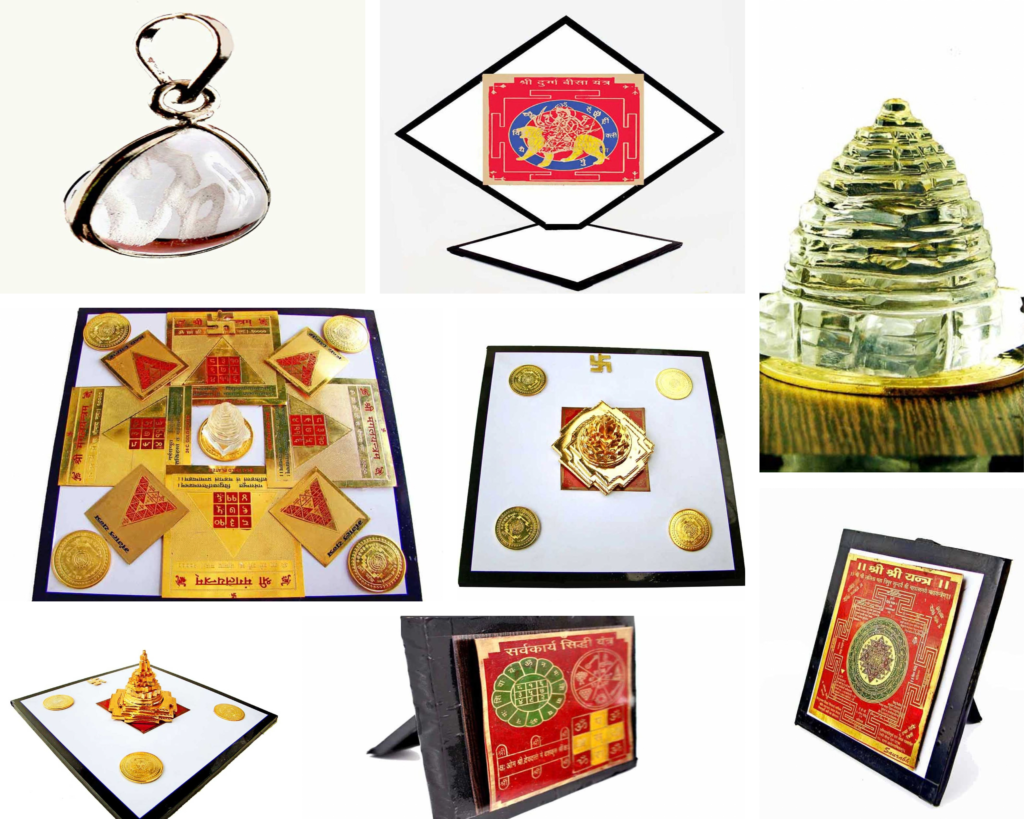
Navratri is also considered an auspicious time to acquire yantras and talismans for spiritual practice and PowerFortunes has a range of traditional Vedic yantras, and talismans associated with the planetary influences, explored below.
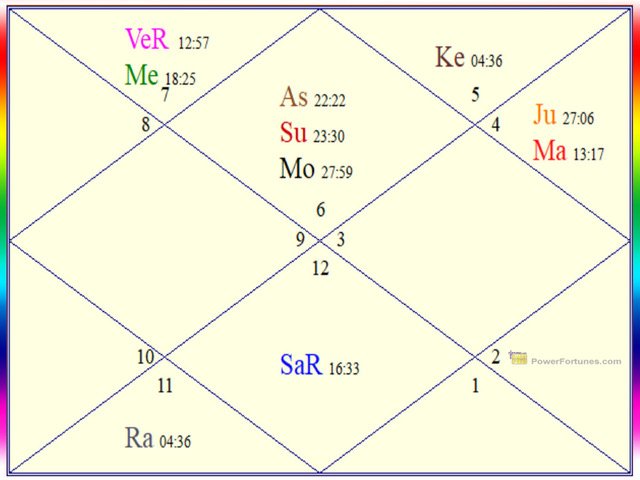
The horoscope at the beginning of Navratri shows several notable alignments. Virgo will be the ascendant and ruling Moon sign, with the Moon adversely aligned in the first house and the Sun also occupying Virgo. Mercury will be the ruling planet of both the first house and Moon sign. Against this astrological backdrop, each day brings its own spiritual significance.
October 11: Shailputri
On the first day of Navratri, Durga is worshipped as Shailputri, the daughter of the mountains.
From an astrological perspective, Mars is debilitated during this period, while the Sun and Jupiter offer more positive influences. In Vedic tradition, yantras associated with Durga and Mars may be used as a focus for prayer or meditation, particularly by those embarking on new ventures.
The day is an opportunity to reflect on new beginnings and purpose.
October 12: Brahmacharini
The second day is dedicated to Brahmacharini, who represents discipline, devotion and perseverance.
These qualities correspond closely with Saturn, which will be in a weakened, retrograde state. In Vedic astrology, Saturn is associated with discipline, responsibility and the lessons that can accompany obstacles or delays.
Spiritual practices should focus on patience and perseverance. Yantras associated with achievement and removing obstacles can also be used.
October 13: Chandraghanta
On the third day, Durga assumes the form of Chandraghanta, associated with courage and confidence.
These characteristics are associated with the Sun. With the Sun positioned in Virgo, Vedic astrology suggests that these qualities may be expressed in a more restrained way.
The day invites reflection on inner confidence and courage. Yantras connected with the Sun, Mars and prosperity can be included into prayer or meditation.
October 14: Kushmanda
Kushmanda, worshipped on the fourth day, represents divine energy, light and vitality.
Jupiter is particularly significant here. Although exalted in the house of gains during this period, its strength is weakened.
In Vedic tradition, the Shri Yantra is associated with prosperity, spiritual energy and the divine feminine. Devotees may place a Shri Yantra in the home as a focus for prayer or meditation.
October 15: Skandamata
The fifth day is devoted to Skandamata, the goddess associated with protection and maternal strength.
Astrologically, the Moon is debilitated and aspects the house of enemies, while retrograde Venus offers limited protection against negative influences.
This day can focus on protection, emotional balance and harmony. A crystal Shri Yantra is traditionally associated with strengthening positive Venusian energy and reducing negative influences attributed to a weakened Moon.
October 16: Katyayani
The benevolent Katyayani presides over the sixth day of Navratri and is associated with progress and progeny.
From a Vedic astrological perspective, strengthening the influences associated with Venus and the Sun is particularly relevant. Prayer, meditation and traditional spiritual symbols associated with harmony, prosperity and success may all form part of the day’s practice.
October 17: Kalaratri
The seventh day is dedicated to Kalaratri, the form of Durga traditionally believed to dispel fear and negative spiritual energy.
On October 17, the Moon will occupy Sagittarius in the first house while Jupiter will occupy Cancer in the eighth house, meaning that each planet will be positioned in the other’s sign.
In Vedic astrology, practices to balance the Moon and Jupiter will have particular significance and an Om Yantra talisman pendant, for example, can be worn to steady these planetary influences.
October 18: Mahagauri
Mahagauri, the goddess of serenity and purity, is worshipped on the eighth day.
Her qualities encourage a focus on peace, clarity and renewal. From an astrological perspective, Mars remains debilitated while the Sun and Jupiter provide more positive influences.
Traditional Durga and Mangal yantras can be incorporated into spiritual practice during this period, particularly by those seeking a symbolic focus for new beginnings.
October 19–20: Siddhidaatri
The ninth and final form of Durga worshipped during Navratri is Siddhidaatri, whose name means the bestower of divine powers.
The conclusion of Navratri brings together devotion, courage, discipline, protection, prosperity and inner strength. The Durga Yantra is traditionally associated with the goddess and may be used as a focus for prayer and meditation.
Ultimately, Navratri is about more than astrological alignments or spiritual objects. It offers an opportunity to connect worldly aspirations with spiritual devotion. Whether through prayer, fasting, meditation, acts of devotion or the traditional use of yantras, genuine intention remains at the heart of the festival.
Related posts:
 Times Square Comes Alive with Durga Utsav 2025
 World Meditation Day: United Nations Highlights Meditation’s Role in Mental Well-Being and Global Peace
 India and Core Group Nations Celebrate Second World Meditation Day at United Nations
 IACFNJ Hosts Navratri Garba Celebration in South Brunswick, New Jersey
