 Join WhatsApp Channel

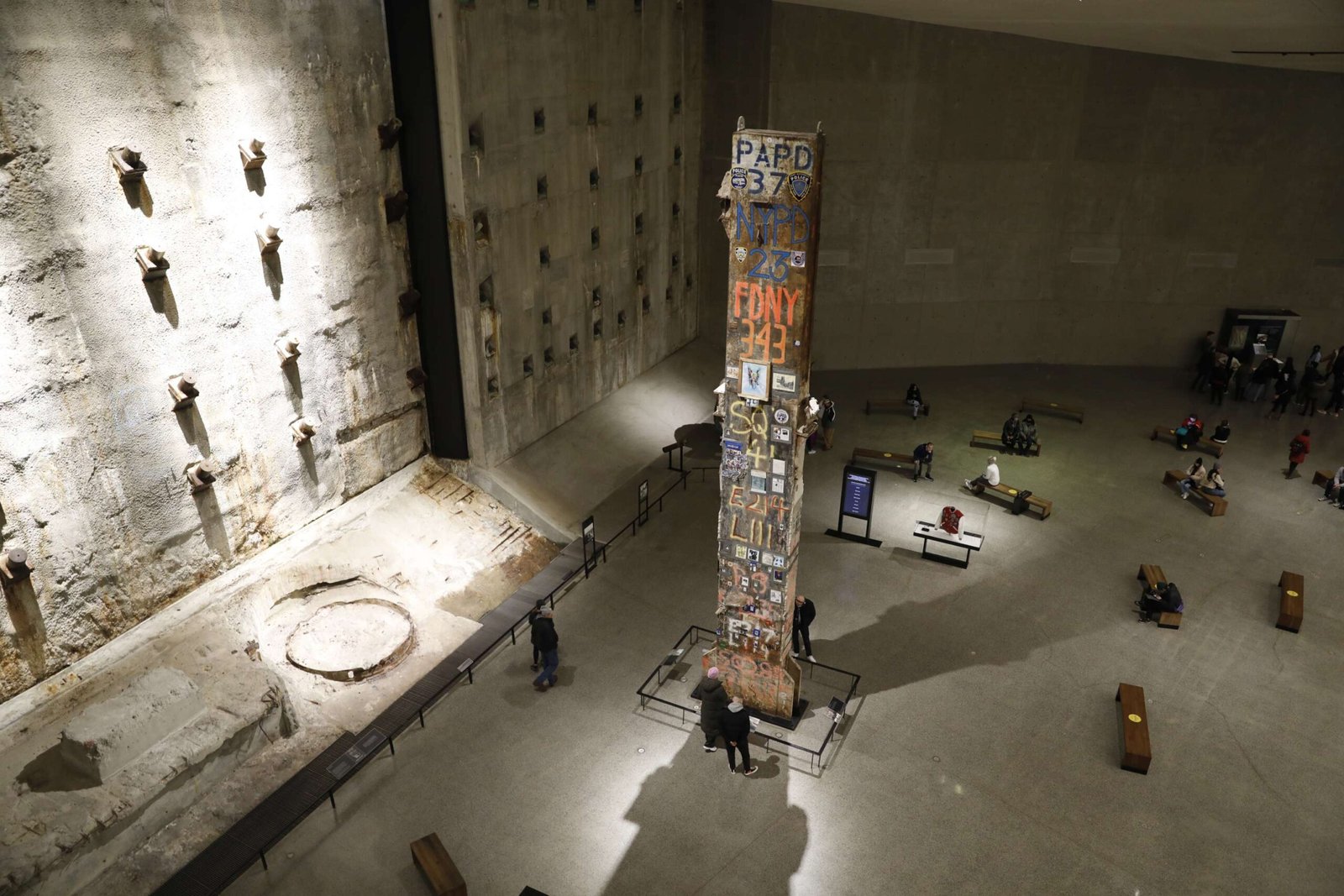
September 11, 2001, will always be a day of remembrance for America and the world at large. It was on this day the world’s invincible super-power came under attack from a handful of terrorists who hijacked commercial jets and slammed into the World Trade Center building in New York, the Pentagon and a fourth one brought down in Stonycreek Township of Shanksville, Pennsylvania, by passengers who over-powered the thugs. This plane was intended for the White House or Capitol Hill. In all four planes and 19 hijackers changed the course of history.
America observes the 25th anniversary of 9/11, a day everyone has something to say about, excepting the 2977 souls who perished at the Twin Towers and many more on that fateful day. I vividly remember that day—in New York for a routine assignment from Washington to cover the United Nations, getting ready in a hotel room in Manhattan to go to the world body headquarters when a telephone call suggested of a “small” plane hitting the Towers, followed by a second. Turning on the television was totally different picture and soon the city was over-whelmed with emergency vehicles; and law enforcement shutting off access to non-essential persons as they should.
For several days I was literally holed up in my hotel room, the only free access was to the reception area where guests were gathered watching in disbelief at what was unfolding in television screens, moaning and cussing at times. For a city that never sleeps, many downed their shutters that evening; and New York slice pizzas also became a scarce commodity. With land, train and air traffic momentarily suspended, getting in an out of New York also became a problem. And soon the Apple City was not alone for Washington DC ‘s Reagan National also closed for a prolonged period of time, only eventually to put out a few airlines out of business through Chapter 11 Bankruptcy filings.
Memories of 9/11 are bound to be painful forever to the families of lost souls. But to America and the rest of the world, there was another dimension to that horrific day: it changed perceptions and world view on a permanent basis. Suddenly people started defining normal and normality differently; by the color of the skin or accents of speech. Those not seen as “normal” were at once classified as having the potential to harm; and civil rights groups soon started protesting at perceived racial profiling at even routine traffic stops by police. In short, a climate of silent fear that soon led to increased security checks at airports and rail stations. Some justified these enhanced measures as essential; others believed it was intrusive.
But 9/11 also had a telling impact on international system for soon the so-called war on terror took the United States to Afghanistan first in the hunt for Osama bin Laden; and later on, to Iraq on fictitious and bogus claims that Saddam Hussein had links to terrorism, had hobnobbed with the al Qaeda and was fooling around with weapons of mass destruction. At every step of the way, George W Bush who was President on 9/11 was asked the whereabouts of bin Laden, if he was alive of dead. Always there was this deadpan response from President Bush: “If he’s alive, we’ll get him; if he’s dead, we got him.”
But the hunt for the notorious leader of the al Qaeda leader ended only about a decade later in 2011 and under the Presidency of Barack Obama. bin Laden was taken down in Abbottabad, Pakistan, not far away from a military garrison. I was at an academic campus in Oklahoma when the news of bin Laden came; and the sense of relief was palpable as seen in a billboard on top of a music store: “bin Laden sleeps with the fishes,” capturing the watery grave the feared terrorist faced in the end. It has been some 15 years since bin Laden has been gone, still his associates are languishing in military prisons in America waiting for trials, some like Khalid Sheikh Mohhamed (KSM), the actual mastermind of 9/11 set to go on trial in 2028 after being nabbed from Rawalpindi in early 2003.
Twenty-five-years later the world reflects on 9/11, bin Laden and al Qaeda and can only come to a painful conclusion: terrorism flourishes even if the organization that actually lent its name to the dreaded word and its leader are long gone. What the international system is witnessing are not variants of the al Qaeda or cousins of bin Laden on the move; but deadlier outfits who are keen on making 9/11 look small. How else could we look at the Daesh, a terror outfit also known as the ISIS, ISIL or the Islamic State that has brought about chaos and misery in Iraq and Syria and at its peak even establishing the “Caliphate” and creating mayhem in Europe through its cells and affiliates? How about the African continent like the Boko Haram unleashing a reign of terror mostly against women and young girls?
And there are terror outfits who use the pretext of those innocents fighting for a legitimate statehood to bring about death and destruction. In all this one is not to forget those fomenting cross border terror and yet put on an innocent face of facilitators of peace as a way of sneaking back into the good graces of the international community. There has never been an honest distinction between a “good” and “bad” terrorist; just as how the world can make that vital distinction between a terrorist and a freedom fighter.
Disclaimer: The opinions and views expressed in this article/column are those of the author(s) and do not necessarily reflect the views or positions of South Asian Herald.
Related posts:
 ‘We see it in citizens across the world peacefully choosing their future — from Ghana to India to South Korea’ says President Joe Biden during his UNGA Address
 U.S. Leaders, Indian American Lawmakers, and Community Organizations Condemn Kashmir Terror Attack That Killed 26 Tourists
 Guest Column: Nukes, Mercedes, and a Dump Truck
 Moscow Summit Sees India Draw a Hard Red Line on Terrorism
