 Join WhatsApp Channel

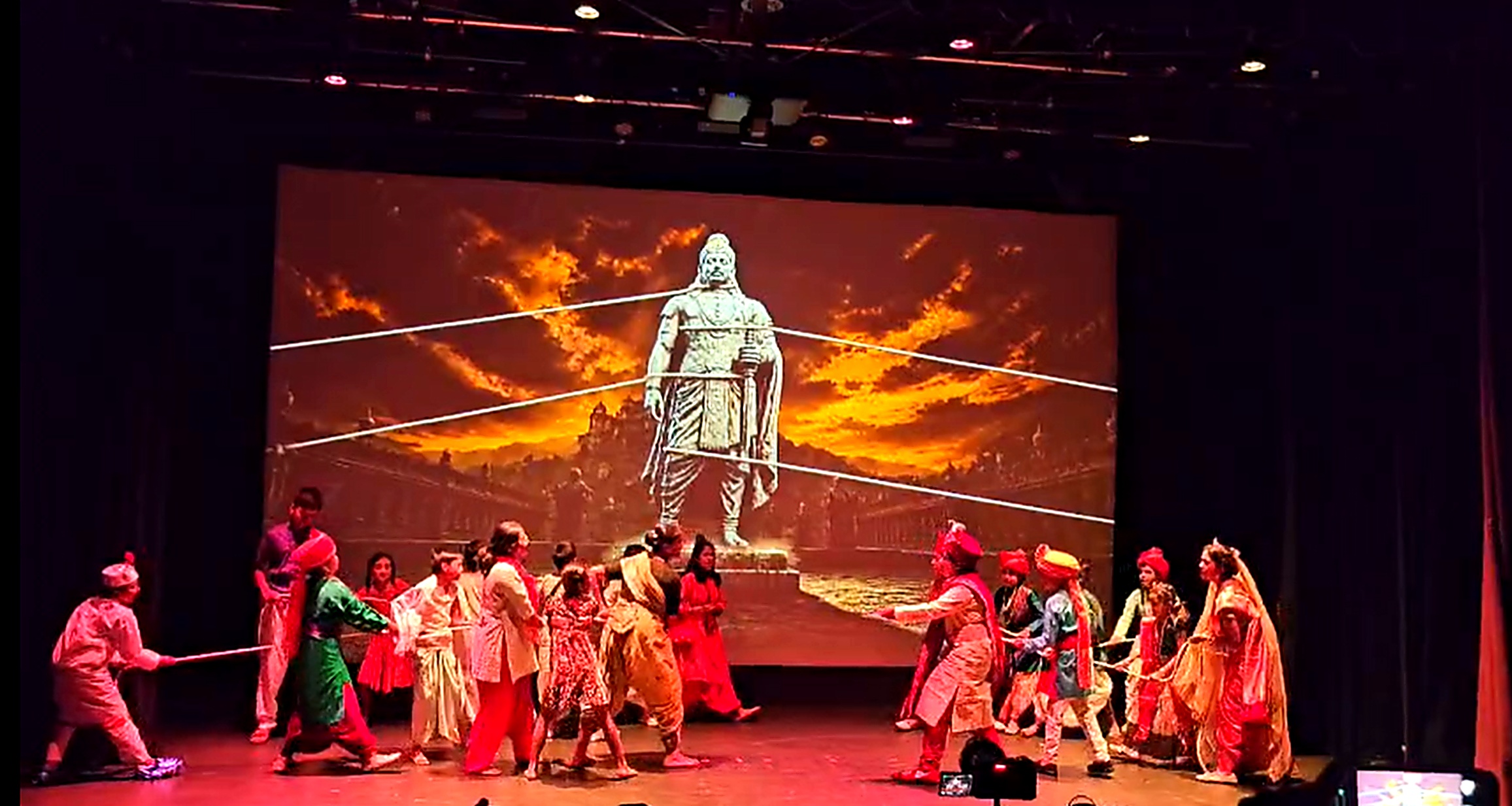
A Perth theater company is opening what it describes as the city’s first Indian theater academy for children, following the success of its acclaimed stage production of Hirak Rajar Deshe (In the Land of the Diamond King). Rangmanch Productions Australia founder and president Sushmita Guha confirmed the launch of Natyashala on July 7, 2026, with the academy’s inaugural batch set to begin on July 26.
The announcement follows the company’s staging of Hirak Rajar Deshe at the Don Russell Performing Arts Centre in Perth, Western Australia. According to organizers, the production drew a packed house and featured Indian filmmaker Sandip Ray as chief guest.
Originally written and directed by legendary filmmaker Satyajit Ray in 1980, Hirak Rajar Deshe is part of the acclaimed Goopy and Bagha trilogy. Ray, widely regarded as one of India’s greatest filmmakers, received an Honorary Academy Award for Lifetime Achievement in 1991. His son, Sandip Ray, who attended the Perth production as chief guest, later continued the series by directing Goopy Bagha Phire Elo (The Return of Goopy and Bagha).
The Perth stage adaptation was directed by Supriya Guha, co-founder and creative director of Rangmanch Productions Australia, who has led theater productions in the city for the past fifteen years. An engineer by training from the Indian Institute of Technology (IIT), Guha now leads Deloitte’s Data and AI practice across Western Australia as a Partner. He brought that same technical expertise to the production by incorporating AI assisted audiovisual effects into the backdrops and visual sequences.
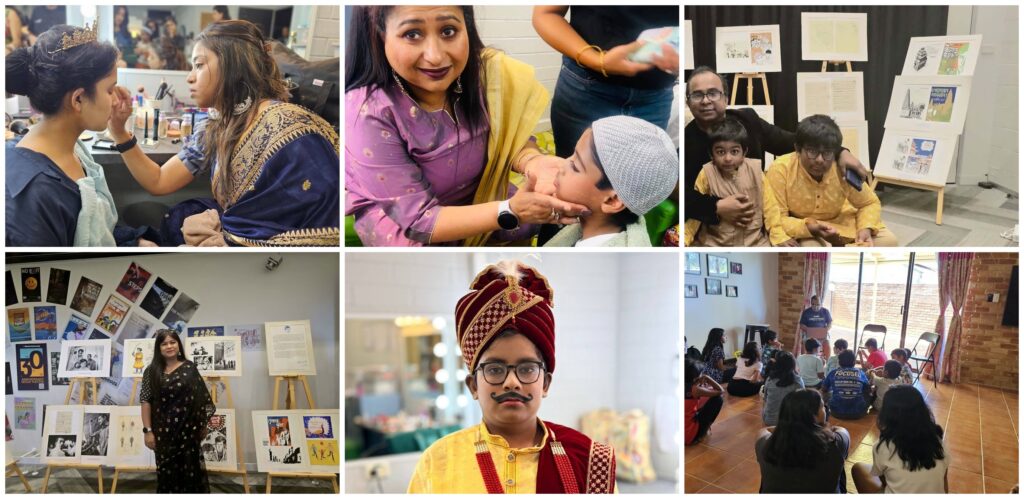
At the Perth staging, Sandip Ray praised the young cast and said the production deserved to be staged in Kolkata, India. “That alone made the entire journey worthwhile,” Guha said.
The title role also carried personal significance for him. Guha’s son, Samodorshi Guha, portrayed Hirak Raja, one of the production’s most demanding roles, built around Satyajit Ray’s rhythmic and intricate Bengali dialogue. Samodorshi said memorizing lines in a language different from his everyday vernacular was challenging, but he felt “proud” when he confidently delivered them on stage.
For Guha, the production reflects a challenge shared by many immigrant families: passing language, culture and identity to children growing up in another country. He said the goal was to give children “roots strong enough to ground them, even as they grow fully into Australian society,” enabling them to carry their heritage “not as a burden, but as a blessing.”
Other young performers expressed similar pride in the production. Ipsita Ghosh, who played Sorola, said she had grown up watching veteran actor Soumitra Chatterjee portray Udayan Pandit in the original film and described it as “an honor to play the role of Sorola didimoni in this adapted play version of the movie.”
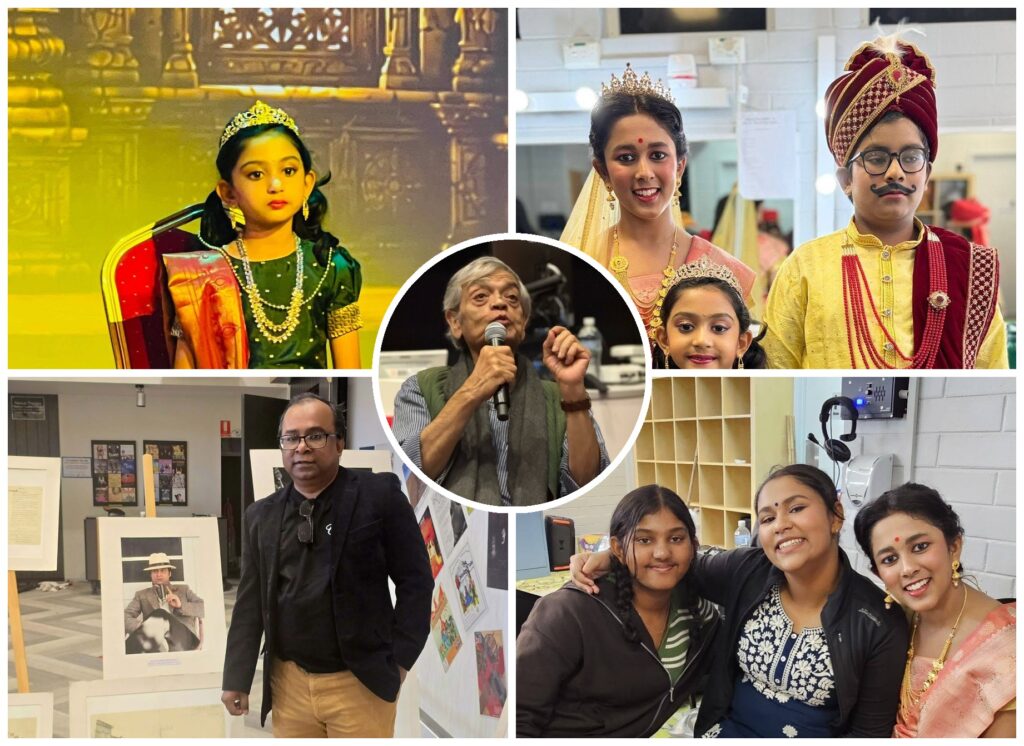
Audience members echoed that enthusiasm. One attendee said it was difficult to believe the production had been performed entirely by children from Perth’s Bengali community, part of the broader Indian diaspora in Western Australia, praising everyone involved in bringing it to life. Another described it as “a great show and effort,” adding that “the AI usage was equally amazing.” A third audience member highlighted the performances of young Goopy, Bostomi and Hirak Raj while also applauding the production’s “creative variation of including female characters within the plot.” One parent said it was her daughter Annika’s first Bengali stage production and that she had “learnt about our culture” through the experience, thanking Guha for his dedication.
Guha traces the origins of Natyashala to a three-day theater workshop he conducted during the 2025 Durga Puja celebrations organized by the Bengali Association of Western Australia (BAWA). He said the experience of helping young participants build confidence and discover their voice on stage showed him “how theater can shape not only performance, but personality; not only expression, but character.”
He named that workshop Natyashala, and “its success became the foundation for a permanent academy.” According to Rangmanch, children enrolled in Natyashala will train in expression, voice, movement, storytelling, confidence and teamwork.
According to Guha, the academy represents something even more enduring: creating a space where young Indian Australians can discover their voice, build confidence and remain connected to their cultural heritage while growing up in Australia.
Related posts:
 Pankaj Tripathi and wife Mridula Tripathi to Make Their Debuts in Theatre Production, also Marking Their Daughter Aashi’s Stage Debut
 PACA Showcases Community-Driven Theater at Atlanta’s Global Mall With “Stage to Community” Event
 Sri Ganapathy Sachchidananda Swamiji performs Meditation and Healing concerts in a Tennessee cave
 Indian Traveler Extraordinaire
