Join WhatsApp Channel

In the last two installments of this extended feature, I chose to spotlight what is going or has gone wrong with film music today in lyrics and music. The third angle remains: the singers. Let us now look at the voices and the trends around in that department.
Branding of singers
Make no mistake: this trend is not new, nor completely undesirable. Anup Jalota, in the olden days, singing pop, would have definitely sounded as incongruous as an Alisha Chinoy singing a devotional. But what I mean here is the success department that takes centerstage.
When Hindi cinema’s most saleable male voices—Mohammed Rafi, Mukesh and Kishore Kumar—all left us, the era of clones was ushered in, and every new singer was asked, as per Anand Raaj Anand’s testimony in the early 1990s: “What do you sing? Rafi, Mukesh or Kishore?” We had a glut of clones of various hues in that phase. On the female side, Lata Mangeshkar clones also abounded, as she has reduced her recordings!
But today, after Arijit Singh became the sole new sensation, composers are trying to make every new singer belt out songs like him: Jubin Nautiyal and Amit Mishra being among them. And Shreya Ghoshal (and Sunidhi Chauhan as well) are also the role models for female singers, Palak Muchhal down.
Now these three original singers have not remained toppers for very long, unlike our legends gone by. So, the key reasons now are either to save the high fees that the originals command or to get a song quickly done if they are unavailable for any other reason as well.
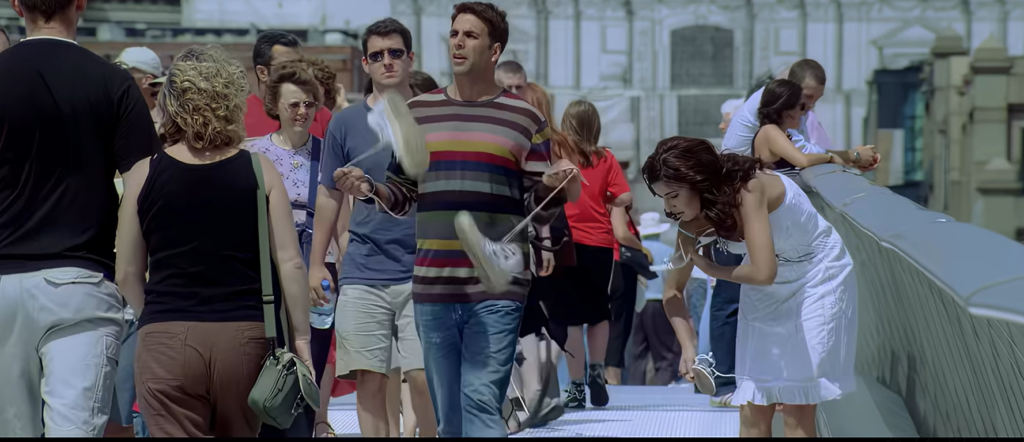
Even more despicable is the complex design of a song where high-pitch and lower octaves were simultaneously included: this evil, that invidiously began in the first decade of the millennium, saw two singers voicing even for a solo filmed on one actor! Rahat Fateh Ali Khan sang Main jahaan rahoon in Namastey London, but the same song’s higher-pitched parts were belted out by Krishna Beura! This song was not lip-synched, but those that are also faced this!
Finally, a negligible quantum of songs today is created for a singer and his or her tone, scale or suitability for the face on screen. When Kalyanji-Anandji created Kasme vaade pyar wafaa from Upkar for Kishore Kumar way back in the 1960s, it had to be majorly tweaked to suit Manna Dey, who finally sang it as Kishore refused to playback for any actor other than Dev Anand or himself! Today, a composer “tries out” many a voice as the song is dubbed on its track. A voice that sounds “correct” (now that has multiple connotations as per the creators and investors involved!!) is finally used!
Now if this is not misuse of technology, I don’t know what is!
Last but not the least, is the employment of a novel or au courant sensation without bothering about either his suitability for the face on screen, or more vitally, his diction. In the olden times, the occasional English word or phrase would be badly sung, but today, common Hindi and Urdu words are brutalized!
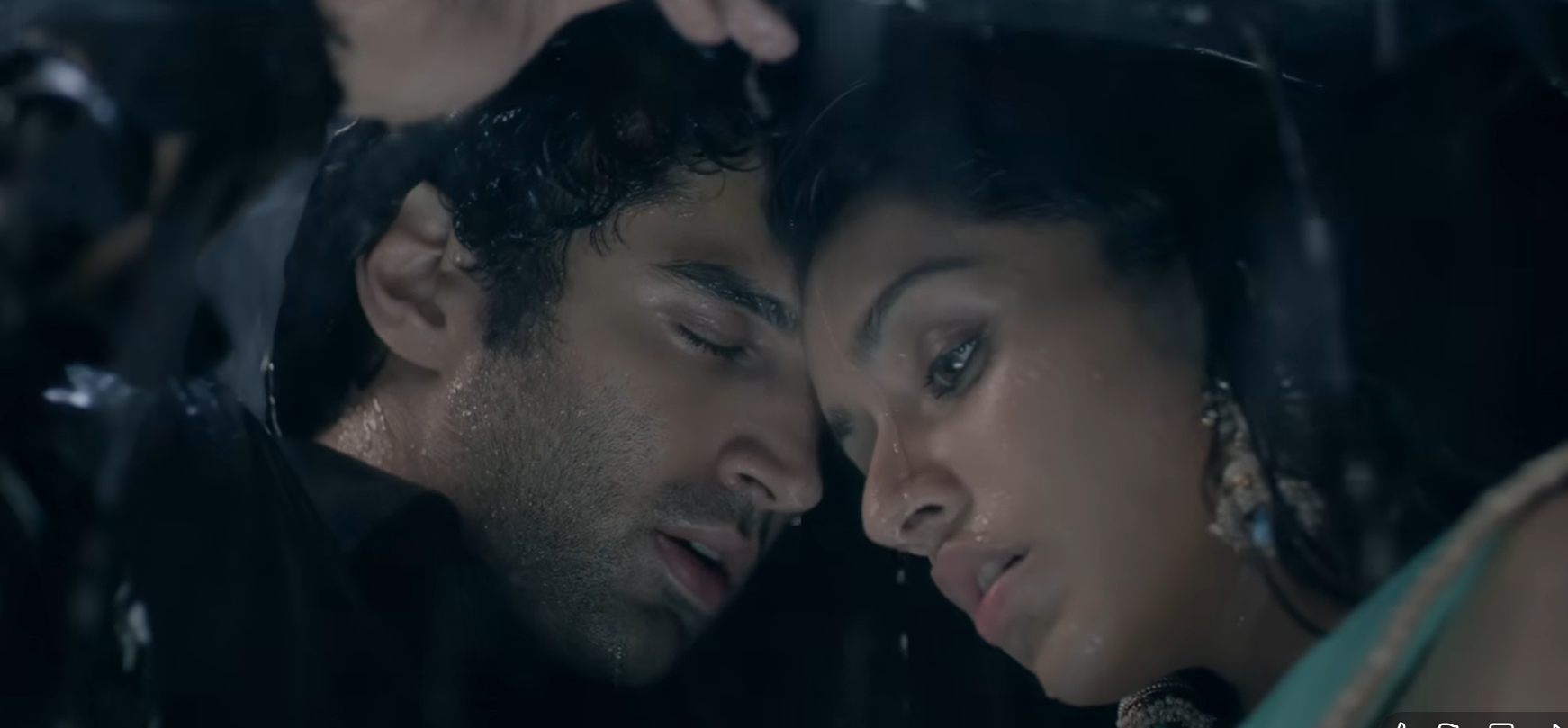
Take the Aashiqui 2 chartbuster Tum hi ho sung by Arijit Singh: the word Tum is clearly pronounced as Thum and, since then, this wave of deliberate mispronunciation has gone viral! Tere is there and Tumhare is thumare and its all now threndy…. Oops! I meant ‘trendy’! All because no one thought of correcting Singh then, maybe for the novel touch!!
In all the other cases, the facts I have mentioned are supported by first-hand stories that sadly cannot be narrated here! But the menace persists.
The other areas of deviance
Social media and digital hype pervade our lives today, and that perpetuates these factors (as well as those mentioned in Part 1 and 2) both actively and passively. In a world rapidly into computers and English in its Americanized version, knowledge of Hindi and Urdu (even if they be mother-tongues for some) is increasingly sketchy.
Add a fast life, exercising at gyms, driving to music and grooving at pubs, and the apathy towards a song’s content has grown out of proportion. After all, songs change every week and the supply must not run out. The times when songs became an intrinsic part of our lives and our landmarks, and were like friends, is, for the time at least, passe.
The digital era has ensured a decrease in permanency as well. When you held a record, cassette or CD in your hand, it was a sacred bond. That bond is broken now. There are replaceable tracks even on one’s pen drive or the music sites online.
And so, as of now, music needs damage-control. Film music, which is around 100,000 songs old since the first talkie, cannot be allowed to reach this low in its essence.
Correct me if I am wrong.