Join WhatsApp Channel

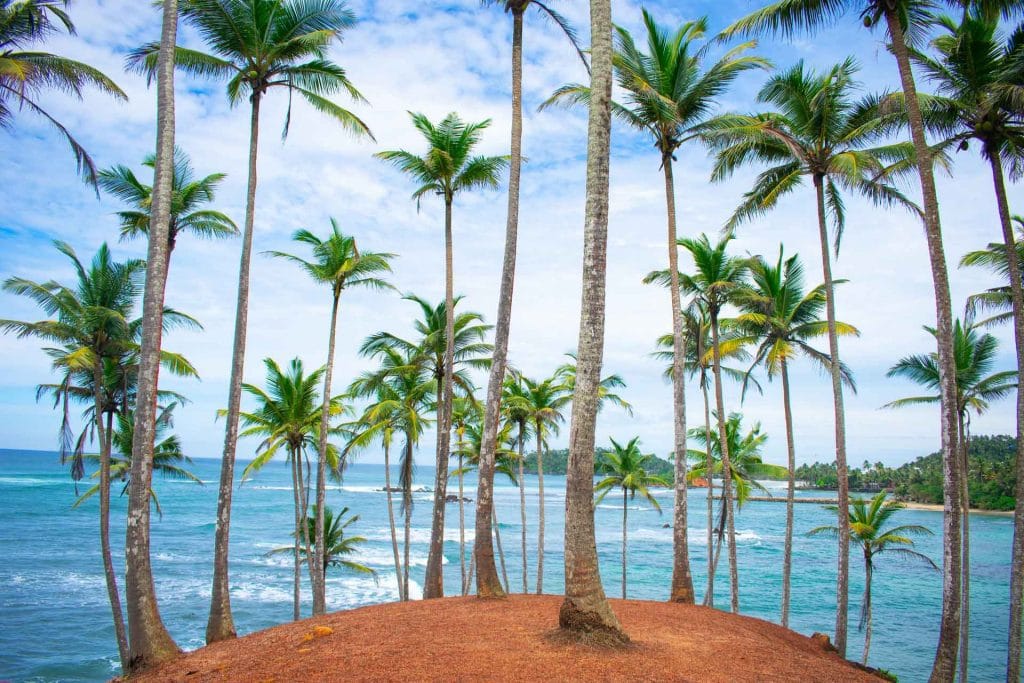
For more than three decades, Sri Lanka’s global image has been shadowed by headlines of war, unrest, and instability. From the civil conflict that defined the late 20th century to the economic crisis and political turmoil that recently dominated the news cycle, the narrative about this small but extraordinary island has often been told through a lens of hardship. And yet, for those who know Sri Lanka; the locals who live here, the diaspora who long for it, and the travelers who discover it, the truth is very different.
Sri Lanka is not a war-torn country. It is a vibrant, resilient, and breathtakingly beautiful island nation, one that deserves to be seen, celebrated, and understood on its own terms. It is not the “new Bali” or the “next Maldives.” It is, quite simply, Sri Lanka: the original island. A land of endless contrasts, where the Indian Ocean kisses golden beaches, where ancient ruins rise from the mist, where wildlife roams free, and where the warmth of the people mirrors the warmth of the sun.
A Missed Opportunity: 30 Years of Silence
Tourism has long been one of Sri Lanka’s most promising economic sectors, contributing significantly to GDP and providing livelihoods for hundreds of thousands. Yet, for over 30 years, this potential remained largely untapped, not because the island lacked allure, but because it lacked a cohesive, strategic global PR and communications framework. During the war years, the international media often portrayed Sri Lanka through a single, narrow lens: a nation in conflict.
Even as peace returned in 2009, the country struggled to shake off that label. In the absence of a strong, unified PR effort, the narrative continued to be written by others; often foreign correspondents reporting crises, rather than Sri Lankan storytellers celebrating triumphs. The result? While neighboring destinations like the Maldives, Bali, and Thailand built powerful global brands that attracted millions of visitors and billions in investment, Sri Lanka remained under the radar; admired, yes, but misunderstood. Our island was talked about, but not truly known.
We Were Once an Island the World Desired
We were once an island so rich, so extraordinary, that Europe and the United Kingdom saw fit to colonize us. Sri Lanka’s location at the heart of the Indian Ocean made it one of the most lucrative shipping routes in the world; a maritime crossroads that connected East and West. Our commodities; tea, cinnamon, spices, and gems, were treasures that drew global attention. Our ancient craftsmanship and our royal dynasties fascinated explorers and traders alike.
From the Portuguese to the Dutch to the British, colonial powers sought to claim this island not for its size, but for its strategic brilliance and natural wealth. This history is not one of defeat; it is proof of value. It is evidence of how globally significant this island once was and can be again. Sri Lanka was once known as Serendib, the origin of the word “serendipity.” That name, given by Persian traders, captured the essence of discovery and wonder.
Today, we must rediscover that identity. The world once sought us out; now it’s time we invite the world back on our own terms.
Rebranding an Island: From Reactive to Proactive
Branding a nation is not about spin. It’s about storytelling. It’s about taking ownership of our narrative and defining what we stand for, instead of letting the world define it for us. A global PR and communications strategy for Sri Lanka must begin with a simple shift, from reactive communication to proactive storytelling. For too long, we have responded to crises rather than led with our strengths. The world hears about Sri Lanka when there are protests, political upheavals, or economic turbulence. But it should be hearing about us for our innovations, our sustainability initiatives, our creative industries, and our people.
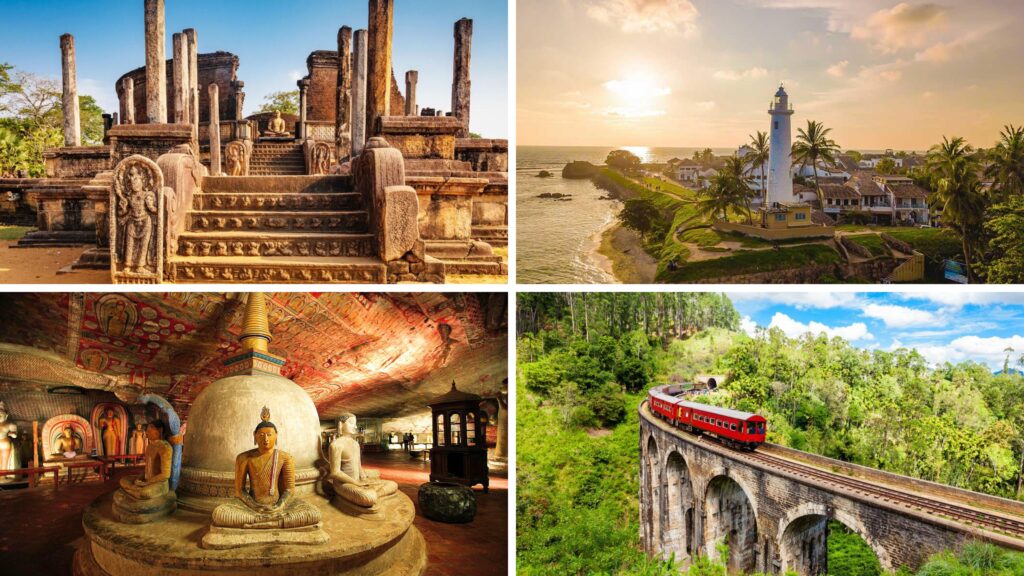
We are a nation of storytellers, artists, and entrepreneurs. Our tea is world-renowned, our cinnamon is unmatched, our gems are prized by royalty, and our cuisine is a fusion of centuries of global trade and local ingenuity. From the spiritual serenity of Anuradhapura to the buzzing nightlife of Colombo, from the misty tea country of Nuwara Eliya to the surf waves of Arugam Bay, there is a story in every corner of this island waiting to be told. A global PR campaign would not merely market tourism; it would reframe identity. It would celebrate Sri Lanka as a modern, multicultural, and creative island that has faced adversity but emerged with grace and grit. It’s time we stopped being known for what happened to us and started being known for who we are.
The Power of National Branding
Global PR isn’t about tourism alone; it’s about reputation. Countries like Japan, South Korea, Iceland, and New Zealand have used strong branding strategies to transcend geography and politics, becoming symbols of quality, innovation, and authenticity. Nation branding, when executed effectively, has a ripple effect across industries. A positive global image attracts not just travelers, but investors, students, entrepreneurs, and cultural collaborations. It builds soft power.
For Sri Lanka, the opportunity lies in redefining itself as the “Original Island,” a place of authenticity, diversity, and timeless beauty. We don’t need to mimic other destinations. We need to highlight what makes us unlike anywhere else. Our heritage dates back thousands of years; older than much of Europe’s recorded history. We are home to the world’s 8th wonder, Sigiriya, the ancient Lion Rock fortress that continues to awe visitors centuries later. We are the custodians of Ayurveda, of ancient dance traditions, of temple architecture and maritime trade that shaped Asia. And yet, in global consciousness, these stories are whispered, not amplified. A universal PR campaign could change that, through consistent branding, storytelling, and visibility across international media, events, and digital channels.
Owning the Narrative
Sri Lanka’s greatest weakness has not been its lack of beauty or culture, it’s been the lack of coordinated communication. Without a central narrative, global perception has been shaped by fragmented voices, most of which focus on our challenges rather than our strengths. It’s time to reclaim control of that conversation.
This means investing in professional PR partnerships, both local and international, that understand how to position a country in the global arena. It means empowering Sri Lankan creatives, journalists, photographers, filmmakers, and content creators to tell authentic stories about their island.
Beyond Beaches: Telling the Whole Story
While tourism is a crucial pillar of the Sri Lankan economy, the country’s image should not be confined to beaches and resorts. Yes, our coastlines are among the most beautiful in the world, stretches of golden sand kissed by turquoise waters, but our story goes far deeper. Sri Lanka offers something truly rare; a microcosm of the world in one island. Within a few hours, one can journey from tropical beaches to mist-covered hills, from bustling city streets to serene wildlife parks. Our biodiversity rivals that of entire continents.
We have leopards in Yala, elephants in Minneriya, whales off Mirissa, and indigenous horses in Delft. Our flora and fauna are unique, our ecosystems are rich, and our sustainability potential is immense. In an era where travelers seek authenticity and responsibility, Sri Lanka can position itself as a global leader in sustainable tourism, eco-conscious living, and cultural preservation. But that story needs to be told; consistently, creatively, and compellingly. A global PR campaign can weave these threads together into a cohesive tapestry that captures hearts and minds worldwide.
Resilience as Our Brand DNA
Resilience is a story that resonates globally. After decades of conflict and crisis, Sri Lanka continues to rise, again and again. This resilience is not just political or economic, it is cultural and emotional. It’s in the way communities rebuild after tragedy, the way small businesses adapt, the way artists and writers continue to create beauty even in hardship. From a PR perspective, resilience can be Sri Lanka’s core brand DNA. Our message to the world could be one of endurance, hope, and renewal. We have faced war, natural disasters, and financial crises, but through it all, our spirit has remained unbroken. That spirit deserves to be celebrated, not pitied. We are not victims of our past; we are authors of our future.
A New Kind of Soft Power
In an increasingly competitive global landscape, soft power, how a country influences others through culture, values, and reputation, has become as important as military or economic power. Sri Lanka has the ingredients to become a soft power success story: our hospitality, culture, design, music, cuisine, and spirituality all have universal appeal. But soft power doesn’t emerge organically, it must be nurtured through strategic PR and communication.
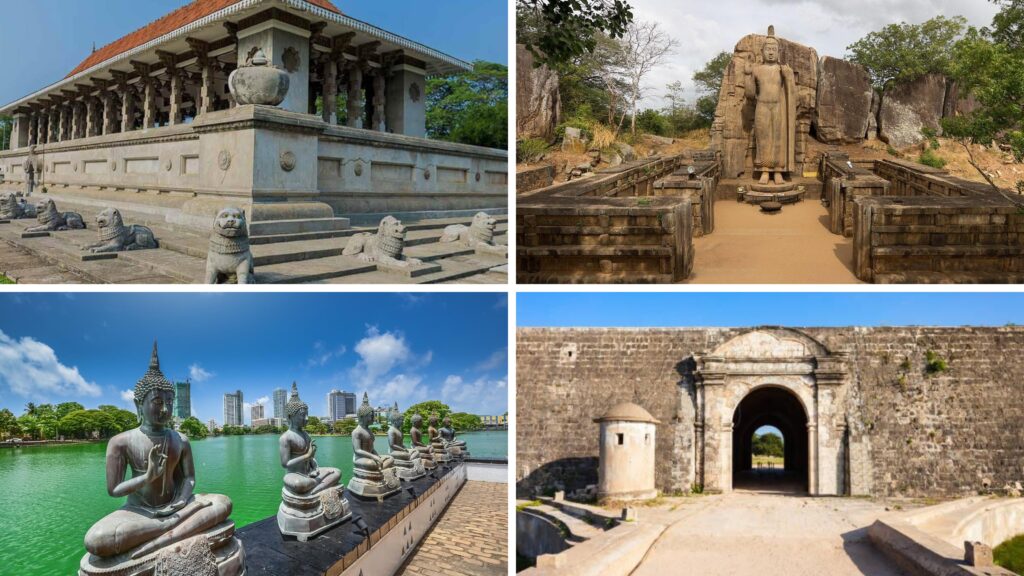
Imagine Sri Lankan cuisine gaining the same global recognition as Thai, Korean or Japanese food. Imagine Ceylon tea being positioned not just as a beverage, but as a lifestyle brand. Imagine our artisans and designers featured in global exhibitions. Imagine international investors drawn not by necessity but by admiration. This is what a global PR strategy can achieve, transforming admiration into engagement, and engagement into opportunity.
The Role of Storytellers
Every nation has its storytellers, but Sri Lanka’s are particularly gifted. From internationally acclaimed writers like Michael Ondaatje, to visionary entrepreneurs such as Malik Fernando, Anil Hirdaramani, Mahesh Amalean, Hari Selvanathan, Otara Gunewardene, Priyanjith Weerasooriya, Abbas Esufally, and Ishara Nanayakkara, our people have long carried the island’s spirit into the world. Our artists; George Keyt, Senaka Senanayake, and Anoma Wijewardene, have captured the vibrancy of our culture on canvas, while sporting legends like Kumar Sangakkara, Mahela Jayawardene, and Muttiah Muralitharan have embodied discipline, grace, and excellence on the global stage.
Corporate leaders like Kasturi Chellaraja and Shamara Wickremanayake have redefined leadership with purpose and integrity, and new-generation influencers such as Yohani and Shanelle Rodrigo, are taking Sri Lanka’s voice to international audiences. Together, they prove that Sri Lankans have an extraordinary ability to capture imagination through words, visuals, and emotion; to tell stories that move, inspire, and connect the world to this remarkable island. A successful global branding strategy must bring together these voices, across media, diaspora, and industry, to create a chorus that sings the same message; Sri Lanka is magical. Sri Lanka is original. Sri Lanka is back.
Why Now?
Timing is everything. After the global disruptions of the past few years, the world is ready for new destinations, new stories, and new beginnings. Travelers today crave authenticity over artifice; they seek places with soul, not just scenery. Sri Lanka, with its deep spirituality, diverse experiences, and genuine warmth, is perfectly positioned to meet this moment. The island has already been featured on numerous “world’s best” lists, from Condé Nast Traveler to Lonely Planet, but those accolades must be translated into sustained visibility and emotional connection. Now is the time to move from sporadic mentions to sustained storytelling. To move from being discovered to being desired. To move from “that island with a troubled past” to “that island everyone is talking about.”
Celebrating the Original Island
At the heart of Sri Lanka’s rebranding must be authenticity. We are not the “next” anything. We are not the “new Bali” or the “other Maldives.” Those comparisons, though flattering, diminish what makes us unique. We are Sri Lanka; the Original Island. The island of cinnamon and sapphires. The island where leopards prowl, whales dance, and tea fields roll endlessly into the horizon. The island where every smile tells a story, and every meal feels like home. Our brand should reflect this originality. It should be rooted in our heritage but styled for the modern world. It should speak to travelers, investors, and dreamers alike. And it should make every Sri Lankan proud.
The World Is Listening: It’s Time to Speak
For too long, Sri Lanka’s story has been told by others. It’s time we took back the pen, and reposition our island as a beacon of beauty, resilience, and originality. This can change perception, inspire investment, and restore pride. It can ensure that when the world talks about Sri Lanka, it talks about our beaches, our culture, our cuisine, our art, and our people; not just our past struggles. Sri Lanka is not a war-torn country. It is a wondrous, resilient, and magical island; home to one of the oldest civilizations, richest biodiversity, and warmest hearts on Earth. The world already knows our name. Now, we must tell them our story. It’s time to celebrate Sri Lanka; the Original Island, the Pearl of the Indian Ocean, the story waiting to be told.
Disclaimer: The opinions and views expressed in this article/column are those of the author(s) and do not necessarily reflect the views or positions of South Asian Herald.
Related posts:
 Building Bridges Across Continents Through Storytelling and Strategy
 Cyclone Ditwah Exposes the Cracks in Sri Lanka’s Recovery, Moody’s Says, as Economists Warn of a ‘Re-Default Trap’
 A Nation of Storytellers: Why Sri Lanka’s New PR Body Signals a Country Reclaiming its Narrative
 Sri Lanka Food Festival Highlights Cuisine, Culture in Chennai