Join WhatsApp Channel

When the call came, Meera was sure it was another update telling her to “keep praying.” Her husband, Amit, had been on the liver transplant waiting list for months. Each day was a careful balance between hope and exhaustion. This time, however, the doctor’s voice sounded different. “I am Doctor Umang. We may have found a suitable liver,” he said. “It’s from a young man who was declared brain-dead after a road accident. His family has agreed to donate his organs.” For Meera, that one sentence felt like a lifeline thrown into a sea of despair.
Behind that miracle was another family, standing in an ICU corridor, staring at machines that still showed a beating heart and moving chest, and yet hearing the words no one is prepared for: “Your son is brain-dead.” The monitors around them blinked and beeped as if nothing had changed, but the doctors explained gently that his brain had permanently stopped functioning. He would never wake up, never speak again, never come home. In that moment of unbearable grief, they were asked to consider something almost unimaginable—would they allow his organs to be donated, so that others could live?
In India, this moment of decision is where many potential transplants are lost. Families often struggle to accept brain death because, to the eye, the person still looks alive. The skin is warm, the chest rises with each ventilator-assisted breath, the heart continues to pump. Yet medically and legally, brain death is defined as death: there is no possibility of recovery. For many relatives, the idea of organ donation at this point feels like “giving up” or even “harming” their loved one, when in reality, it is the only way their organs can remain in the best possible condition to save others.
What makes organs from brain-dead donors so special? When a person is brain-dead but still on life support, the heart continues to push oxygen-rich blood into the liver, kidneys, heart, lungs and other organs. These organs are still working; they are simply in a body whose brain can no longer direct life. Surgeons can carefully retrieve these organs while they are well perfused and healthy, giving recipients a far better chance of survival and long-term recovery. By contrast, when a person dies and the heart stops, blood flow ceases. Within minutes, tissues start to deteriorate, and the quality and “acceptance rate” of those organs for transplantation fall sharply. Living donors, on the other hand, can only donate parts of certain organs—such as one kidney or a portion of the liver—because the rest is needed for their own survival.
Amit’s case, like thousands of others, reflects this medical reality. The liver he received from a brain-dead donor was functioning and nourished until the very moment it was transplanted. Within days, his yellowing eyes began to clear, his energy slowly returned, and the fear that had tightened around his family for months started to loosen. For them, the anonymous donor’s family became a quiet, unseen presence in their lives. “How do you thank someone you will never meet,” Meera often wondered, “for giving you back your husband?”
On the other side of the story, the donor’s parents had their own journey. At first, the word “brain-dead” sounded like a technical term, one more medical label in a stream of bad news. They clung to the faint hope that their son might still hear them, that some miracle might occur. It took time, multiple conversations with doctors, and the courage to ask difficult questions before they understood that brain death was final. When the transplant coordinator gently explained how many lives their son could save—how his heart could beat in someone else’s chest, how his kidneys could free two people from the prison of dialysis, how his liver and lungs could pull others back from the edge—they began to see a fragile meaning in their loss.
“I realized that if we said no, all those healthy organs would simply be buried or burned,” the father later recalled. “He always wanted to help people. This was his last chance to do that.” The mother added, “I won’t see him walk into the house again, but somewhere, his heart is still beating. That thought keeps me going.”
Stories like this are not rare in developed countries; they are the backbone of successful organ donation systems. In nations such as the USA, the UK and several European countries, years of awareness campaigns, clear laws and strong hospital protocols mean that families are informed and supported at exactly this critical moment. They understand what brain death means, they have often heard about organ donation long before any personal tragedy, and many people have already discussed their wishes with their loved ones. As a result, the number of organs available from brain-dead donors is far higher, and thousands more patients receive transplants every year.
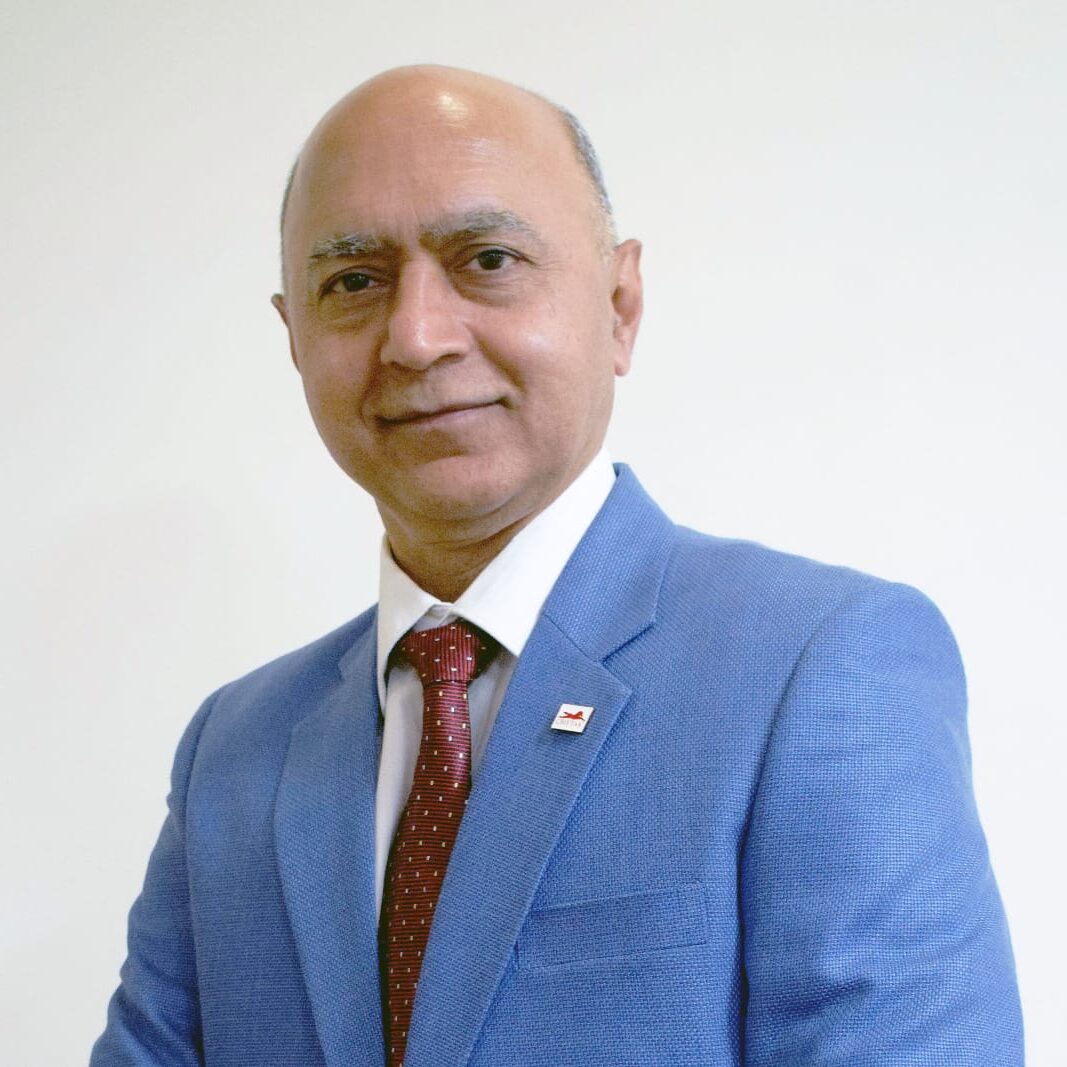
Dr Umang Arora, DM (Gastro) AIIMS and A Fellow at Mayo clinic, USA opines, “When we compare these with India’s deceasing (mostly brain-dead) donation rate, which has generally been in the low single digits per million, we realise that with better awareness of brain-dead donation, India could potentially move closer to US–UK–European levels and save thousands more lives each year.”
In India, the science and surgical skills exist, and large public and private hospitals perform world-class transplants. What is missing is not medicine, but mindset. There is still a deep cultural hesitation, a sense of taboo and fear around the idea of “taking organs” from someone who looks alive but is medically gone. Many families simply have never considered the possibility until it is suddenly presented to them in a moment of shock and grief.
That is why awareness must move beyond slogans and posters into conversations at dining tables, in schools, in community gatherings and workplaces. People need to know, well before any crisis, that:
- Brain death is legally and medically recognized as death.
- Organs retrieved from brain-dead donors have the best chance of saving lives.
- One brain-dead donor can save several people and improve the quality of life for many more.
Most importantly, families should talk openly about their wishes. If a person has clearly expressed, “If anything ever happens to me, I want my organs to help others,” it becomes much easier for relatives to take that brave decision when the time comes. It transforms organ donation from a sudden, overwhelming question into a heartfelt act of fulfilling a promise.
Amit now plays cricket again with his children, something that once seemed impossible. He doesn’t know the name of the young man whose liver he carries, but every year, on the anniversary of his transplant, his family lights a candle and says a quiet prayer for the donor and his parents. Somewhere, perhaps in another city, that family may still be grieving. Yet they can also hold on to the knowledge that their son did not simply die—he lives on in many others.
If more people understand this, and more families find the courage to say “yes” to organ donation after brain death, countless stories like Amit’s could unfold across the country. In the space between loss and love, a simple decision can turn one life’s ending into many new beginnings.
Disclaimer: The opinions and views expressed in this article/column are those of the author(s) and do not necessarily reflect the views or positions of South Asian Herald.
Related posts:
 Sunil Gavaskar Supports AAPI Stem Cell Donor Drive to Expand Registry for Blood Cancer Patients
 The Mind-Brain Problem and Its Connection to South Asian Teens
 Raja Krishnamoorthi Urges EPA to Reverse Delays on Hazardous Chemical Safety Rules
 The Silent Epidemic: Why South Asians Face a Higher Risk of Heart Disease