Join WhatsApp Channel

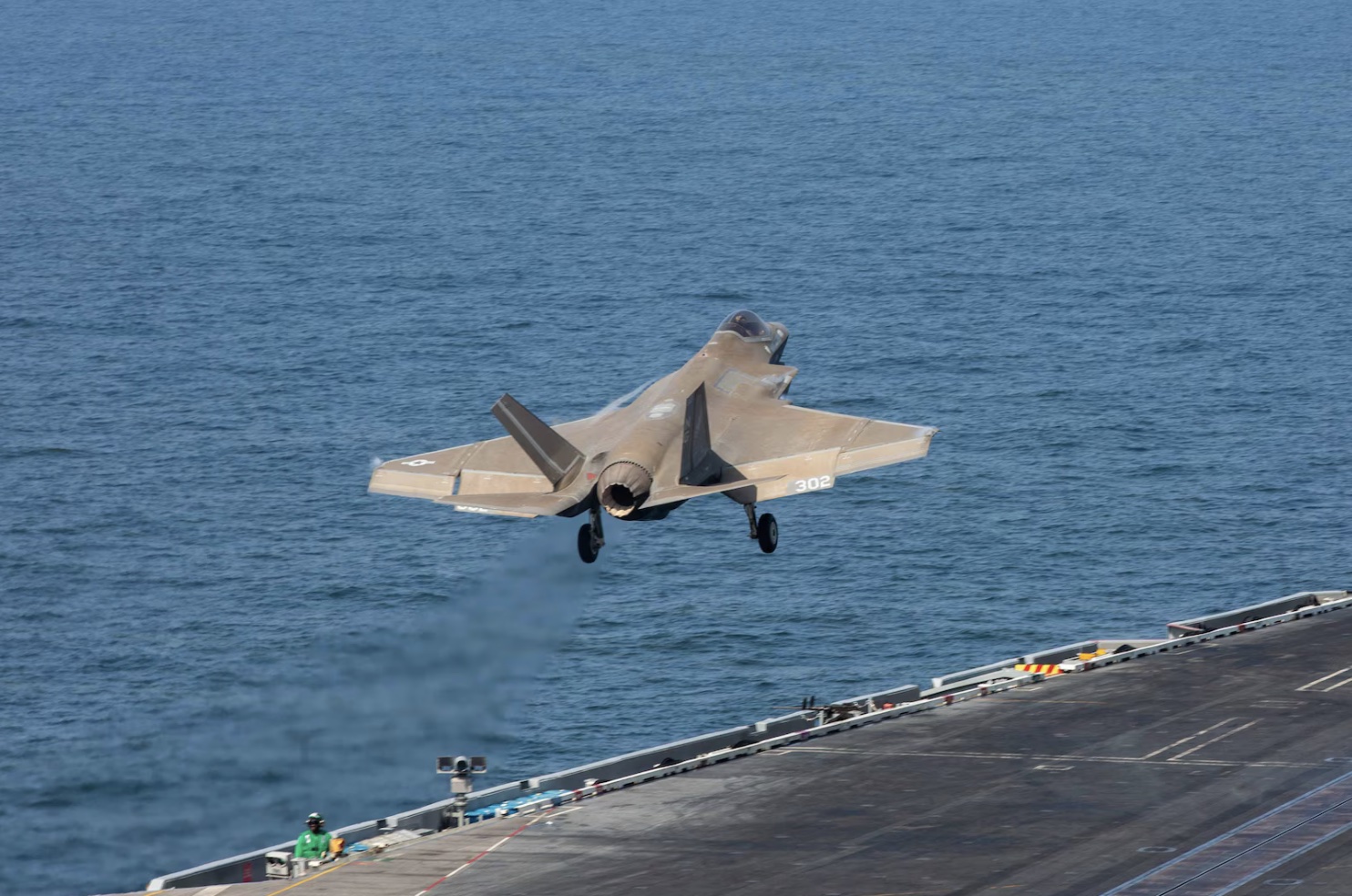
Regime change by any other name is still regime change. Going after Iran’s nuclear program was nothing more than a ruse, it appears. For close to two months now the Unite States has been piling naval and air resources in the Middle East going much beyond the two aircraft carriers and their accompaniments in place right now. In the final analysis none of the fortified bunkers of where the nuclear reactors were the targets. Rather a building in the middle of a neighborhood where in a room the top leadership had gathered for a meeting.
It was not by fluke that missiles hit the place; rather a well calculated target based on apparently months of intelligence gathering, not just by satellites and electronics but by human intelligence as well, perhaps a tip off by a mole. For a brutal regime that was known for its craftiness, it never calculated that it could meet its end by bungling on the first rule of crisis decision making: never have all players assemble in one place. Second, do not always place bets on past sequencing. Apparently, all of Israel’s attacks had taken place at night and Tehran was looking at this scenario. But the missile attack on Ayatollah Ali Khamenei and other officials was in the morning.
Right now, no one in Washington, Tel Aviv or elsewhere is celebrating the intelligence success. Rather the focus is on the political and security damage that has come about to the region and beyond. Here is a President of United States, Donald J Trump who has long derided and ridiculed what he saw wasting resources and time on nation building and regime change. Even as early as 2016, candidate Trump had argued “We must abandon the failed policy of nation building and regime change that Hillary Clinton pushed in Iraq, Libya, Egypt and Syria” arguing that toppling regimes without proper plans only created “power vacuums that are simply filled by terrorists.”
Even when the Trump administration was putting forth its nuclear deal scenario at the time of the military buildup in and around the Gulf, not many took this at face value. For it would seem to contradict what the President himself had repeated several times in the aftermath of the June 2025 B2 hits on Iranian nuclear sites—that these facilities had been “obliterated,” a characterization that many including in the intelligence community would touch with a barge pole. Now going back to hit the sites again would only raise questions of a White House having misled the nation some eight months before. Hence the thinking that the whole nuclear deal scenario including the drawn-out negotiations in the Middle East and Geneva were nothing more than a smokescreen. In fact, word was even out that Iran was coming around to a broad set of principles for an accord.
What is unfolding in the Middle East is troublesome, to say the least. Weak as it may be, Iran has struck targets in a number of Gulf nations and has held out the possibility of more such attacks forthcoming. Further shipping in the Straits of Hormuz—where some 30 percent or more of global oil transits—is now the focal point of attention. The barrages of missiles and drones could be yet to play out fully and the region is undoubtedly on the edge, few convinced of a weakened regime but apprehensively looking at how a wounded Teheran might up the ante, not worrying about the costs that it could inflict on its own population.
What President Trump rightly said in 2016 about not having proper plans in pushing for regime change could actually come to haunt Washington and Tel Aviv now. On the one hand some will argue that few will shed tears in the exit of a brutal cleric in Ayatollah Khamenei, his cohorts and commanders of the Iranian Revolutionary Guard that many see as having blood in their hands by way of unleashing violence within the country. Further the regime in Tehran has bankrolled many a terrorist outfit in the region finding them as convenient proxies.
The bloodshed unleashed by Israel in the Gaza took care of the Hamas and the Hezbollah has been shown its place; and so have the Houthis of Yemen. The fall of the regime of Bashar al Assad in Syria was yet another blow to Tehran for it lost a vital shoulder to lean on and vice versa. And sadly, Iran has learnt a bitter lesson: that its “finest” allies in Russia and China have remained steadfast in paper only. But for loud noises neither President Vladimir Putin nor President Xi Jinping lifted their little fingers. And all the din that is likely to be made in the United Nations and elsewhere in world capitals comes down to meaningless and empty rhetoric.
In ways more than one, Iran is back on the throes of instability for the reason that the occasional bursts of dissent against the clerics had produced neither a sustainable movement nor a leader. In 1979 when the then Shah of Iran was being shown the door in a highly unceremonious way, Ayatollah Ruhollah Khomeini came from exile and was seen as the immediate successor to a regime that had no business even being there. The takeover of the American Embassy complex and holding 52 hostages kept the game going until January 1981 when President Ronald Reagan came to the White House. Keeping the bogey of the Great Satan alive the clerics consolidated their power and simultaneously tightened the noose on democracy, freedom and what not.
Iranians are still recovering from the dizzying events of the last two days with few indications of the emerging power scenarios. But getting someone to sign on the dotted lines is not going to be easy for Washington knows that Iran is a much different cup of tea with an incoming leadership meekly surrendering away its regional and global aspirations. As far as President Trump is concerned some have already started reminding him of a post he put down in October 2012: “Now that Obama’s poll numbers are in a tailspin—watch for him to launch a strike in Libya or Iran. He is desperate.”
Disclaimer: The opinions and views expressed in this article/column are those of the author(s) and do not necessarily reflect the views or positions of South Asian Herald.