Join WhatsApp Channel

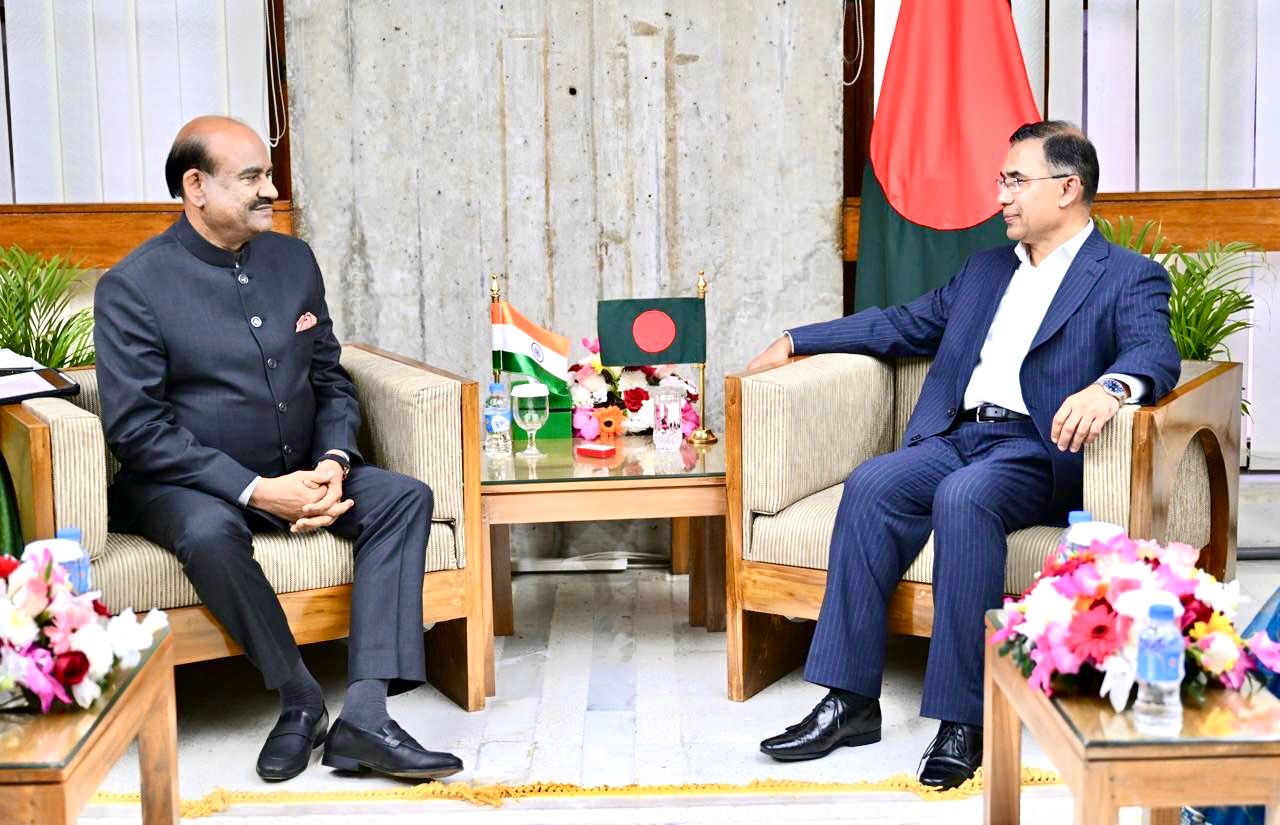
Indian Prime Minister Narendra Modi’s recent outreach to Tarique Rahman Prime Minister of Bangladesh, marks a notable shift in New Delhi’s political calculus. For years, India has been seen as placing most of its diplomatic eggs in the basket of Bangladesh’s Awami League. Opening channels to Rahman signals not sentiment, but strategy.
First, Indian foreign policy in South Asia has become more pragmatic than ideological. New Delhi has learned, sometimes the hard way, that betting on a single political actor in a neighboring country can limit influence when domestic tides turn. By engaging Rahman, Modi is hedging against political change in Dhaka and ensuring that India is not caught flat-footed if power equations shift.
Second, Bangladesh’s internal politics are entering a phase of uncertainty. Electoral legitimacy, economic pressures, and public discontent have widened political fault lines. Tarique Rahman remains a polarizing figure, but he is also a central node in Bangladesh’s opposition ecosystem. Ignoring him would mean ignoring a significant constituency. Outreach allows India to read the mood of the opposition directly rather than through intermediaries.
Third, security considerations loom large. India’s core interests in Bangladesh revolve around border stability, counterterrorism cooperation, and the containment of anti-India militant networks. While the BNP historically had a more ambivalent relationship with New Delhi, it also governed during periods of functional security cooperation. Dialogue with Rahman is a way to signal that India’s red lines are institutional, not partisan.
Fourth, regional geopolitics are pushing India to diversify its partnerships. China’s expanding footprint in Bangladesh’s infrastructure, defense procurement, and political networks has unsettled Indian strategists. Maintaining lines of communication with all major Bangladeshi political forces reduces the risk of any future government drifting decisively toward Beijing. Outreach is therefore a pre-emptive balancing move.
Fifth, Modi’s personal diplomacy style favors direct engagement. From Nepal to Sri Lanka, New Delhi has shown a willingness to talk across political divides, even with actors previously viewed with skepticism. Reaching out to Rahman fits this pattern: engage early, engage broadly, and avoid moralistic postures that reduce room for maneuver.
This does not mean India is abandoning the Awami League or rewriting history. Relations with Dhaka under Sheikh Hasina have delivered tangible gains, from connectivity to energy cooperation. But mature diplomacy allows for parallel tracks. Talking to the opposition is not disloyalty; it is insurance.
For Bangladesh, the outreach carries its own message. It subtly encourages political pluralism and signals that external partners are watching the quality of democratic processes. For the BNP, it offers a chance to recalibrate its image in New Delhi and reassure Indian policymakers about continuity on key bilateral issues.
Ultimately, Modi’s outreach to Tarique Rahman reflects a sober assessment of regional realities. South Asian politics are fluid, personalities matter, and influence must be cultivated before it is urgently needed. By opening a door that had long been kept shut, New Delhi is not choosing sides; it is choosing relevance.
Disclaimer: The opinions and views expressed in this article/column are those of the author(s) and do not necessarily reflect the views or positions of South Asian Herald.