Join WhatsApp Channel

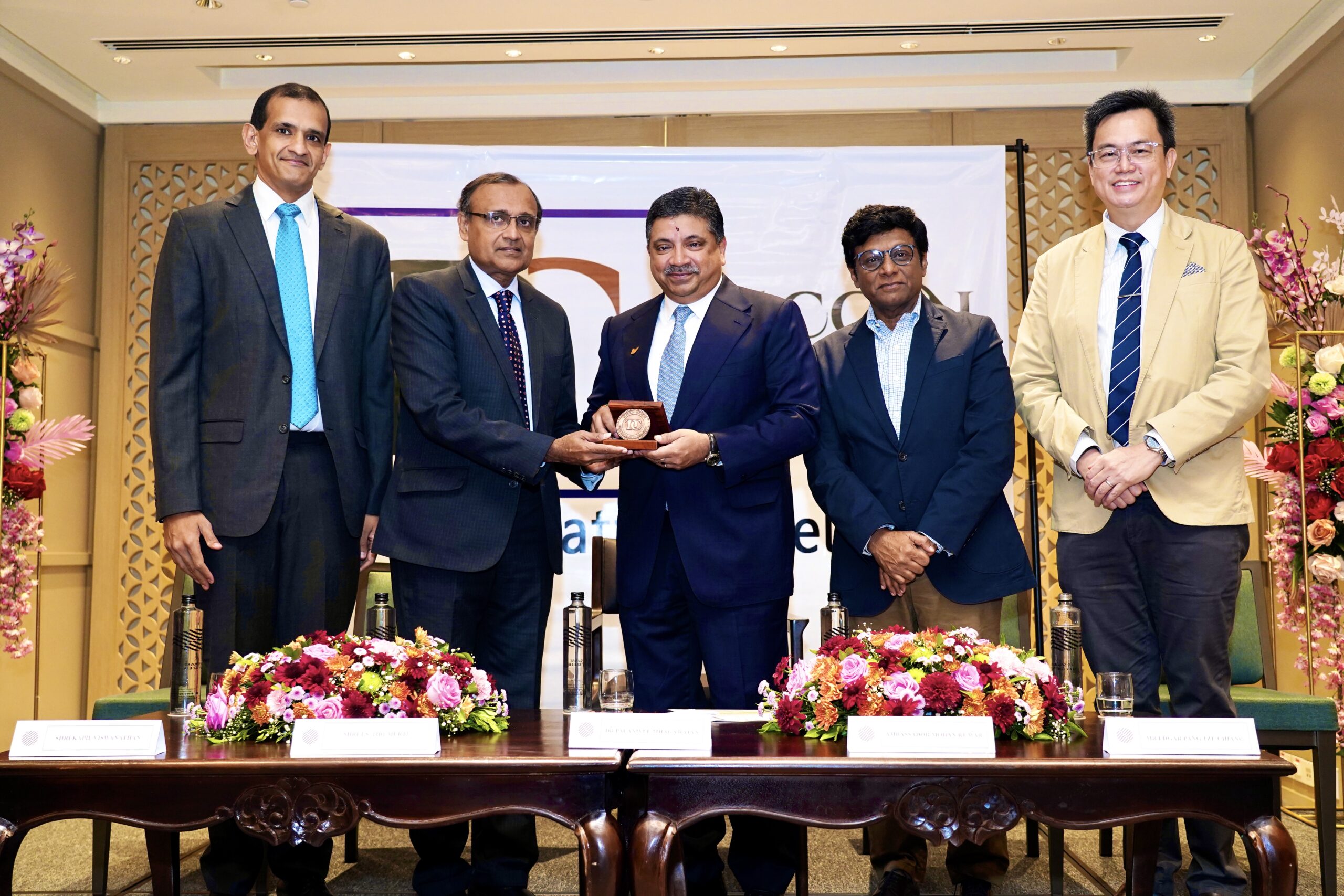
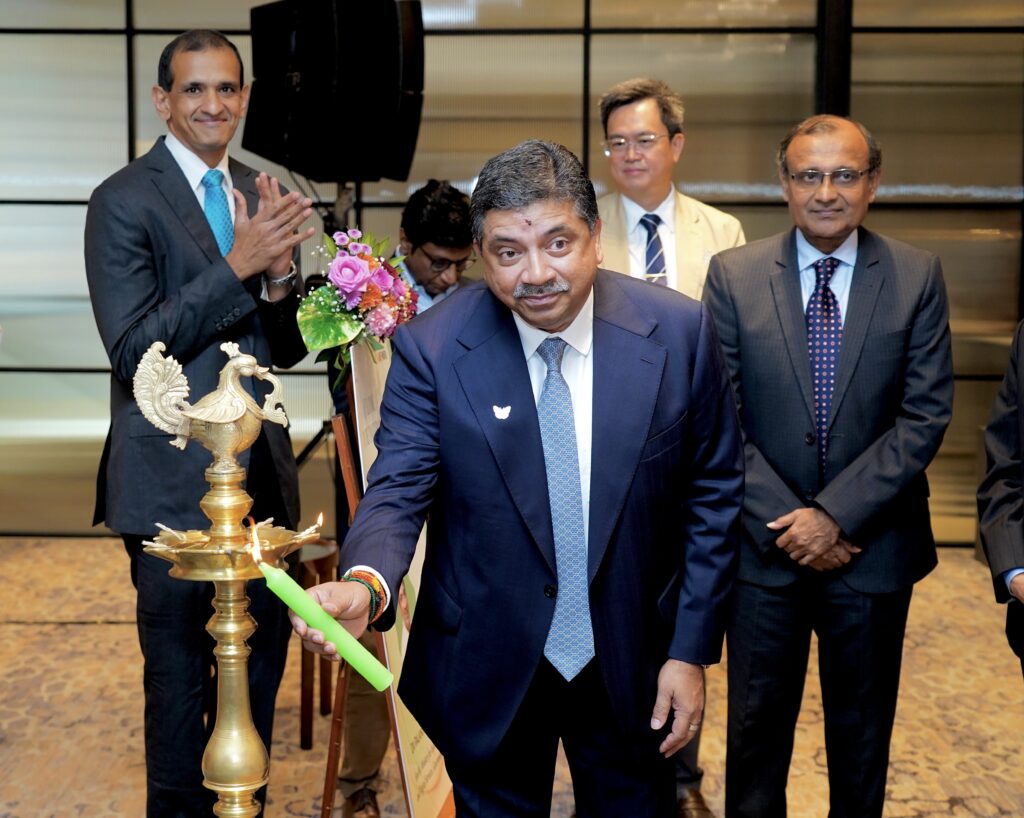
The Deccan Centre for International Relations (Deccan Centre), an independent think tank under the Institute for Financial Management and Research (IFMR), was formally inaugurated on January 30, 2026, at the Pullman Chennai Anna Salai in Chennai, India.
According to a statement from the organization, the launch marks a milestone in providing focused attention to the global role and priorities of South India. This includes the five states of Andhra Pradesh, Karnataka, Kerala, Tamil Nadu, and Telangana, as well as the Union Territories of Andaman and Nicobar Islands, Lakshadweep, and Puducherry.
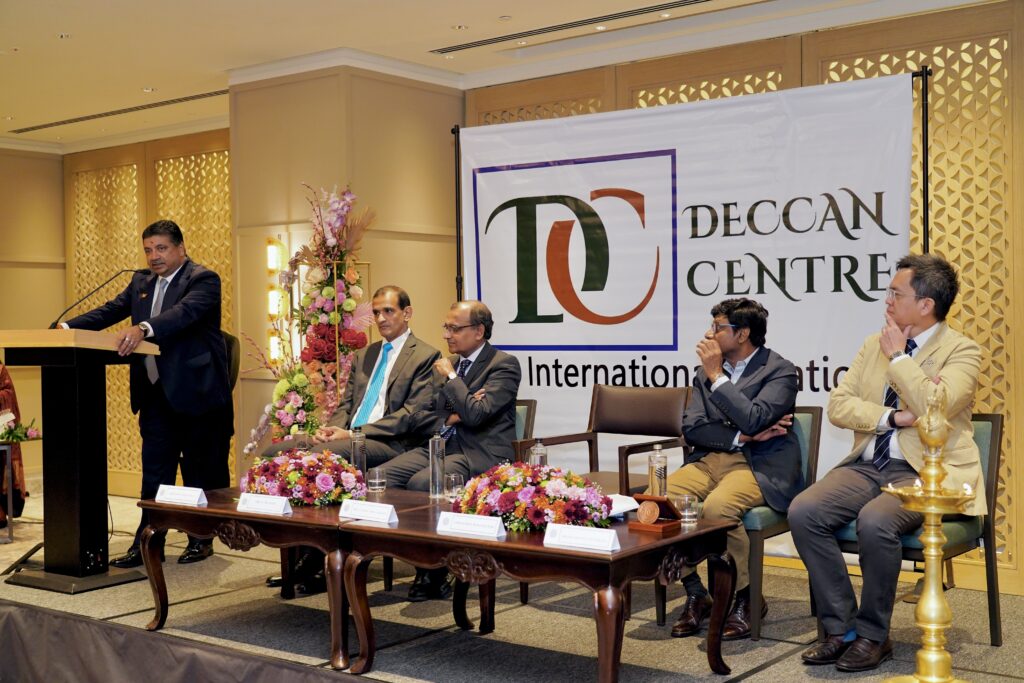
The statement noted that the Centre will focus on three primary verticals: geopolitics, technology, and business. It will also address cross-cutting areas such as the diaspora and environmental issues. The Deccan Centre aims to highlight South India’s “distinctive strengths in geopolitics as well as in digital and emerging technologies, trade and investment, maritime security, environment, diaspora, public policy, innovation and more.”
It further stated that the Centre seeks to strengthen engagement with the “Global South and foster deeper mutual understanding with international partners within the broader framework of India’s foreign policy.” This approach aligns with the Government of India’s emphasis on extending foreign policy and global engagement to the states.
The inaugural address was delivered by Minister for Information Technology and Digital Services, Government of Tamil Nadu, Palanivel Thiaga Rajan, who welcomed the establishment of the Centre in Chennai. Referring to South India’s historical global linkages, he highlighted Tamil Nadu’s emergence as India’s leading exporter of electronics, driven by rapid growth in manufacturing, particularly in smartphones and components.
The Minister noted that Tamil Nadu’s electronics exports have increased by nearly 700 percent in the period following Covid. He also emphasized how think tanks such as the Deccan Centre can complement and support the efforts of the Government of Tamil Nadu.
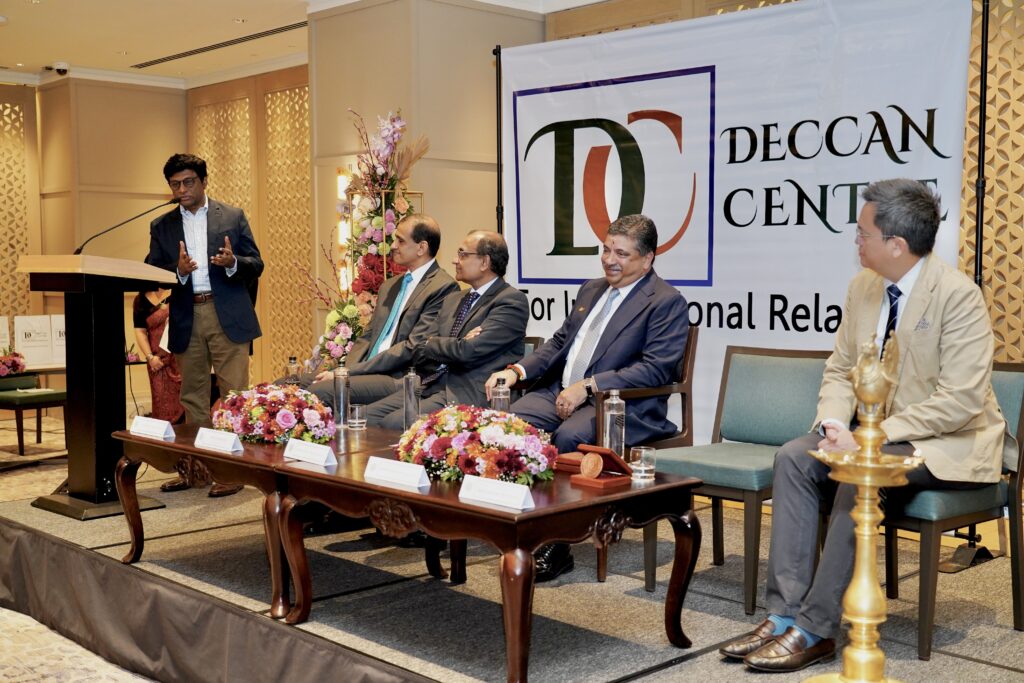
The keynote address was delivered by Ambassador Mohan Kumar, IFS (Retd.), Dean and Professor at O.P. Jindal Global University and Director General of the Motwani Jadeja Institute for American Studies. He discussed the current geopolitical landscape, describing the state of geopolitics as being “on steroids.”
Ambassador Kumar spoke on the strategic importance of the recent India-EU Free Trade Agreement and referred to ongoing US-China tensions under Trump 2.0, including the United States maintaining “strategic ambiguity” in its relationship with China. He also highlighted India’s “sober and firm” response to challenges, including the imposition of tariffs.
In a special address, Consul General of Singapore in Chennai, Edgar Pang Tze Chiang, spoke about the close bilateral ties between India and Singapore, particularly with South India and Tamil Nadu, across multiple sectors. He referred to ongoing collaborative projects in South India and outlined opportunities for deeper cooperation, especially in “technology, trade and investment and maritime domains.”
Former Permanent Representative of India to the United Nations in New York and Chair of the Deccan Centre Steering Committee, Ambassador T.S. Tirumurti, IFS (Retd.), outlined the Centre’s vision and forthcoming initiatives. He emphasized the importance of adopting a more granular approach to South India’s international engagement.
President of IFMR and a Governing Council Member of KREA University, Kapil Viswanathan, spoke about IFMR’s initiatives through KREA University and eight other IFMR centres. He reiterated IFMR’s commitment to pragmatic and policy-oriented action through the Deccan Centre.
Headquartered in Chennai, the Deccan Centre is India’s first think tank exclusively dedicated to the international relations of South India. According to the statement, the Centre will undertake policy dialogues, podcasts, publications, research, and collaborative projects to strengthen links between South Indian stakeholders and the global community.
The inauguration was attended by a wide cross-section of participants, including diplomats, policymakers, academics, industry leaders, and media representatives.
Related posts:
 Tamil Nadu 2026: When Silence Becomes a Verdict
 Tamil Nadu Gears Up for FIH Junior Men’s Hockey World Cup in Chennai and Madurai; Trophy Tour and Mascot ‘Kangeyan’ Launched
 FIH Junior World Cup Hockey: India to Play Pakistan on November 29
 US Lawmakers Honor Tamil American Heritage and Community Contributions at Capitol Hill Event