Join WhatsApp Channel

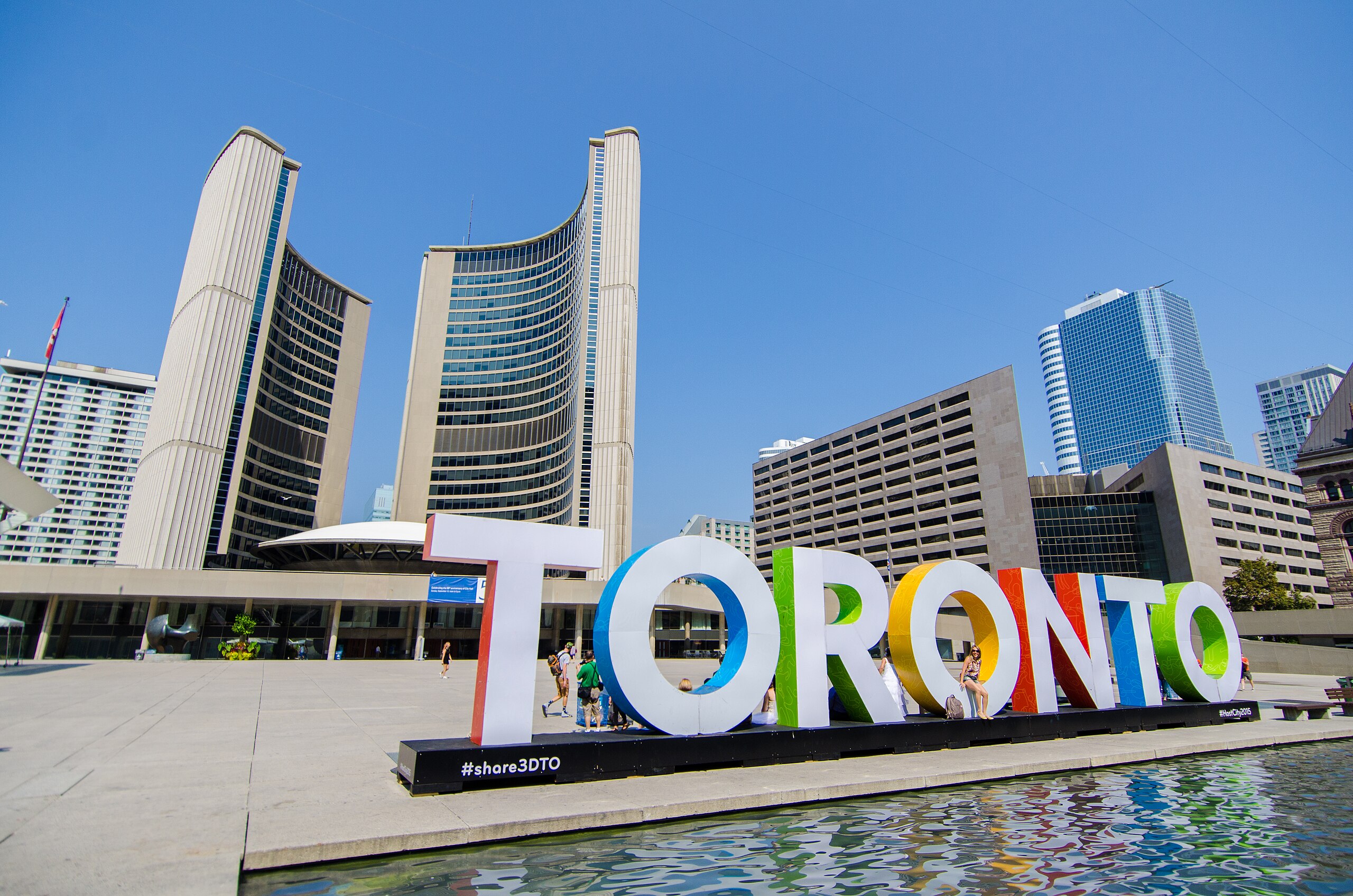
Many Torontonians who had hoped to wake up to snow-covered streets on Christmas morning were met with an unexpected sight. Instead of the familiar blanket of white, the city appeared bare and brown, with no snowfall to mark the holiday. Meteorologists offered limited consolation, forecasting a return of snow by Friday, Boxing Day.
In recent years, December has seen less snowfall compared with previous decades. Last year, only 76 percent of Canadians experienced a white Christmas. Environment Canada defines a “white Christmas” as having at least 2 centimeters of snow on the ground by 7 a.m. on December 25.
“I have never seen such a dry Christmas day ever since I moved to Canada more than 50 years ago,” recalls S P Singh, adding, “We used to love trudging through ankle-to-knee-deep snow on the morning of December 25. But for the last few years, the quantum of snowfall has been coming down. There had been occasions when it did not snow as much as expected, but still, we normally had a white Christmas. The snow depth has been shrinking over the years.”
Newspapers and social media platforms across the country carried special coverage on snow skipping Christmas Day in several parts of Canada, linking the phenomenon to broader ecological and environmental degradation.
Environmentalists largely agree that thinning snow cover is closely tied to rising December temperatures. Many attribute this trend to the human contribution to global warming, noting that even modest increases in temperature can significantly reduce snowpack levels.
Beyond its visual appeal, snowfall plays a critical economic role. Snowy landscapes support thousands of jobs in the tourism and hospitality sectors, as winter conditions are a major draw for visitors to towns and cities across Canada.
Some environmental experts also point to increased rainfall in December, which limits snow accumulation and leaves streets bare on Christmas Day. Snow forms high in the atmosphere, but its ability to reach the ground as snow depends on temperatures in the air layers below.
“If the lower layers are warm, the snow melts into rain. And if the temperature stays cool all the way down to earth, it remains snow,” Canadian media quoted Lawrence Mudryk, a scientist at Environment and Climate Change Canada, as saying.
Mudryk attributes the broader shift from snow to rain during winter to climate change. He says that if more rain falls before Christmas in the future, it will further reduce the amount of snow accumulated by the holiday.
In Toronto, Canada’s business capital, long-term and recent averages show little change in snow depth on Christmas Day. However, that stability masks wide year-to-year variation. According to a Canadian newspaper, the city has alternated between deep snowpacks and bare ground over the past five decades. This year, Toronto once again found itself without snow on Christmas morning.
Related posts:
 Priyanka Chopra Jonas’s Desi Take on Last Christmas Features in Gurinder Chadha Film
 Toronto Blanketed in First Snowfall of the Season, Environment Canada Issues Travel Advisory
 First Lady Melania Trump Unveils “Home Is Where The Heart Is” as 2025 White House Christmas Theme
 Mangalorean Konkani Christian of Chicago Celebrate Christmas