Join WhatsApp Channel

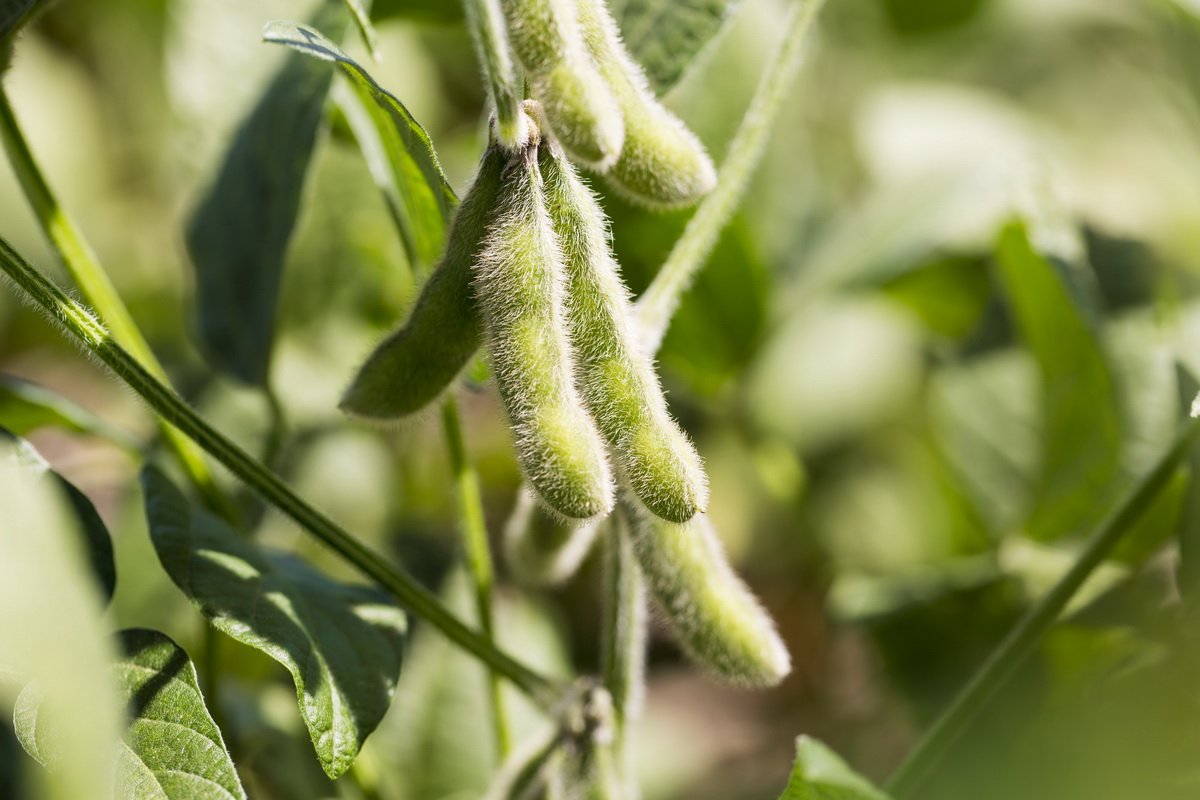
In the flat expanse of Illinois farmland, where autumn skies stretch endlessly above golden fields, Dean Buchholz watches his soybean harvest with a gnawing unease that has become all too familiar. After decades of cultivating this protein-rich oilseed, he has witnessed his crop evolve from a reliable cash generator into a geopolitical football, kicked between superpowers with little regard for the livelihoods caught in the crossfire.
The soybean, that humble legume which transformed American agriculture in the late twentieth century, now stands as perhaps the starkest symbol of how trade policy can upend entire industries. What was once America’s second-most valuable crop export—a $27 billion annual business at its peak—has become a cautionary tale about the perils of depending on a single, politically volatile customer.
The Making of a Monoculture
The soybean’s rise to prominence in American agriculture reads like a carefully orchestrated economic romance. Native to East Asia but domesticated for American conditions, the crop found its calling in the fertile soils of the Midwest. Illinois, Iowa, Minnesota, Indiana, and Nebraska emerged as the soybean belt, where farmers steadily converted millions of acres from wheat and other grains to accommodate growing global demand.
The transformation was nothing short of revolutionary. Today, American farmers plant soybeans across roughly 87 million acres—an area larger than Italy. The crop’s versatility made it indispensable: crushed and processed, soybeans yield cooking oil for human consumption and biodiesel for vehicles, whilst the remaining meal provides protein-rich livestock feed. Roughly half of America’s annual soybean harvest, typically totaling some 120 million metric tons, heads overseas, with the remainder feeding domestic crushing plants that dot the Mississippi River corridor and Great Lakes ports.
The economics proved compelling. Soybeans require less water than corn, fix nitrogen in the soil, and commanded premium prices as global protein consumption surged. Small wonder that thousands of farmers bet their futures on the golden bean.
The China Connection
If soybeans represented America’s agricultural transformation, China embodied the demand side of that equation.
As the Asian giant’s economy modernized and its middle class expanded through the 1990s and 2000s, dietary preferences shifted dramatically toward pork and poultry. Meeting that demand required vast quantities of protein-rich animal feed, and American soybeans fit the bill perfectly.
By the 2010s, China had become the world’s largest soybean importer, purchasing roughly 60% of all soybeans traded internationally. For American farmers, this represented an annual market worth over $12 billion. The U.S. Soybean Export Council opened its Beijing office in 1982, cultivating relationships that would underpin rural American prosperity for decades. At peak times, American farmers sent approximately 35 million metric tons of soybeans to China annually, representing nearly a third of total U.S. production.
An entire infrastructure arose to service this trade: crushing facilities to process beans into oil and meal, expanded port capacity on the West Coast, improved rail connections snaking through the Great Plains. Thousands of jobs in rural communities depended on keeping Chinese buyers satisfied.
When Tariffs Strike
The edifice came crashing down with stunning speed during the first Trump administration. In 2018, escalating trade tensions prompted China to impose retaliatory tariffs of up to 25% on American soybeans, effectively pricing them out of the Chinese market overnight. Chinese imports of U.S. soybeans plummeted by more than half, falling from 31 million metric tons in 2017 to just 8 million tons in 2018.
For farmers who had planted expecting robust Chinese demand, the impact proved devastating. Prices collapsed, with soybeans falling from over $10 per bushel to below $9. Given that production costs typically hover around $9.50 per bushel when accounting for land rental and operating expenses, thousands of farmers suddenly faced losses of $100 per acre or more.
The Trump administration attempted to stanch the bleeding with emergency aid, distributing roughly $23 billion to soybean growers in 2018 and 2019. Yet government cheques, whilst welcome, couldn’t replace the certainty of functioning export markets. Storage facilities overflowed as farmers, hoping for price recoveries, held onto their harvests rather than selling at a loss.
The Brazilian Challenge
China’s tariff wall did more than temporarily disrupt American exports—it accelerated a fundamental restructuring of global soybean trade. Chinese state enterprises and private firms poured tens of billions of dollars into Brazilian agriculture, financing infrastructure, crushing facilities, and port terminals. Cofco, China’s state-owned agricultural giant, now operates massive export facilities on Brazil’s coast specifically designed for soybean and corn shipments.
The timing couldn’t have been worse for American farmers. Brazil possesses vast expanses of arable land, lower labor costs, and a growing season that complements rather than competes with America’s. Brazilian soybean exports surged, and by 2024, Brazil supplied 70% of China’s soybean imports—double its share from fifteen years earlier. American farmers, who once dominated Chinese buying, now scramble for the remaining 30%.
The diversification proved strategic. When trade tensions resurfaced during Trump’s second term, China demonstrated it could sidestep American suppliers almost entirely.
In September, Argentina—buoyed by a $20 billion American financial rescue package—suspended its export taxes and promptly sold $7 billion in agricultural products, including substantial soybean volumes, to China. The timing struck many American farmers as a betrayal: taxpayer dollars supporting a competitor nation that immediately undercut U.S. exports.
A Fragile Peace
Recent negotiations in South Korea brought tentative relief. China pledged to purchase 12 million metric tons of American soybeans this harvest season and 25 million tons annually for three years thereafter. Treasury Secretary Scott Bessent hailed the agreement as vindication, suggesting American farmers would “prosper in the years to come.”
Yet the numbers tell a more sobering story. Even at 25 million tons annually, Chinese purchases would remain below the 29-million-ton average of the past decade. Moreover, no formal agreement has been published, leaving farmers to wonder whether Beijing will honor its commitments or use them as bargaining chips in future disputes.
Mike Dahman, cultivating 8,000 acres in Winchester, Illinois, estimates losses of $100 per acre this season. Greg Amundson in North Dakota, who once sent his entire harvest to China, now trucks soybeans to domestic crushing plants at disappointingly low prices. The cruel arithmetic is simple: with global oversupply and production costs rising—fertilizer up $100 per bag, seed costs up 10-20%—farmers are caught in a vice.
The Road Ahead
American soybean farmers are attempting to diversify their customer base, with modest success. Exports to Thailand, Bangladesh, Pakistan, and North African nations have increased, with non-China exports rising 45% between September and October compared to the previous year. Yet these markets lack China’s scale and consistency. Chinese purchases during harvest season provided certainty; smaller buyers create unpredictable demand that forces farmers to bear higher storage costs and market risk.
The fundamental challenge remains structural. Brazil and Argentina can expand production on cheaper land whilst China has demonstrated its willingness to weaponize agricultural trade. American farmers, having invested billions in infrastructure and land optimized for soybean production, cannot easily pivot to alternative crops.
As David Isermann, farming 1,000 acres in LaSalle County, Illinois, observes: “I think everybody uses us as pawns.” After decades of political whiplash, American soybean farmers have learned a bitter lesson about the dangers of depending on markets that can vanish overnight. Their crop, once a symbol of American agricultural dominance, now serves as a reminder that in modern trade wars, it is often those who till the soil who bear the heaviest costs.
Disclaimer: The opinions and views expressed in this article/column are those of the author(s) and do not necessarily reflect the views or positions of South Asian Herald.