Join WhatsApp Channel

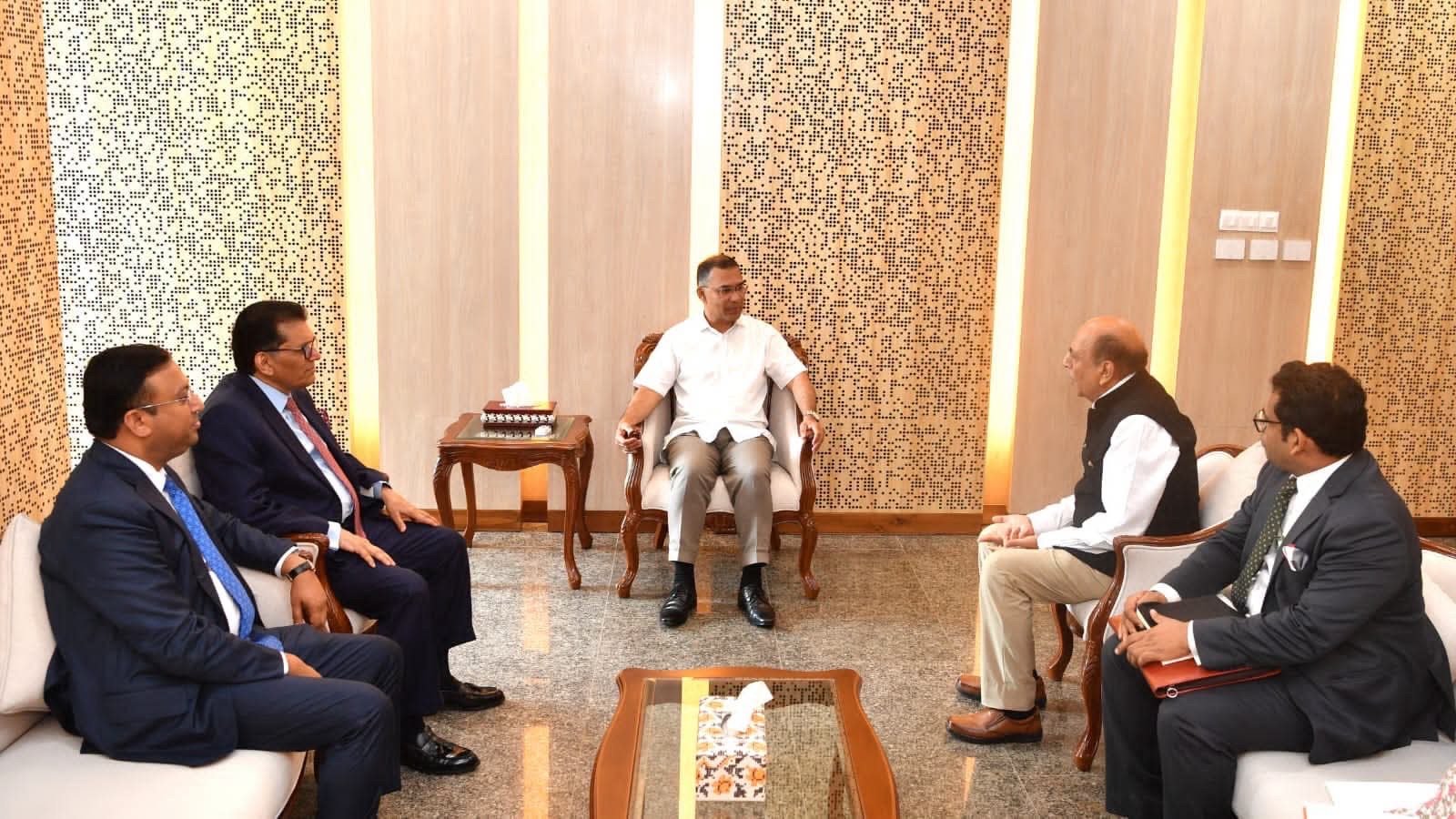
Are India-Bangladesh relations on the cusp of change again? Perhaps. The first lot of changes came with the ouster of the Sheikh Hasina government in 2024. Another milestone – so to speak – came in the form of the February 2026 elections, which saw a new prime minister Tarique Rehman taking the helm.
With the Rehman government in place, India dispatched a new Indian high commissioner (ambassador) Dinesh Trivedi to Dhaka. This appointment was seen as a political one given that Trivedi is not a career diplomat and a member of the Prime Minister Narendra Modi’s Bharatiya Janata Party (BJP). Asad Alam Siam, Bangladesh’s current foreign secretary, is expected to take up the post of high commissioner in New Delhi soon. He will replace Riaz Hamidullah, who has been in India just over a year.
These changes may signal that the two countries have a fresh canvas to start with. Adding to this, reports that former Prime Minister Sheikh Hasina is planning to return home in December. Hasina being sheltered in India has been a major irritant in bilateral ties. Dhaka has sought her return several times with New Delhi saying that it is looking into the extradition request. Hasina’s return however may be contingent on an assurance that the death penalty handed to her by a court last year will not be implemented. Could this be one of the issues on the discussion table for India when Rehman visits in September as a special invitee to the Brazil-Russia-India-China-South Africa (BRICS) meeting that New Delhi is hosting?
A reset in ties also hinges on the renewal of the three-decade long Ganga Water sharing accord. The pact, signed in December 1996, has to be renewed soon. Re-negotiating can be arduous, given climate change impacting the availability of water in the river that sustains millions in both countries. The two countries share some 54 rivers and also need to work out how to share waters of the river Teesta.
What makes the rework in ties so important is because Bangladesh is a critical neighbor with which India shares the longest border of almost 4,100 kilometers. In contrast, the unsettled border with China is about 3,500 kilometers. “Bangladesh is at the intersection of two extremely important pillars of India’s Foreign Policy: Act East and Neighbourhood First. Moreover, Bangladesh holds strategic significance in the context of India’s broader Indo-Pacific Strategy, given its pivotal location in the Bay of Bengal,” said a December 2025 parliament panel report. It noted with concern that India, which helped Bangladesh liberate itself from Pakistan in 1971, stood to lose out due to “generational discontinuity, a shift of political order and a potential strategic realignment away from India.”
A point to be noted was that Rehman first foreign visits in June 2026 were to Malaysia and China, not India. Bangladesh is also reportedly developing closer ties with Pakistan (once seen as an oppressor) and Turkiye. Small wonder then, that the Indian parliament panel last week, urged New Delhi to leverage India’s comparative advantage in development cooperation to strengthen trust and reinforce India’s position as “Bangladesh’s most reliable partner” while noting with concern “the increasing Chinese footprint in Bangladesh, particularly in infrastructure development, port expansion and defence cooperation.”
A reset in ties is an imperative that India must work towards.
Disclaimer: The opinions and views expressed in this article/column are those of the author(s) and do not necessarily reflect the views or positions of South Asian Herald.