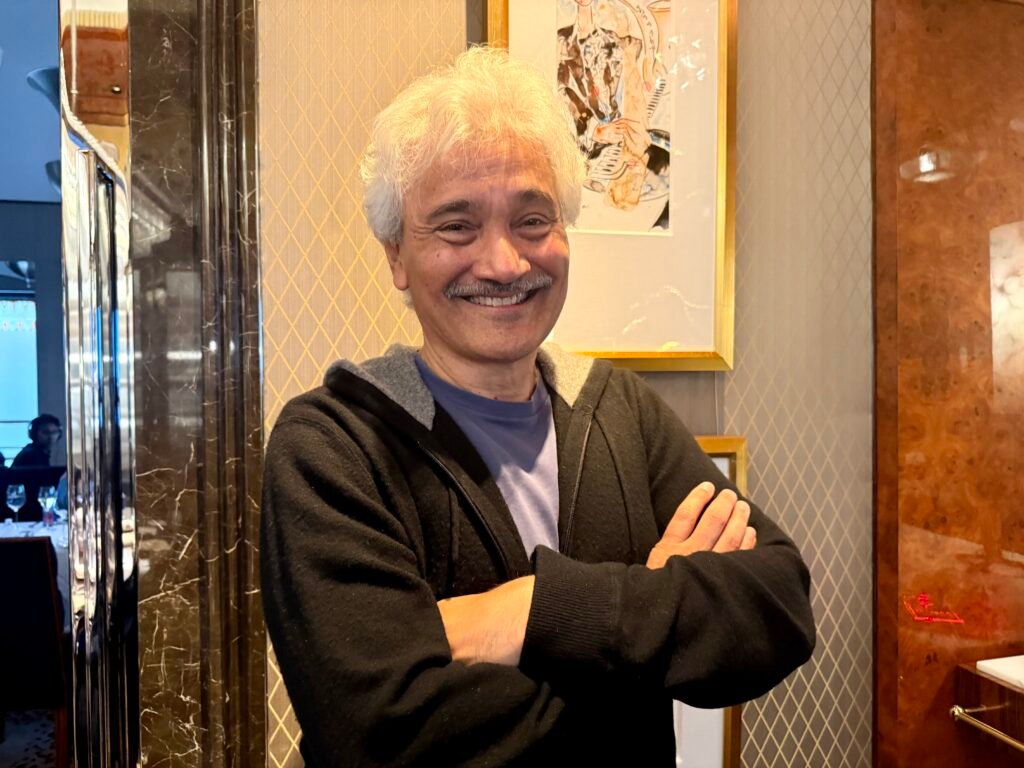
Before booking a trip online became routine, Dhiren Fonseca and his colleagues at Microsoft had a simple goal for Expedia. They wanted people to be able to plan and book a trip from home, even in their pajamas at midnight. In an exclusive interview with South Asian Herald on November 19, at the Mindset Summit in Las Vegas, Indian American Executive Fonseca recalled how the team made that idea work for travelers and persuaded hotels around the world that Expedia could bring them international guests.
Fonseca also discussed what he learned from early failures, how entrepreneurs can use AI, and why he still values personal relationships in business. He described his current work advising a company that helps artists such as Metallica connect directly with concertgoers through cards with unique QR codes.
What drew you to participate in Mindset Summit, and which conversations at the Las Vegas gathering challenged your thinking or offered a fresh perspective?
I came because Sam Chauhan, founder of the Mindset Summit, invited me. As I said, I only met him two weeks ago. He said it would be a lot of fun and that I’d meet some interesting people. So that’s why I’m here. I just met an amazing 22-year-old woman who’s a race car driver. There’s an incredible variety of people here who have done some incredible things.
Advertisement
As a member of the team that created Expedia at Microsoft, what problem were you determined to solve, and which early decisions proved most important to its success?
We wanted to make it easy for people to book travel. Instead of going to a travel agent, you could book travel in your pajamas at midnight with your partner. The internet was in its infancy. We were all trying to figure out how to attract visitors and offer consumers something they would find useful and valuable. We had a vision for building a large global business. We were young and fearless, so we didn’t know any better.
Looking back at your leadership roles at Expedia, what was the greatest challenge in growing the business internationally while building relationships with airlines, hotels, and travelers?
The biggest challenge internationally was establishing a presence in each market, building relationships with hotels, and explaining what we were doing and how we could bring international travelers to them. There are millions of hotels in the world, so you can imagine the size and scope of the problem. We had to build a global organization that could visit hotels, explain the value we offered, and show them what we could do.
How has your experience building Expedia shaped the way you evaluate businesses and advise entrepreneurs, particularly when an idea challenges an established industry?
Just don’t give up. Keep trying. You have to fail to succeed. Nobody who has built a global business or earned the highest recognition has done it without failing many times. Don’t give up or get frustrated. Understand why you failed. Analyze the problem, use the data, and try again. Keep innovating and moving forward.
Having helped build a business during the rise of the internet, what parallels do you see with today’s adoption of AI, and where should entrepreneurs exercise greater judgment?
I don’t have an opinion on that. It’s all so new, and it’s developing so rapidly. Use AI. Embrace it and use it to help you. But business is still about connections, personal relationships, and solving problems. There are still a lot of things that are broken and need to be fixed.
How does Metallica use fan cards to connect with concertgoers?
Metallica is one of the customers of a business we started to help entertainers learn who’s in their audience. Artists hand out fan cards, each with a unique QR code. A band can invite fans to peel and scan a card for a chance to win a signed vinyl record. A few people win the record, and many more share their contact information and join the fan club.
When did you leave Expedia, and what do you do now?
I left Expedia about 10 years ago. I now advise the company behind the fan cards. Its customers include Metallica, Iron Maiden, Linkin Park, Uber, and Diamond Baseball Holdings. The idea applies anywhere you have an audience and don’t know who’s sitting in the seats. The ticket seller may not share that information with the artist. Fan cards give artists a way to connect directly with the people who come to see them.
What did you take away from the Mindset Summit?
Talk to people and be open to who you might meet. You never know who you’re standing next to in the elevator.