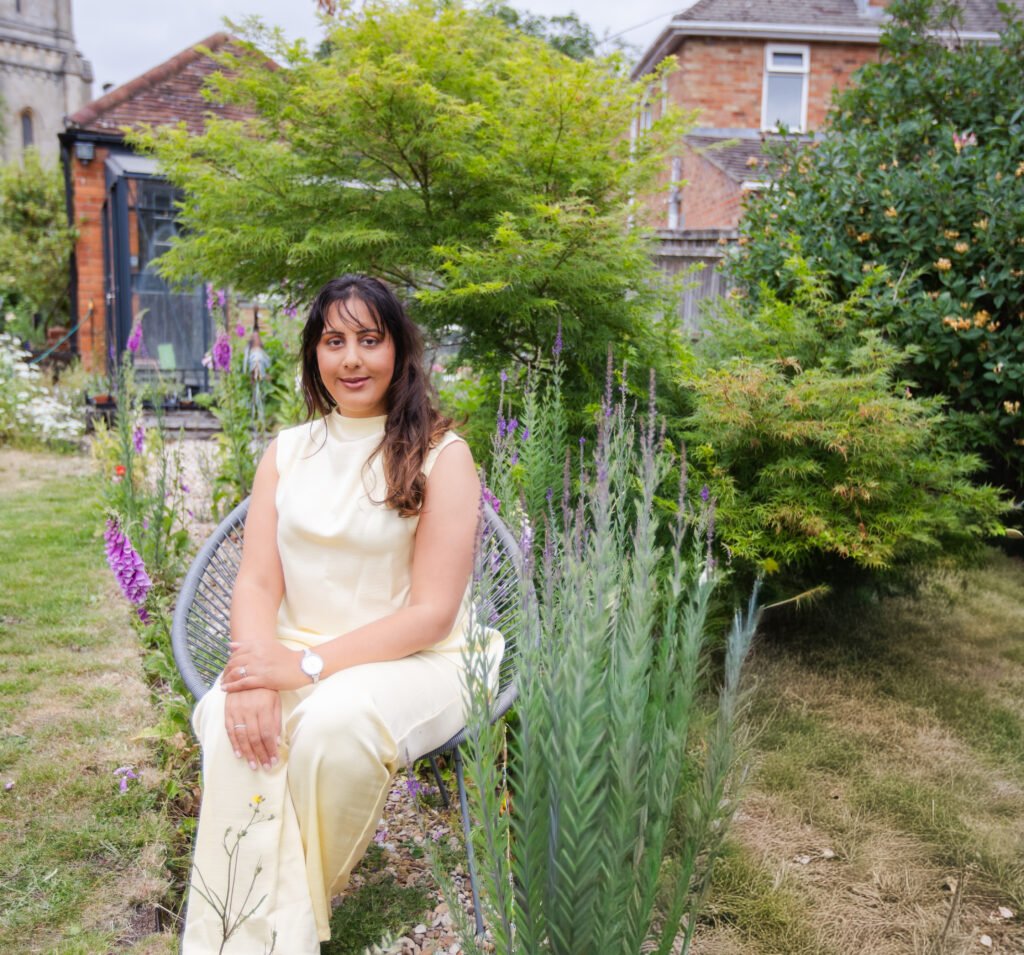
I was born in Britain into an Indian family, and for years I felt too British to feel Indian and too Indian to feel British. At school I was told by peers to “go back to where I came from”. The truth was that I did not know where that was.
At 16 years of age, I legally changed my name, because the identity I had inherited did not feel like the real me. At 18, while my friends were preparing for university, I travelled alone to India. I told my family I was going to learn Indian classical dance. In truth, I was going to find myself.
I stayed for a decade by myself, training intensively in Kathak and studying yoga and Vedantic philosophy. India gave me extraordinary teachers, discipline, a spiritual language and a way back into my body and my culture. What it did not give me was a finished identity.
That took me longer to understand that belonging is not something a name, a homeland, a tradition or a family can simply hand us. We have to decide, consciously, what we carry forward and how it will live through us. For me, Kathak dance became the bridge that let me inhabit both Britain and India without treating either as an incomplete home.
Advertisement
When I returned to Britain, I founded a dance and yoga school. It grew into an award-winning community serving more than 100 students a week. For twenty years it was my purpose, my community and my public identity.
Then, at 40 years of age, I gave it away.
The business had not failed, yet the harder truth was that a role which had once brought me alive no longer contained the whole person I had become. Letting go meant facing another kind of darkness: the fear of disappointing people, of losing relevance, and of existing without the identity through which everyone had known me.
Diwali celebrates light over darkness, and we usually picture that darkness in the world around us. But for many of us across the South Asian diaspora, some of the darkest places are quiet and private. They are the expectations we inherited, the patterns we repeat, and the unspoken question of where we truly belong.
I think of this every Diwali, because the festival asks us to light a lamp in the dark and trust it. I have come to see that lighting that lamp does not require a perfect answer, a new name or a new country. It asks only that we stop performing who we were expected to be and begin to listen.
What I have learned is that the light we are looking for cannot be borrowed. It does not come from a role, a culture or somebody else’s expectations, however loving or well meant. It comes from asking honestly which parts of the story are ours to keep.
That question now shapes my work. I have spoken about creativity as the bridge from chaos to clarity in my TEDx talk, and my forthcoming book, Journey from Karma to Dharma, explores the movement from inherited patterns towards conscious purpose. You may not need another person telling you who to become. You may need a clearer mirror for what is already changing.
So this Diwali, as the lamps are lit, I invite you to ask yourself a gentle question. What am I carrying that is truly mine, and what have I been holding only because it was handed to me?
Disclaimer: The opinions and views expressed in this article/column are those of the author(s) and do not necessarily reflect the views or positions of South Asian Herald.