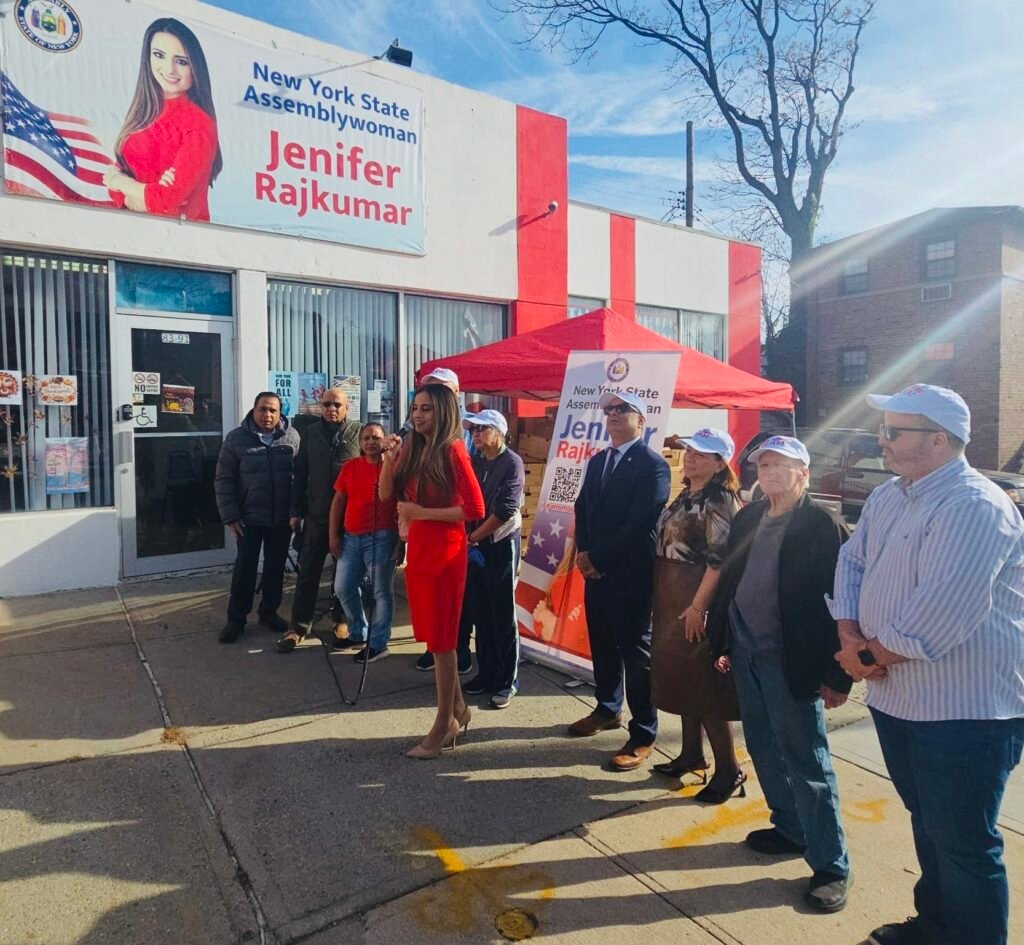

Gov. Kathy Hochul signed legislation on Nov. 20 that widens who can serve on the Citywide Council on English Language Learners (CCELL) and the Citywide Council on High Schools (CCHS). The bill, S6355A, was sponsored by state Sen. John Liu, who chairs the Senate Committee on NYC Education. Assembly Member Eddie Gibbs also worked on the measure, according to a statement from Liu’s office.
What the law changes
Under the new law, parents of ELL students can serve on either council even if their child is no longer in those programs.
That’s a real shift. Under the old rules, ELL parents could serve on CCHS only if they currently had a child in the program. For CCELL, a parent’s child had to have been in the program within the last two years.
Advertisement
Those limits made it hard to recruit parents and keep them on the councils. CCELL meetings in particular struggled to reach quorum because there weren’t enough qualified members.
So the law puts CCELL and CCHS on the same standards as Community District Education Councils. The aim is to help the boards fill vacancies, reach quorum and conduct business more easily. It also opens school governance to parents whose children are in ELL programs or have graduated from them, along with the experience those parents have gained.
Lawmakers explain the need
Liu said the bill takes on a long-standing problem with recruiting parents of English Language Learners to serve on citywide councils.
“Parents of English Language Learners deserve a seat at the table, and by removing barriers to service, we can ensure more parents are able to contribute and share the valuable knowledge and experience they’ve gained in New York City’s Public Schools to advocate for future English Language Learners,” Liu said. He also thanked Hochul for signing the measure.
Gibbs said the issue had a direct effect on council membership.
“This bill addresses a long-standing eligibility problem for the Citywide Council on English Language Learners that left vacancies on multiple boards where parents of ELL students are supposed to have a seat at the table,” Gibbs said.
Council leaders share their view
Teresa Arboleda, president of CCELL, said parents of ELL students “bring firsthand experience that uniquely qualifies them to inform educational policy for English Language Learners.” She said the legislation will help make sure ELL students and their families are heard “regardless of the language they speak.”
Mitch Wu, first vice president of CCELL, made a similar point. Parents understand the challenges their children face in the school system, he said, and that understanding “does not disappear when these students transition out of English Language Learner programs.”
Wu said the change will let parents keep advocating after their children leave the program, so more of them can support future generations of English Language Learners.
What comes next
The law now applies to both councils. Its supporters expect that a larger pool of eligible parents will lead to fewer empty seats and meetings that reach quorum. And for CCELL, which has had trouble seating enough members, that could make a practical difference in how often the council is able to conduct business.