Join WhatsApp Channel

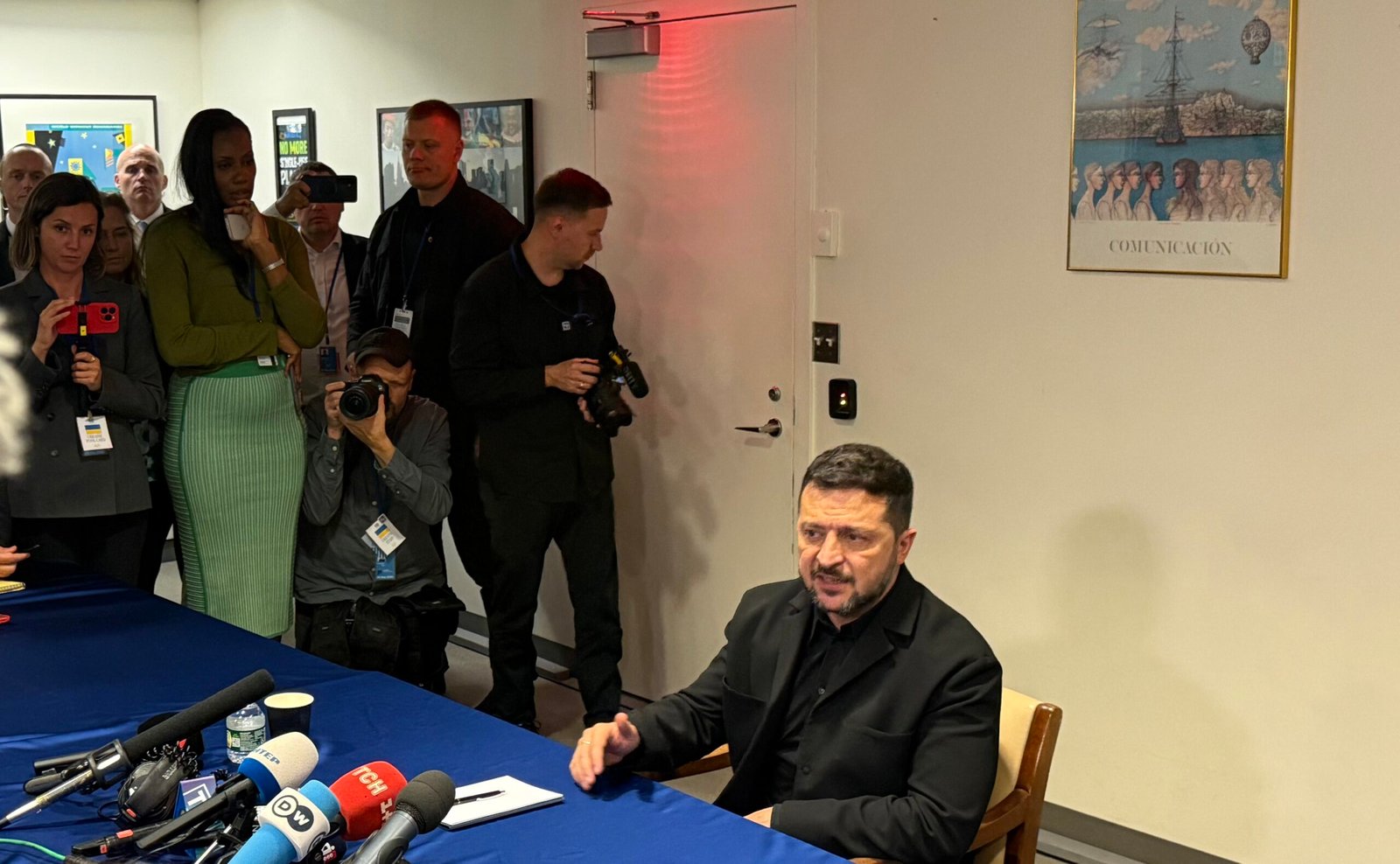
The President of Ukraine, Volodymyr Zelensky is in a spot. The war with Russia that is now in its fifth year is not exactly going by Kyiv’s calculations. At one time there was a thinking that Ukraine had wrested the initiative from Russia in the front lines and giving a run for its money. But now battlefield reports speak of Moscow gaining the upper hand with vigorous missile and drone attacks in an around Kyiv as well as stepping up the offensives on energy sites. The talk in Washington of an “energy ceasefire” between the warring parties has been binned by President Zelensky. “That’s news for me” has been the refrain, even as Russia remains quiet on the claim.
Perhaps an equally difficult situation for the Ukrainian leader is on the political front and from the United States. First came news that Washington had undercut its own Lindsey O Graham Sanctioning Russia, Iran Act 2026 by striking a deal with President Vladimir Putin for supply of hundreds of thousands of tons of diesel fuel for American and world markets. While the world was put on notice of 100 percent tariffs if they purchased oil from Russia, President Donald Trump came to an understanding with his Russian counterpart much to the chagrin of Republican and Democratic law makers.
Second, President Trump openly chastised President Zelensky for not being willing to sign a peace deal going on to suggest that the Ukrainian people must find a new leader. “I suggest they get a new leader who can make a deal… He could have settled it many times and he chose not to. We said you can do whatever you want to Russia. Don’t hit the refineries because that’s a world problem that’s caused. And he wants to make problems for the world,” the President said. Kyiv has been making the point that for a long time the Trump administration has been urging to hit Russian energy sites as a way of crippling fortunes which in turn could impact the war; and now Washington wants Kyiv to halt the strikes without reciprocity from Moscow.
Russia has said little on the so-called “energy ceasefire” and in the position of Kyiv that it is willing to sign up provided the other party agreed. “Contacts are continuing” is all what President Putin’s spokesman, Dmitry Peskov, would say on the subject. For a long time Russia has been rejecting calls for temporary ceasefires stressing that it is looking at “lasting peace.” One thinking in conservative media outlets in Russia is that President Trump’s energy ceasefire should benefit Moscow as it has many refineries in operation as opposed to only one on the other side. Further there is a perception that Kyiv not agreeing to a ceasefire would disadvantage Republicans in the November 3 mid terms and further anger the White House.
The call to elect a new leader will not certainly happen overnight for a ceasefire should be in place for any election to be held. But in an immediate context, a refusal of President Zelensky to hold off strikes against Russian energy plants will not sit well in Washington and in the Oval Office and on two fronts. Ukraine has been receiving inputs from American intelligence agencies, even if at times in fits and starts; and this has supposedly gone the distance in targeting Russian energy supply lines. Now, Kyiv stands to lose a vital link in its offensives against Russia should it get on the wrong side of President Trump.
President Zelensky has a bigger problem on his hands; and this related to supply of weapons from the United States, especially missiles and interceptors. Even in normal times Washington has expressed its inability to respond quickly to the requests of replenishments because of the ongoing war in the Middle East where the United States has fast depleted its stockpiles especially of the Patriot Missile variety. In fact, military commanders and analysts are worried of weapons deployment in the event of another global challenge. President Zelensky’s option would be to turn to Europe; but here again would face reluctance from some capitals who may not wish to antagonize President Putin. Europe’s perceptions and skepticism of the Russian leader may be well placed; but President Putin has always made the point that the only thing he had sought was to be informed of anything that might pertain to his country’s security and strategic interests.
The folly of an ongoing war is not just in counting the lost souls on both sides, but in coming to a quick understanding to end further loss. Both Moscow and Kyiv know that yet another brutal winter is around the corner and the two sides would be better off looking at ground realities rather than indulging in a play of words of what “lasting pace” is all about. Hoping for a capitulation or “knocking Ukraine back to the Stone Age” might sound catchy in some quarters but not without a huge toll for all sides.
Disclaimer: The opinions and views expressed in this article/column are those of the author(s) and do not necessarily reflect the views or positions of South Asian Herald.