The last thing Republicans seeking re-election on November 3 needed was the Iran war extending indefinitely. And this is precisely what has happened as the Houthis of Yemen have started attacking facilities of Saudi Arabia in and around the Bab-al-Mandeb, a critical waterway that sits at the mouth of the Red Sea.
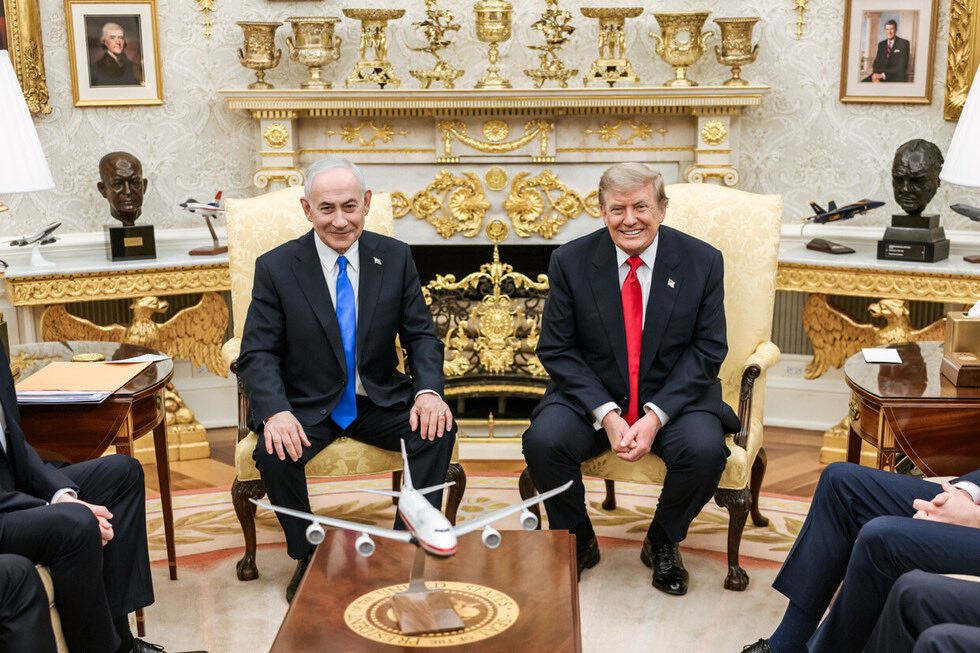
A shocked Riyadh apparently appealed to Washington to get involved but President Donald Trump quietly refused and for a good reason. The last thing the American President is another mess on his hands, already trying hard to get one of out of the way that he was nudged on to on February 28.
On the one hand it is easy to say that the Houthis have started attacking Saudi facilities including oil refineries at the instance of Iran. Easier still is to make the argument that it is not the Houthis but the Iran itself doing the job, forgetting for a minute that perhaps the leadership in Tehran is also anxiously looking at a closure to a conflict given that tariffs and sanctions have started biting with food inflation said to be around 130 percent. In the middle are countries like Turkey and Pakistan not knowing what to make out of the deal with Saudi Arabia. Was it a defense pact—an attack on one is an attack on all scenario– intended for nation states or non-state actors also included?
Houthis getting into the fray in a full-fledged fashion is trouble for everybody, not just Saudi Arabia. The energy market and supplies went in for a tailspin when Iran shut down the Strait of Hormuz; and oil exporters like Saudi Arabia looked at alternative shipping route and the Red Sea was a natural pick. At its peak during the Hormuz crisis, it is said that as much as about 9 million barrels of crude and other petroleum products passed through the Red Sea via Bab-al-Mandab. Now, with intensified Houthi targeting and success, that flow is supposed to have halved. The sweetener of sorts being the Houthi word that non-Saudi Arabia entities would be spared of attacks. That has not worked with freight charges and insurance rates.
Advertisement
The first strikes on the Red Sea facilities have had its impact: prices of crude oil have jumped to over US$ 100 per barrel and an anticipated price of US$ 120 if the unease persists. In a crucial election in America just some six weeks away, gas prices continues to hover around US$ 4 per gallon at the pumps and suddenly diesel has shot up to US$ 6 per gallon and expected to top US$ 8 soon. And higher transportation charges will naturally be passed on to consumers who are already complaining. With vital outlets in the Hormuz and Red Sea now danger zones, developing countries like India would be more adversely affected, denting both its imports and exports. With vital chokeholds at risk, countries cannot take comfort with their reserves for an indefinite period of time.
It is simplistic to see the Hamas, Hezbollah and Houthis as mere proxies of Iran and groups that blindly follow directives without any agenda of their own. In the case of the Houthis, its primary goal is to get political and military control of Yemen and get rid of the Western and United Nations recognized government. The way to this would be get hold of oil and gas fields as they work their way through capturing provinces. Iran and the Houthis use each other well in the Middle East by acting as pressure points for Israel over the Palestinian cause as for instance in the Gaza. In the immediate context, the Houthis seek to exert maximum pressure on not just Saudi Arabia but also Gulf nations as the group tries to control the Red Sea coast.
In asking Washington not to get involved in its offensives along the Red Sea coast, the Houthis appear to be sending the Trump administration a message, that its involvement has nothing to do with the Iran war; rather of a military conflict against government forces that have responded aggressively. For all practical purposes, the Houthis may not wish to open a front against the superior military wherewithal of the United States, which is why a reluctance to fully shut down the Bab al-Mandab even if Tehran may want it that way as a way of putting more pressure on Washington.
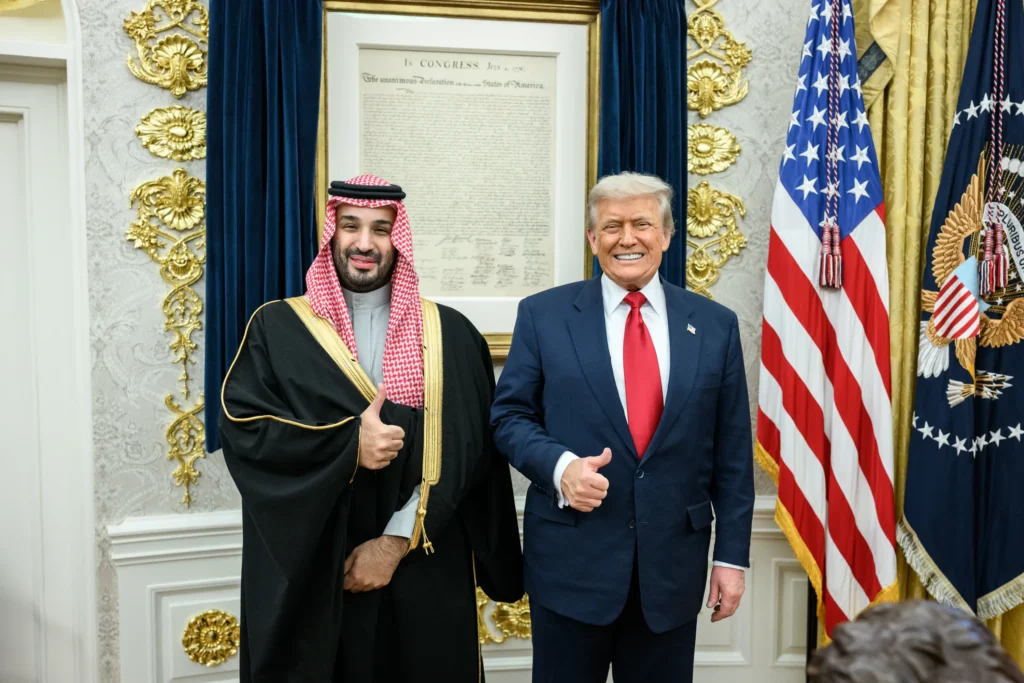
The reluctance of President Trump to accede to the wishes of Crown Prince Mohammad bin Salman of Saudi Arabia is a clear indication of not wanting to open another front and perhaps a second war at a crucial time in American domestic politics. For all the boisterous sessions and rants of the Republican mid-term convention in Texas, there is also a quiet realization by the leadership of the Grand Old Party that the ongoing mess in the Middle East could last well beyond the November 3 election to perhaps jeopardizing the chances of the front runners in 2028.
Disclaimer: The opinions and views expressed in this article/column are those of the author(s) and do not necessarily reflect the views or positions of South Asian Herald.