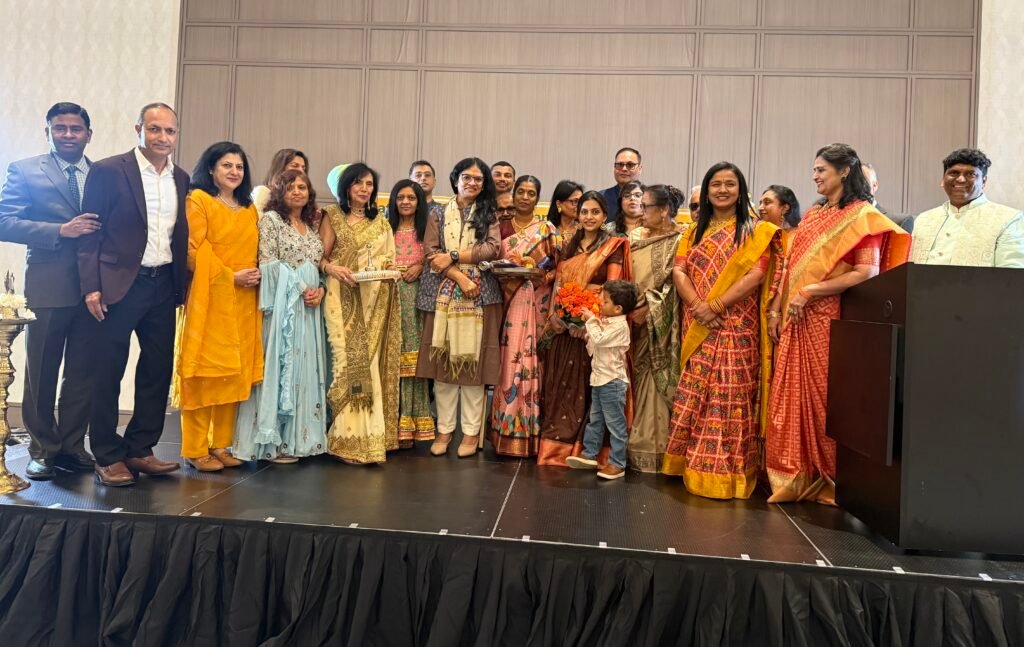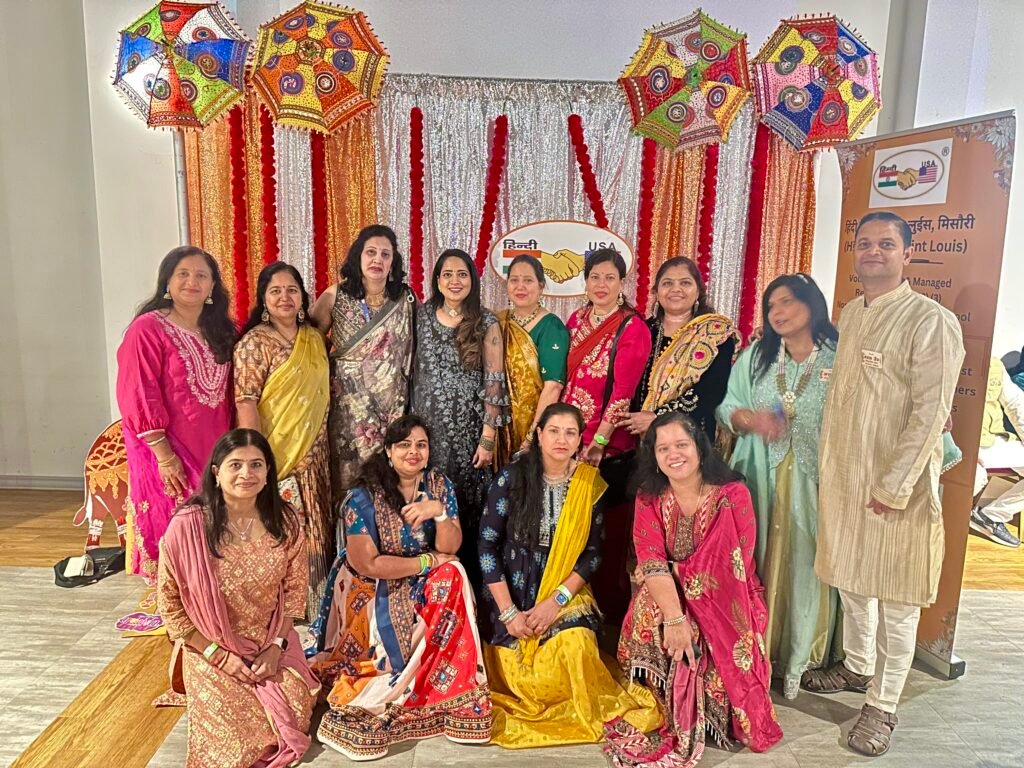
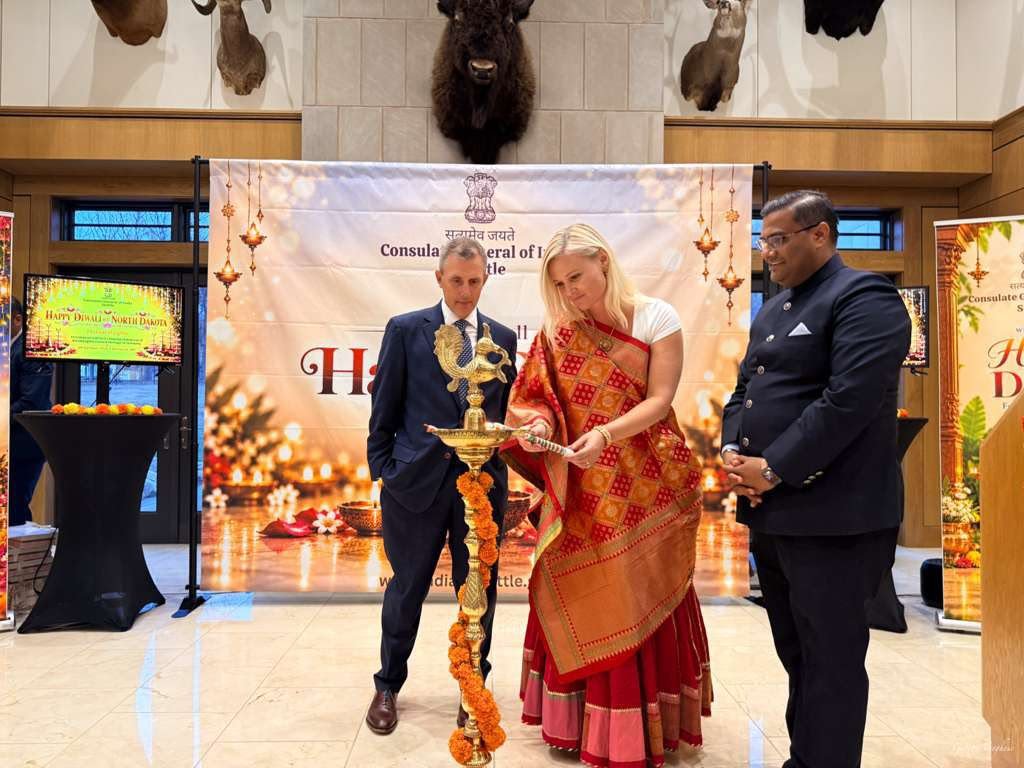
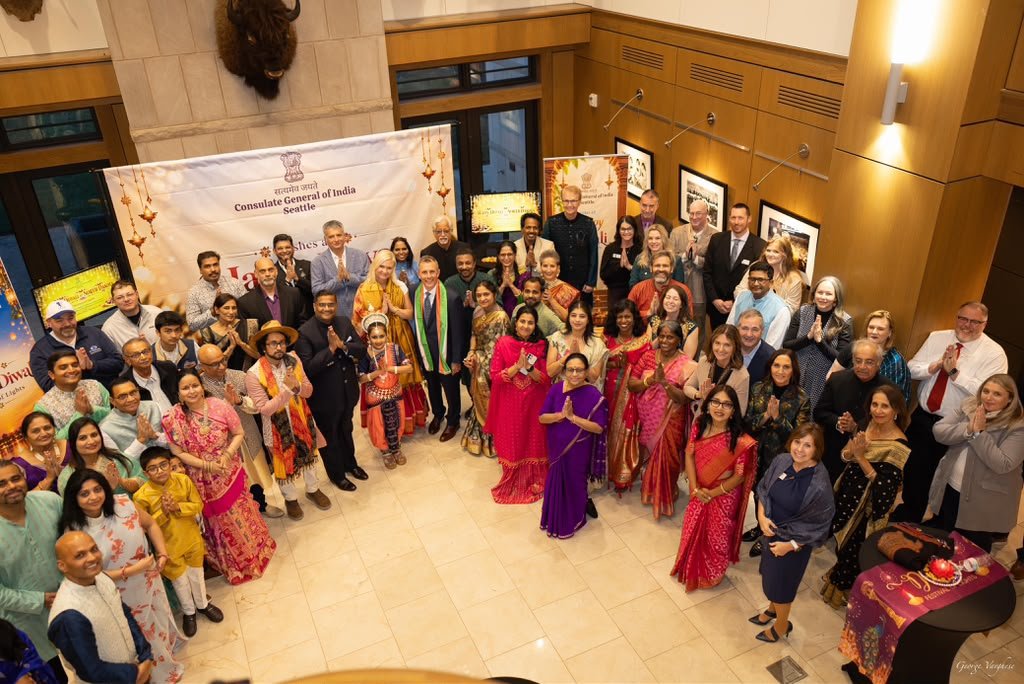
The Governor’s Residence in Bismarck, North Dakota, hosted its first Diwali celebration on October 29, 2026, bringing together Indian-American families and state officials to mark the Festival of Lights, according to the Consulate General of India in Seattle.
Organized by the consulate in association with North Dakota’s Indian-American community, the event drew families from Bismarck, Fargo, Grand Forks and other parts of the state.
North Dakota Governor Kelly Armstrong, First Lady Kjersti Armstrong and Agriculture Commissioner Doug Goehring joined India’s Consul General in Seattle, Prakash Gupta, and community members to light the ceremonial diya, or lamp, symbolizing the triumph of light over darkness.
In his remarks, Armstrong recognized Indian-Americans’ contributions to North Dakota, particularly in “healthcare, business and community life.”
Advertisement
“We should celebrate these relationships. We should celebrate these friendships. Diversity is our strength,” he said, emphasizing that residents could retain their cultural roots while becoming part of North Dakota’s community.
Armstrong also highlighted Diwali’s message of light overcoming ignorance, describing it as relevant in an increasingly divided world. He discussed opportunities to expand cooperation between India and North Dakota in trade and agriculture, including commerce involving the state’s pulse crops, such as peas and lentils.
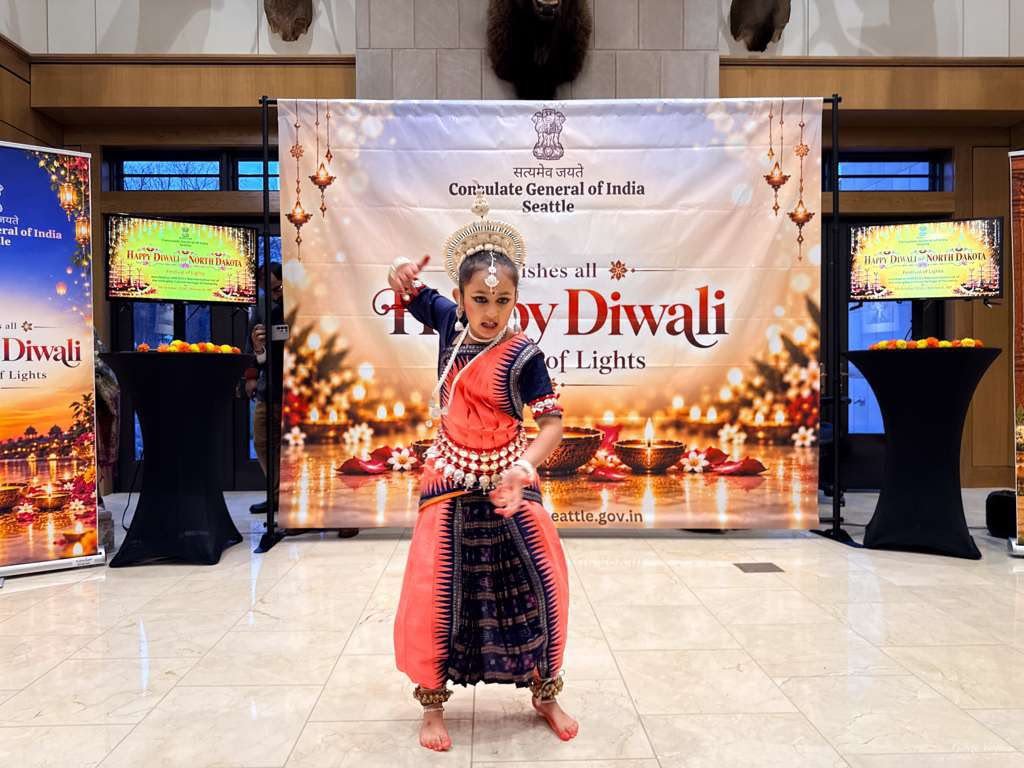
The program included cultural performances by young Indian-Americans and a selection of Indian dishes, according to the consulate.
The North Dakota event was part of the Seattle consulate’s broader Diwali celebrations across its jurisdiction, including Idaho, Nebraska, Montana, Washington and Oregon, along with events at several city halls in Washington state.
Earlier, the Idaho State Capitol Rotunda in Boise hosted a Diwali celebration on October 16, bringing together Indian-Americans, friends of India and invited guests.
Idaho Governor Brad Little and U.S. Senator Jim Risch joined Gupta and community members for the ceremonial lighting of the diya.
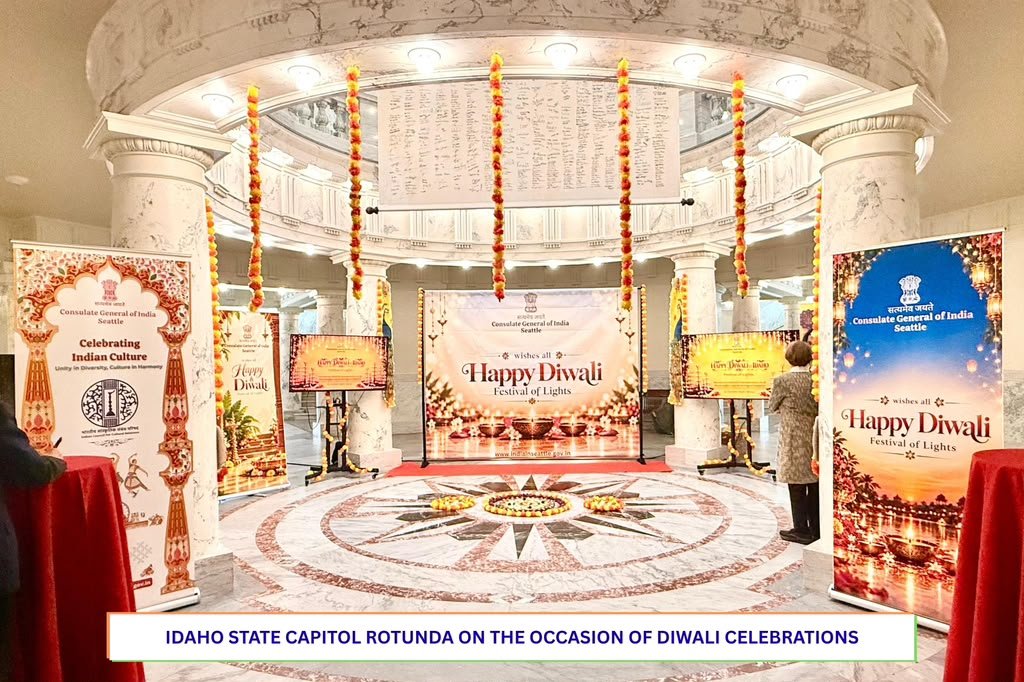
Little recognized Indian-Americans’ contributions to Idaho through business, professional work, public service and civic engagement. He said their efforts had strengthened the state’s economy and helped make its communities better places to live and work.
Reflecting on Diwali’s significance, Little highlighted its messages of kindness, knowledge, service and hope during difficult times. He also noted the significance of holding the celebration in the historic Capitol Rotunda, whose architecture was designed to maximize natural light.
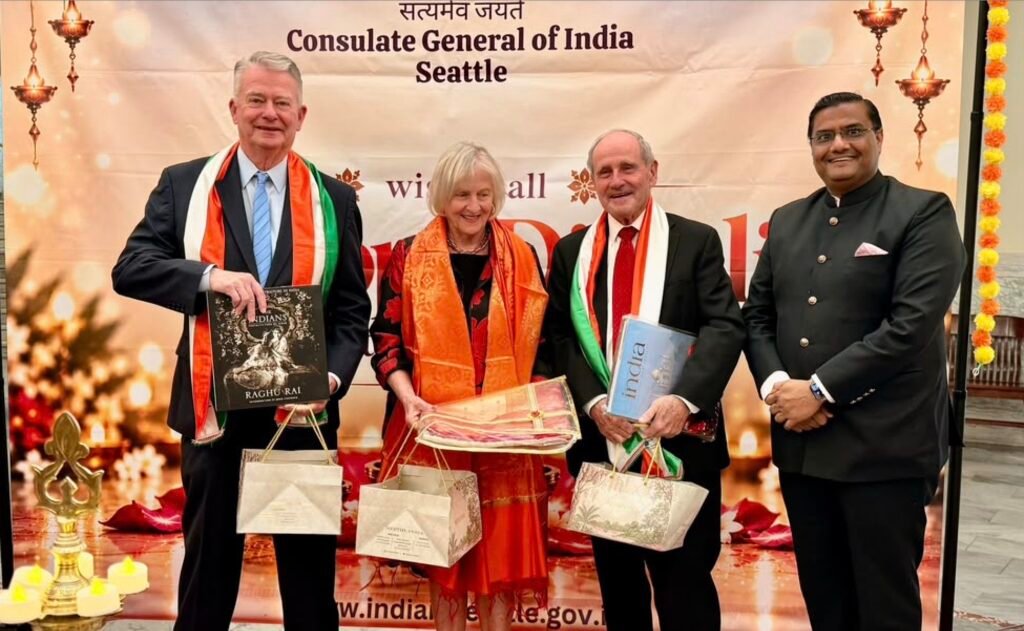
Risch welcomed the celebration at the Capitol, describing the Rotunda as a meaningful setting for Idaho residents. He said Diwali’s message that hope can overcome despair and light can overcome darkness offered a reminder of optimism and positivity.
The Idaho program featured Bollywood and traditional Indian dances, Punjabi folk dance and Indian classical instrumental music. Guests also enjoyed a variety of traditional Indian dishes.