The Maldives has become the only country in the World Health Organization’s South Asian Region to achieve ahead of schedule the 2030 Sustainable Development Goal target for reducing premature deaths from cardiovascular disease, cancer, diabetes and chronic respiratory diseases.
WHO presented the recognition on September 8 during its 79th Regional Committee for South-East Asia, attributing the achievement to sustained action across government and society, according to a statement.
The next challenge will be sustaining those gains across a population dispersed among 187 inhabited islands, where distance and limited access to specialized services can complicate prevention, monitoring and referrals.
“At the center of that effort is a WHO-supported primary healthcare model first demonstrated in Faafu Atoll,” the statement said. “The programme integrated non-communicable disease (NCD) screening and treatment into community care, supported by a digital primary-healthcare register. Within nine months, more than 93 per cent of the target population had enrolled.
Advertisement
WHO reported treatment rates rising from 92 per cent to 95.5 per cent for hypertension, from 86 per cent to 95.1 per cent for diabetes and from 57 per cent to 71.6 per cent for high cholesterol.”
WHO has described the Faafu approach as replicable and identified it as a potential model for other Small Island Developing States facing similar challenges. A WHO regional assessment said the project could provide a “working model not just for Maldives, but for the Region and world.”
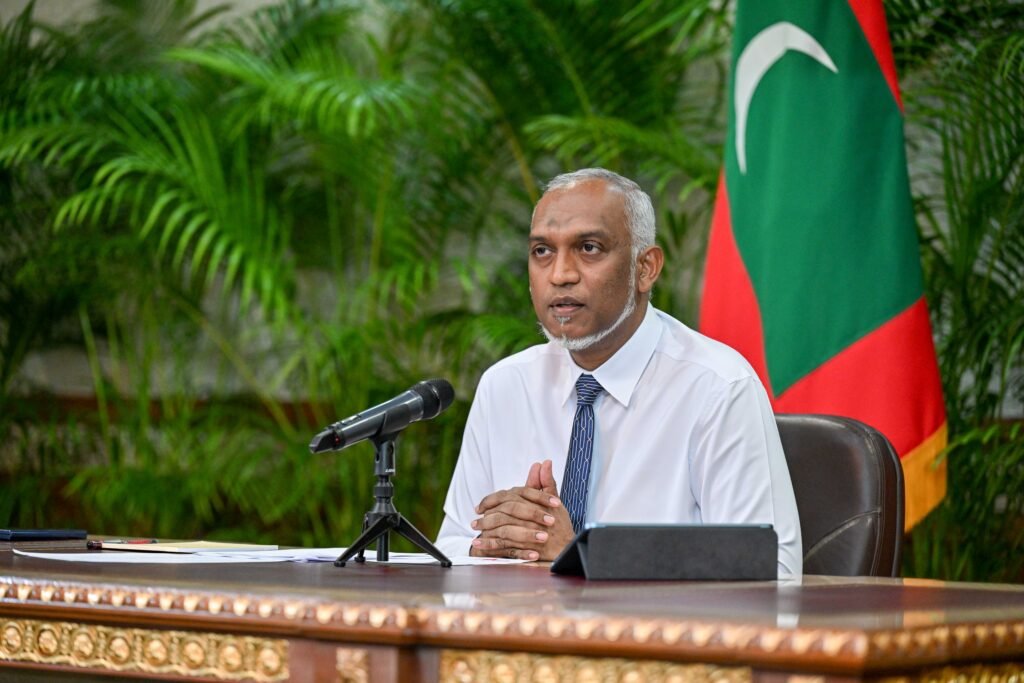
President Mohamed Muizzu’s administration is expanding the model beyond the original demonstration site as part of a broader effort to strengthen community-based primary healthcare across the island nation. In April 2026, WHO and the Ministry of Health announced the expansion of the national Primary Health Care program into the Kaafu and Vaavu atolls. The government is also expanding general practitioner-led services in Malé and Hulhumalé.
The nationwide expansion is being supported by investments in the healthcare workforce and infrastructure. In his 2026 Presidential Address, Muizzu said 1,711 healthcare professionals had been recruited, with a further “1,957 positions planned during 2026, alongside 143 healthcare infrastructure projects across 143 islands.”
The broader regional policy environment also underscores the importance of the initiative. On September 8, health ministers from WHO’s South-East Asia Region adopted the Dili Declaration on equitable access to specialized care. The declaration called for “stronger family medicine, referral systems and specialist access for rural and remote populations.”
The Maldives’ experience offers other small island states a rare combination of independently measured progress in reducing premature deaths from noncommunicable diseases and a WHO-supported primary healthcare model tailored to the challenges of island geography, the statement said.