Join WhatsApp Channel

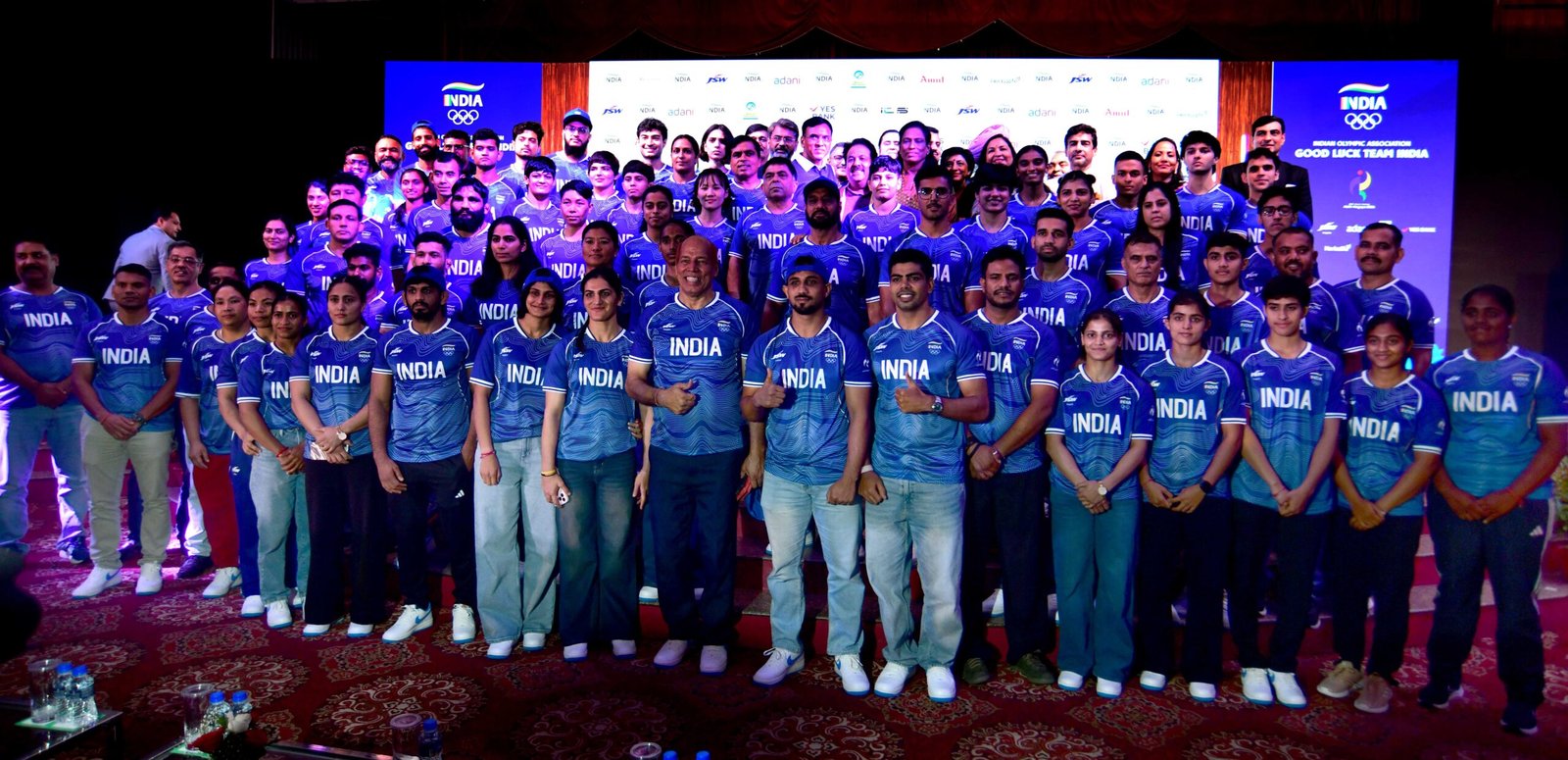
The 2026 Asian Games began amid logistical disruptions and confusion that affected several national contingents, including India, ahead of the opening ceremony in Aichi-Nagoya, Japan.
Hours before the ceremony, the Indian contingent unexpectedly changed its male flag-bearer.
Kabaddi player Pawan Sehrawat replaced shot putter Tajinderpal Singh Toor, while double Olympic medal-winning shooter Manu Bhaker remained the female flag-bearer.
“Due to technical issues, Tajinderpal Singh Toor will not be the male flag-bearer of India,” the Indian team management said, without providing further details.
Earlier in the day, Bhaker and Toor had been named India’s flag-bearers for the opening ceremony.
“Manu Bhaker will be one of the flag-bearers,” India’s chef de mission, Sahdev Yadav, said. The Athletics Federation of India later confirmed that Toor would be the second flag-bearer.
Bhaker made history at the 2024 Paris Olympics by becoming the first athlete from independent India to win two medals at a single edition of the Games. Toor won gold in the men’s shot put at the previous two Asian Games.
However, a second announcement issued on the morning of the opening ceremony named Sehrawat as Toor’s replacement.
The last-minute change came as Indian athletes faced accommodation and organizational difficulties after arriving in Japan. The concerns were particularly significant for athletes preparing to compete, with several events offering qualification opportunities for the 2028 Olympic Games in Los Angeles.
The official welcome ceremony for several delegations, including India, was also affected by delays and confusion. India, North Korea, Yemen, Palestine, Timor-Leste and Taiwan were scheduled to participate in a flag-hoisting ceremony at Garden Pier, where container-style accommodations are located, at 1:30 p.m. local time.
The ceremony began about an hour late and was marked by repeated interruptions and changes in proceedings.
Accommodation emerged as another major concern ahead of the formal opening ceremony. Images circulating on social media appeared to show Indian athletes sleeping on floors in open halls and corridors as some participants waited to receive their assigned rooms.
In response, India’s Ministry of Youth Affairs and Sports reportedly contacted members of the Indian diaspora in Japan to seek assistance with lodging if the shortage could not be resolved.
Athletes from several countries complained about delays in receiving accommodations. In the absence of a centralized athletes’ village, participants were housed across container-style units, a docked cruise ship and hotels.
The Indian contingent also arrived at the Games amid an internal dispute within Hockey India. President and former Olympian Dilip Tirkey and Secretary-General Bhola Nath Singh have reportedly differed over proposed disciplinary action against the organization’s director-general.
The dispute followed concerns that the director-general had disregarded instructions related to the 2026 FIH Hockey World Cup in the Netherlands and Belgium. Questions were also raised over the decision to change the Indian teams’ traditional blue uniforms to orange without approval from the executive body or the president.
Hockey India has since restored the blue uniform, but the dispute has continued as the men’s and women’s teams begin their Asian Games campaigns. Both teams are seeking direct qualification for the 2028 Los Angeles Olympics.
Related posts:
 Milano Cortina Paralympics Open with Ukraine on Top and Strong Start for Canada
 Indian Hockey’s Road to LA 2028: Tejinder Singh Aujla on Qualification Challenges, Transition, and Governance
 Milano-Cortina 2026 Opens with Dual Cauldrons, Historic Venues, and a Global Call for Respect
 Sikh Union Honors 27 Olympians and World Cup Players