Join WhatsApp Channel

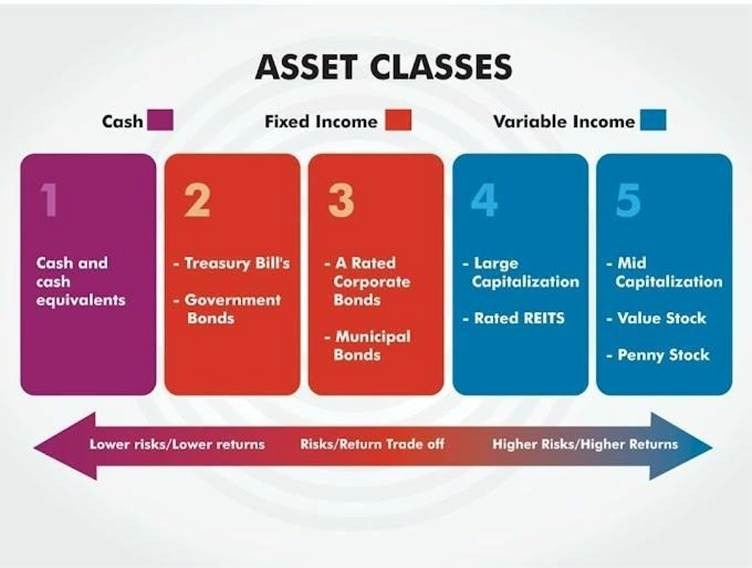
In the realm of investing, understanding the relationship between asset classes and time horizons is crucial for achieving specific financial goals. This document explores various asset classes, their characteristics, and how they align with different investment time frames. By linking investment strategies to time horizon-based goals, investors can optimize their portfolios to meet both short-term and long-term objectives effectively.
Understanding Time Horizon in Investing
Time horizon refers to the length of time an investor expects to hold an investment before needing to access the funds. It plays a pivotal role in determining the appropriate asset classes to include in a portfolio. Generally, time horizons can be categorized as short-term (0-3 years), medium-term (3-10 years), and long-term (10+ years). Each category has distinct risk and returns profiles, influencing the choice of asset classes.
Asset Classes Overview
- Equities (Stocks)
- Characteristics: High potential for growth, but also high volatility.
- Suitability: Best suited for long-term goals (10+ years) due to their ability to recover from market fluctuations over time. Investors seeking capital appreciation can benefit from equities, especially in a growing economy.
2. Fixed Income (Bonds)
- Characteristics: Generally lower risk and more stable returns compared to equities.
- Suitability: Ideal for medium-term goals (3-10 years) as they provide regular income and are less volatile than stocks. Bonds can help preserve capital while still offering some growth potential.
3. Cash and Cash Equivalents
- Characteristics: Highly liquid and low-risk, including savings accounts, money market funds, and Treasury bills.
- Suitability: Best for short-term goals (0-3 years) where capital preservation is paramount. Cash equivalents provide easy access to funds while minimizing risk.
4. Real Estate
- Characteristics: Tangible asset with potential for appreciation and income generation through rental yields.
- Suitability: Suitable for medium to long-term goals (3+ years). Real estate can provide diversification and a hedge against inflation, making it a valuable addition to a long-term investment strategy.
5. Commodities
- Characteristics: Physical goods such as gold, oil, and agricultural products, often used as a hedge against inflation.
- Suitability: Typically, more volatile and better suited for long-term goals (10+ years) or as a tactical allocation in a diversified portfolio. Commodities can provide diversification benefits but require careful consideration of market conditions.
6. Alternative Investments
- Characteristics: Includes hedge funds, private equity, and collectibles, often with unique risk-return profiles.
- Suitability: Generally, more appropriate for long-term investors (10+ years) who can withstand illiquidity and higher risk. These investments can enhance portfolio diversification and potentially yield higher returns.
Conclusion
Selecting the right asset classes based on the time horizon linked to specific financial goals is essential for effective goal-based investing. By aligning investments with the appropriate time frames, investors can manage risk and optimize returns, ultimately leading to a more successful investment journey. Understanding the characteristics of each asset class and their suitability for different time horizons empowers investors to make informed decisions that align with their financial aspirations.
Disclaimer: The opinions and views expressed in this article/column are those of the author(s) and do not necessarily reflect the views or positions of South Asian Herald.