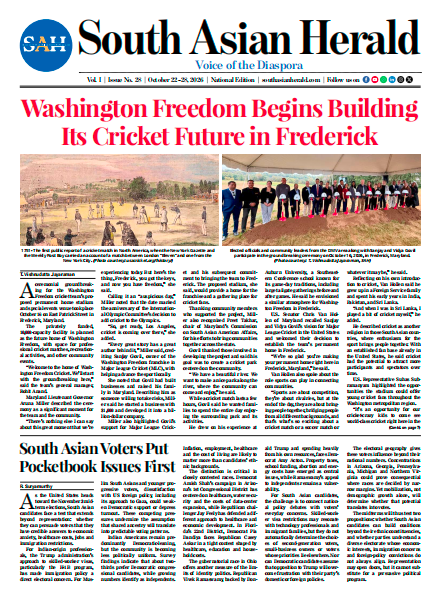
It is often said that a visit to Golden Temple in Amritsar is essential to complete a spiritual journey in the region. Similarly, in Africa, particularly in Kenya, a visit is considered incomplete without paying obeisance at Gurdwara Makindu Sahib, located along the Nairobi-Mombasa road.
As hundreds of Sikhs from across the world gather in Nairobi to participate in the centenary celebrations of the Sikh Union Club, regarded as the oldest expatriate Indian club outside India, many are undertaking a same-day return journey of nearly 350 kilometers to visit the revered shrine at Makindu.
The journey to the shrine passes through scenic valleys, lush with greenery due to recent rains. Along the route, small roadside vendors offer water, fruits such as apples and oranges, and roasted maize, adding to the experience of the pilgrimage.
While it is a prominent Sikh place of worship, the Gurdwara also attracts visitors from diverse faiths, including Hindus, Buddhists, Christians, Muslims, and members of the Sindhi community.
Advertisement
The origins of Gurdwara Makindu Sahib date back to 1898, when it was first established as a modest tin-sheet structure by laborers brought by the British to construct the Mombasa-Nairobi railway line. The initial makeshift structure was later replaced by Mata Gujari Hall, the first permanent building at the site.
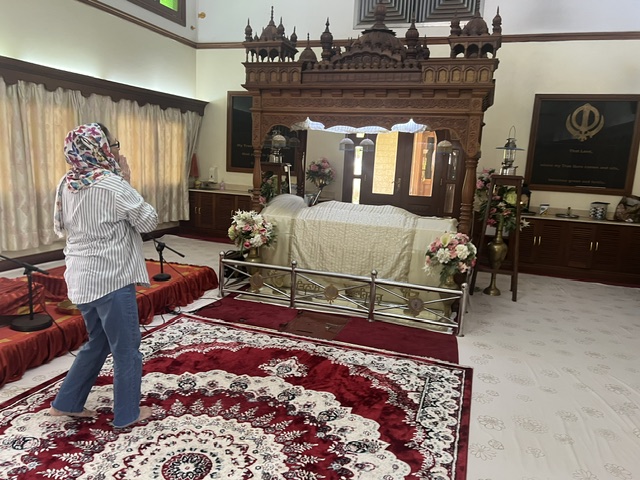
During the early days, workers would gather at the Gurdwara for morning prayers before heading to their duties and return in the evening to perform the “Sukhasan” ceremony, placing the sacred Guru Granth Sahib to rest. A handwritten version of the scripture, preserved to this day, remains a significant spiritual artifact for visitors seeking “darshan.”
A widely recounted legend associated with the shrine speaks of a local caretaker, “Gowala,” who reportedly witnessed a divine figure arriving on a white horse to perform the “Sukhasan” ritual after it had been inadvertently omitted. When shown images of Sikh Gurus, he identified the figure as Guru Gobind Singh, stating, “It was he who came on a horse.”
Over time, this account strengthened the belief among devotees that the site was divinely protected. The Gurdwara gradually grew in prominence, eventually being regarded as a “Sachkhand Asthan,” or sanctified spiritual abode, drawing pilgrims from across the region.
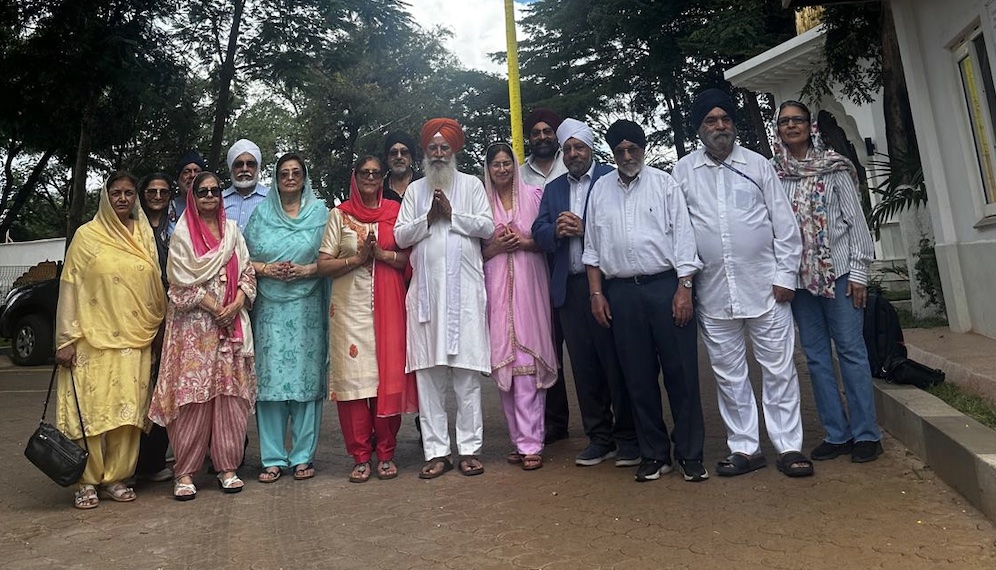
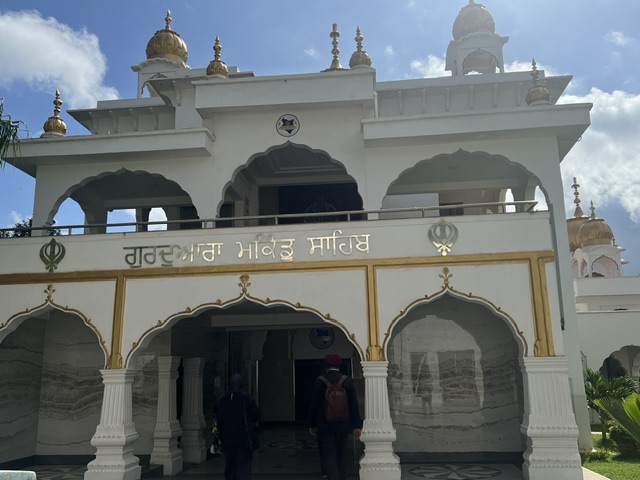
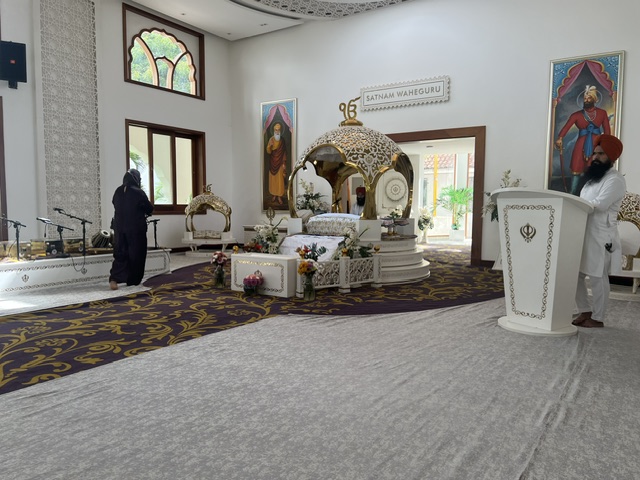
Today, the Gurdwara Makindu Sahib complex features multiple Darbar halls for congregational prayers, an expansive Langar Hall, and a modern kitchen capable of serving hundreds daily. Much of the upkeep is carried out by local African sewadars, reflecting the deep cultural integration and mutual respect fostered over the years.
The management has also established a Guru Nanak Dev Memorial multi-specialty hospital and an organic farm, the produce of which is used in preparing daily Langar meals.
The complex includes a large residential facility capable of accommodating over a hundred families. Surrounded by lush greenery, it offers a serene environment conducive to reflection and meditation. Peacocks roaming the grounds add to the tranquil atmosphere, often delighting visitors with their displays during overcast days.
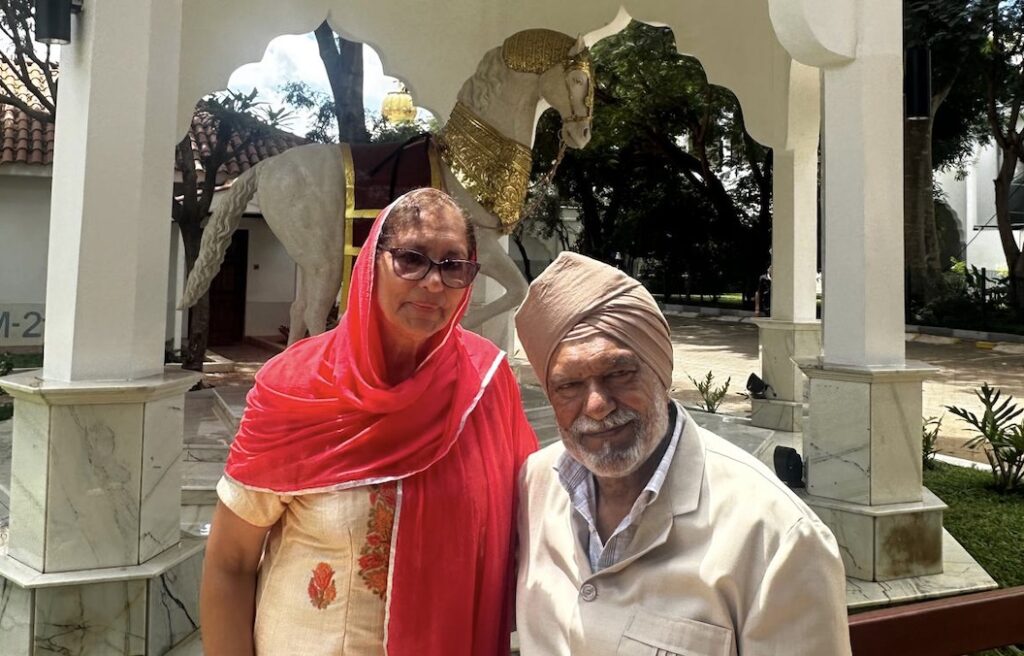
During the centenary celebrations, Sikh visitors from countries including the United Kingdom, the United States, Canada, New Zealand, and Australia made time to visit the shrine. The head Granthi guided the group and conducted a special “Ardas” for them.
With its rich history and enduring legacy, Gurdwara Makindu Sahib continues to stand as a symbol of universal brotherhood, peace, and communal harmony. It is widely respected by local communities, who acknowledge the Sikh community’s contributions toward improving living standards in the region.