Join WhatsApp Channel

Since the turn of the millennium, films were slowly becoming shorter in length. With notable exceptions. Like Lagaanand Gadar—Ek Prem Katha, both released on the same day in 2001: Lagaan had a runtime of 224 minutes, while the latter was 170 minutes long. The latter film’s director, Anil Sharma, had told me a decade later, “My film’s interval came after a time when most recent films end. But no one wanted that break—they were so involved that they wanted the film to go on!”
In 1975, Sholay was originally 204 minutes long. After the censored scenes, it was reduced to 198 minutes. Decades later, the original was released in December 2025 as Sholay—The Final Cut. When it released initially, with prime theatres showing a 70mm version, the number of daily shows had to be reduced to three from the then-normal four (at variants of 12, 3, 6 and 9 pm) and so the admission tickets shot up from Rs. 2.50 to 4.40, angering filmgoers at a time when the value of each rupee counted.
Nevertheless, the film became such a huge hit that its ‘current booking’ (tickets available for the next show at the cinema hall) opened well past the 75th week, and the film ran for 150 weeks before being shifted to one show a day for 100 more weeks!
Before Sholay, we also had a few long films: Mother India (172 minutes and the biggest hit of 1957), Mughal-E-Azam(197 minutes and biggest hit of 1960), Raj Kapoor’s Sangam (238 minutes and top hit of 1964), Waqt (178 minutes / biggest hit of 1965), and Kapoor’s Mera Naam Joker (255 minutes, a flop in 1970 but now a cult film).
Hum Aapke Hain Koun… the top hit of the entire 1990s, was 206 minutes long, and three more epics were Dilwale Dulhania Le Jayenge (185 minutes) which was the biggest hit of 1995, Kuch Kuch Hota Hai (181) and Kabhi Khushi Kabhie Gham… (210).
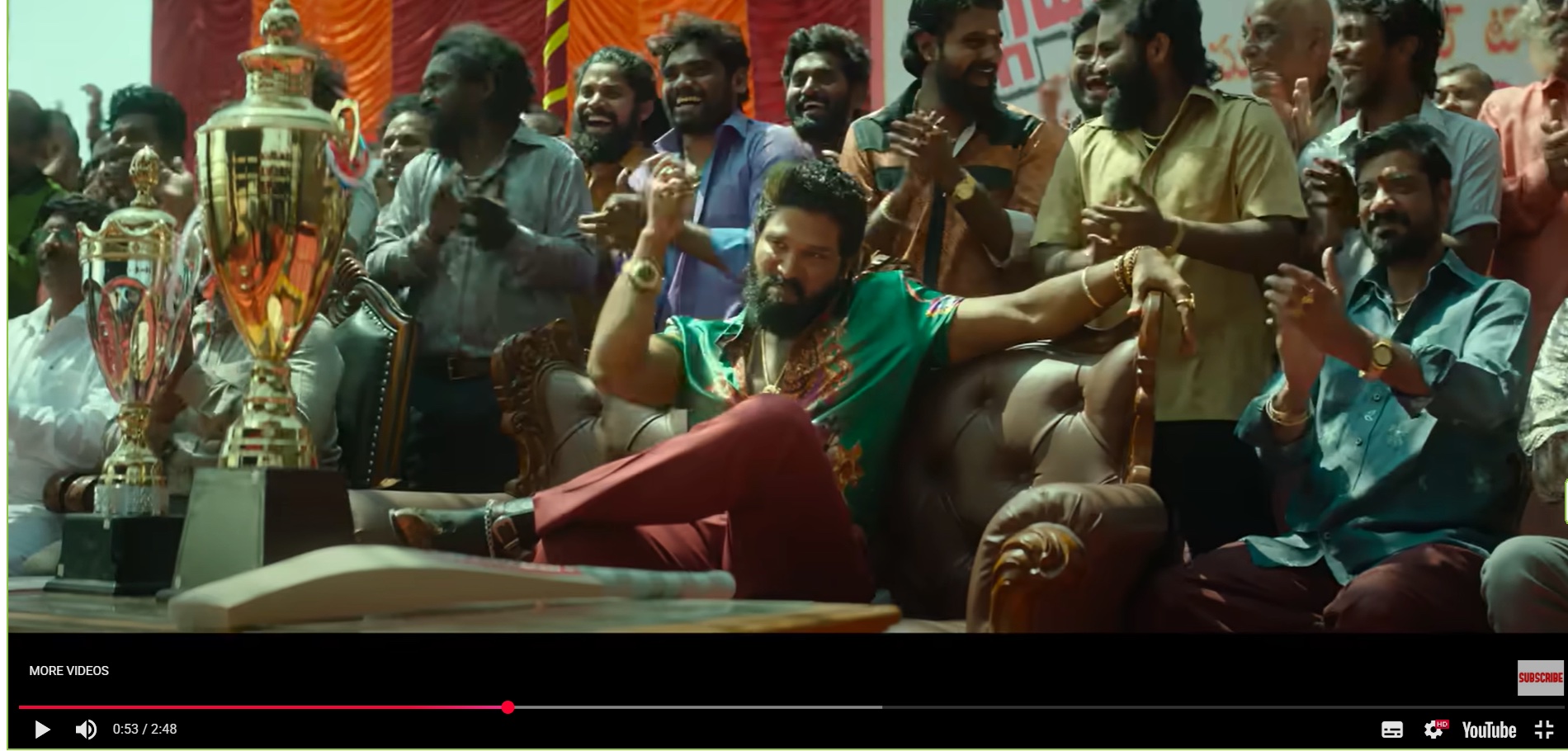
But of late, the long film trend, always around in specific cases in Hollywood (Gone with the Wind, The Sound of Musicand many more today, like the Avatar franchise), seems to have returned to Hindi cinema. In 2023, Animal ran to 201 minutes, Jawan (the biggest hit of that year) was 170 minutes long, as also Gadar 2. And if the 2021 Pushpa—The Rise Part 1 was 179 minutes (a minute short of 3 hours), its sequel, Pushpa 2—The Rule that released in 2024 was 200 minutes long. While the 1997 Border was 200 minutes long and the biggest hit of that year, the recent Border 2 is 176 minutes in length.
Yes, a great number of South movies too have very long runtimes. But very few have clicked pan-India, like RRR (187 minutes), Bahubali 2—The Conclusion (167), KGF 2 (166) and Kantara Chapter 1 (165).
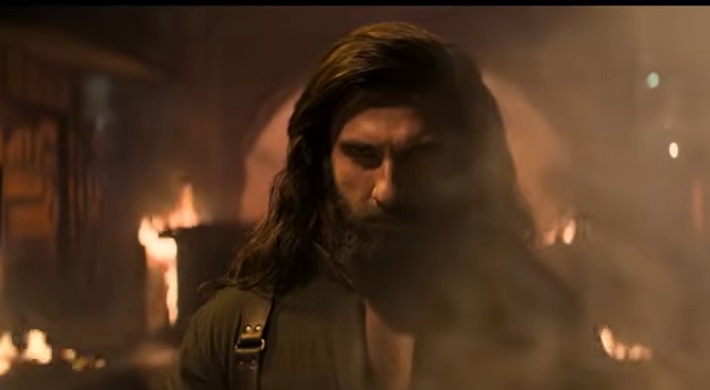
Not all such films did bumper biz though. 2025’s The Bengal Files (204 minutes) was a flop, and earlier in the millennium, Mohabbatein (216) and Jodhaa Akbar (213) only did average business, while LOC Kargil (255), What’s Your Raashee? (211), Lajja (202) and Salaam-E-Ishq (201) were unmitigated disasters, though not due to their lengths.
Agrees Aksshaye Rathi, director, Aashirwad Theatres Pvt. Ltd., “Lengths have no correlation with success or otherwise. What matters is the craft of storytelling. After the pandemic, we have seen long-length movies like Dhurandhar and Pushpa 2 making mammoth waves, so it is all about what is being given and how it is narrated.”
Rathi points out how the people on the one hand prefer 30 to 90 second reels that they can watch even while cooking or taking a walk, along with long films that exceed three hours. But they also listen to 30-minute podcasts, he points out. In short, they need involving visuals and narration. So, the time factor, per se, is irrelevant.
From the trade and distributor point of view, in these days when movie shows run round the clock, he naturally prefers a longer film with lesser shows but with a higher occupancy rather than shorter films that manage only a sparse audience. Midnight screenings and 6 a.m. shows have now become a frequent norm when a movie becomes a blockbuster, thus adding to profits for all concerned.
Exhibitor-distributor Raj Bansal, whose family has been in the business for 75 years, however, has a different take. His clan and he have worked with Raj Kapoor, Feroz Khan, N. Chandra (Tezaab, Narsimha) and Subhash Ghai (Hero, Karma, Ram Lakhan, Saudagar, Khal-Nayak, Pardes), who all tended to make long movies, over the decades. “They did not know how to make short films!” he says. “Their stories had multiple characters, lots of music and that created a lot of substance in them. The South follows that tradition even now as most of their films are long.”
“But in Mumbai, they first cut off the music and then the number of characters, making the movies of a length little over two hours. That way, even the remunerations for actors went down! But there was less material: the hero’s and heroine’s friends and families, for example, simply petered out.”
As per Bansal, that is one key place where the Mumbai filmmakers lost out. “At a practical level,” he points out, “A successful long film makes a lot of money. But with longer films, if they do not do well, the number of shows decrease even before the movie is—quickly—discontinued.”
And yet, except for specific exceptions, he prefers mid-length films that range between 150 and 160 minutes. He says, “It’s a win-win situation for everyone, from producer to distributor. So, I may need five to seven minutes for everyone’s exit and five to seven minutes more to clean up the theatre. I can have more shows that way. And you cannot make every film of 3 hours plus.”
The bottom-line is clear: Substance, Storytelling and Sangeet (music) make for a successful film. And long films, oftener than not, do possess all these three not-so-secret qualities. Even a Dhurandhar has 11 situational songs, though as per modern trends, the lip-synched song is barely there.