Join WhatsApp Channel


A joint statement issued on February 6, 2026, said the United States and India have agreed on a framework for an Interim Agreement on reciprocal and mutually beneficial trade.
The framework reaffirms both countries’ commitment to negotiations on a broader U.S.-India Bilateral Trade Agreement (BTA), launched by President Donald Trump and Prime Minister Narendra Modi on February 13, 2025. According to the joint statement, the BTA is expected to include additional market access commitments and measures to support more resilient supply chains.
The statement described the proposed Interim Agreement as a significant step forward, noting that it “will represent a historic milestone in our countries’ partnership, demonstrating a common commitment to reciprocal and balanced trade based on mutual interests and concrete outcomes.”
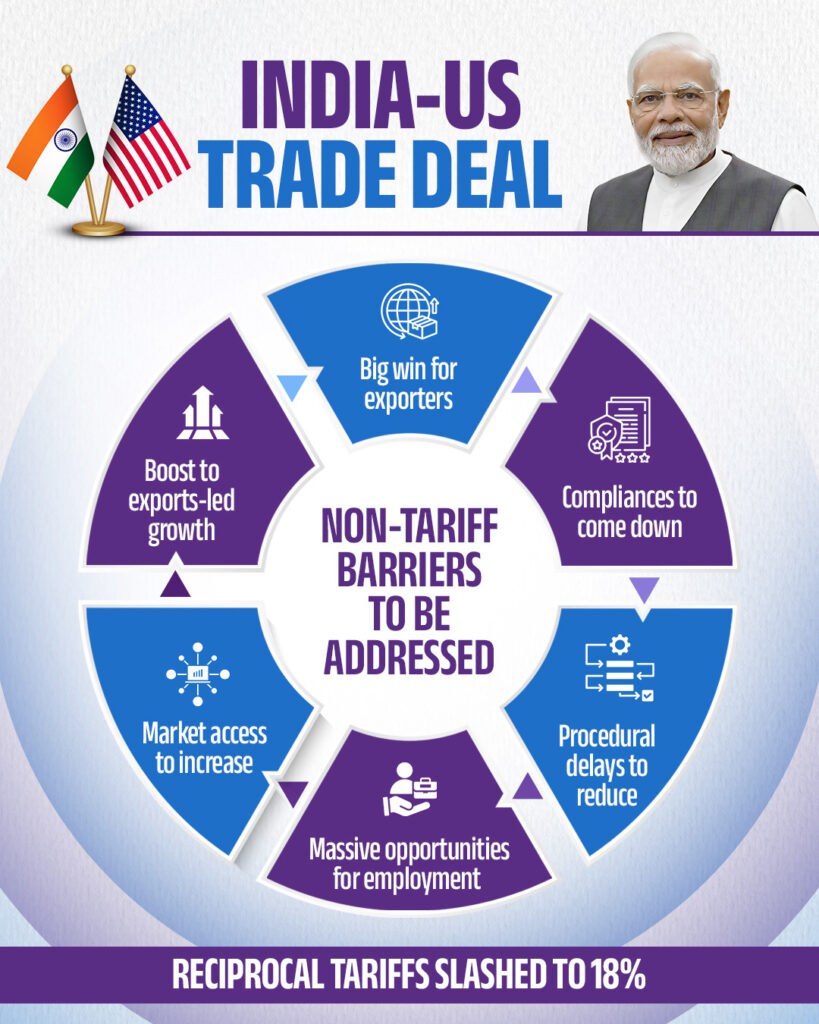
Reacting to the announcement, Prime Minister Narendra Modi welcomed the agreement on a framework for an Interim Trade Agreement between India and the United States, describing it as “great news” for both countries.
The Prime Minister thanked President Donald Trump for his personal commitment to strengthening bilateral ties, noting that the framework reflects the “growing depth, trust and dynamism” of the India–US partnership.
He said the agreement would reinforce the ‘Make in India’ initiative by creating new opportunities for farmers, entrepreneurs, MSMEs, start-up innovators, and fishermen, while also generating large-scale employment for women and youth.
According to the Prime Minister, the framework will deepen “investment and technology collaboration, strengthen resilient and trusted supply chains, and contribute to global economic growth.”
Reaffirming India’s vision of building a Viksit Bharat, Prime Minister Modi said India “remains committed to future-oriented global partnerships that empower people and promote shared prosperity.”
Key terms of the Interim Agreement
According to the framework outlined by the two governments, the Interim Agreement is expected to include several core commitments.
India has agreed to eliminate or reduce tariffs on all U.S. industrial goods and on a broad range of U.S. food and agricultural products. These include dried distillers’ grains, red sorghum for animal feed, tree nuts, fresh and processed fruits, soybean oil, wine and spirits, among other items.
The United States, for its part, will apply a reciprocal tariff rate of 18 percent on Indian-origin goods under the relevant executive order, covering sectors such as textiles and apparel, leather and footwear, plastics and rubber, organic chemicals, home décor, artisanal products, and certain machinery. Officials said that, subject to the successful conclusion of the Interim Agreement, Washington would remove reciprocal tariffs on a wide range of goods identified for aligned partners, including generic pharmaceuticals, gems and diamonds, and aircraft parts.
The framework also provides for the removal of U.S. tariffs on certain Indian aircraft and aircraft parts that were imposed under national security proclamations on aluminum, steel, and copper imports. In return, and consistent with U.S. national security requirements, India will receive a preferential tariff rate quota for automotive parts covered under existing U.S. tariffs. In addition, depending on the outcome of a U.S. Section 232 investigation, India is expected to secure negotiated outcomes for generic pharmaceuticals and pharmaceutical ingredients.
Both countries have committed to providing each other preferential market access in sectors of mutual interest on a sustained basis. They will also establish rules of origin designed to ensure that the benefits of the agreement accrue primarily to the United States and India.
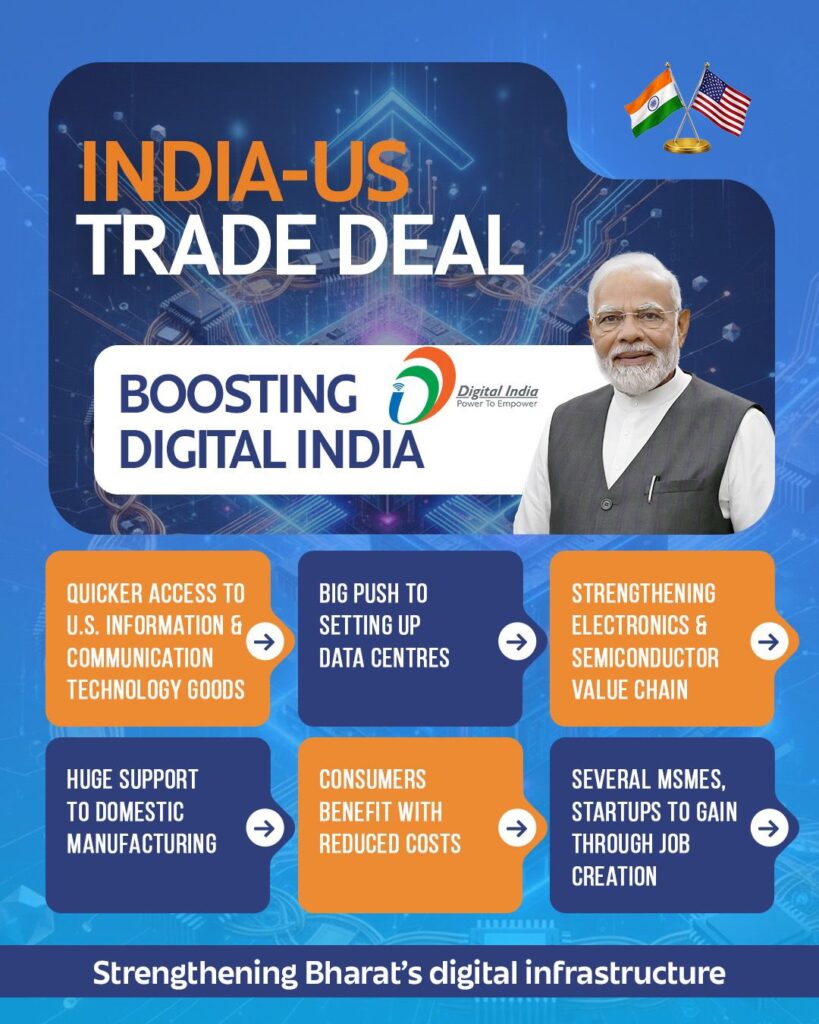
Addressing regulatory issues, the two sides agreed to work on reducing non-tariff barriers that affect bilateral trade. As part of this effort, India has committed to address long-standing barriers affecting U.S. medical devices, simplify restrictive import licensing procedures for U.S. information and communication technology goods, and review the acceptance of U.S.-developed or international standards for identified sectors within six months of the agreement entering into force. India also agreed to work toward resolving long-standing non-tariff barriers affecting U.S. food and agricultural exports.
To improve regulatory cooperation, the framework notes that both countries intend to discuss standards and conformity assessment procedures in mutually agreed sectors, with the aim of enhancing ease of compliance. The agreement also includes a provision allowing either side to modify its commitments if there are changes to the other country’s agreed tariff levels.
The statement said both governments will continue negotiations under the BTA to further expand market access. The United States indicated it would take into consideration India’s request for continued efforts to lower tariffs on Indian goods during the BTA talks.
In addition, the two countries agreed to strengthen economic security alignment to enhance supply chain resilience and innovation. This includes coordinated action to address non-market policies of third parties, as well as cooperation on investment reviews and export controls.
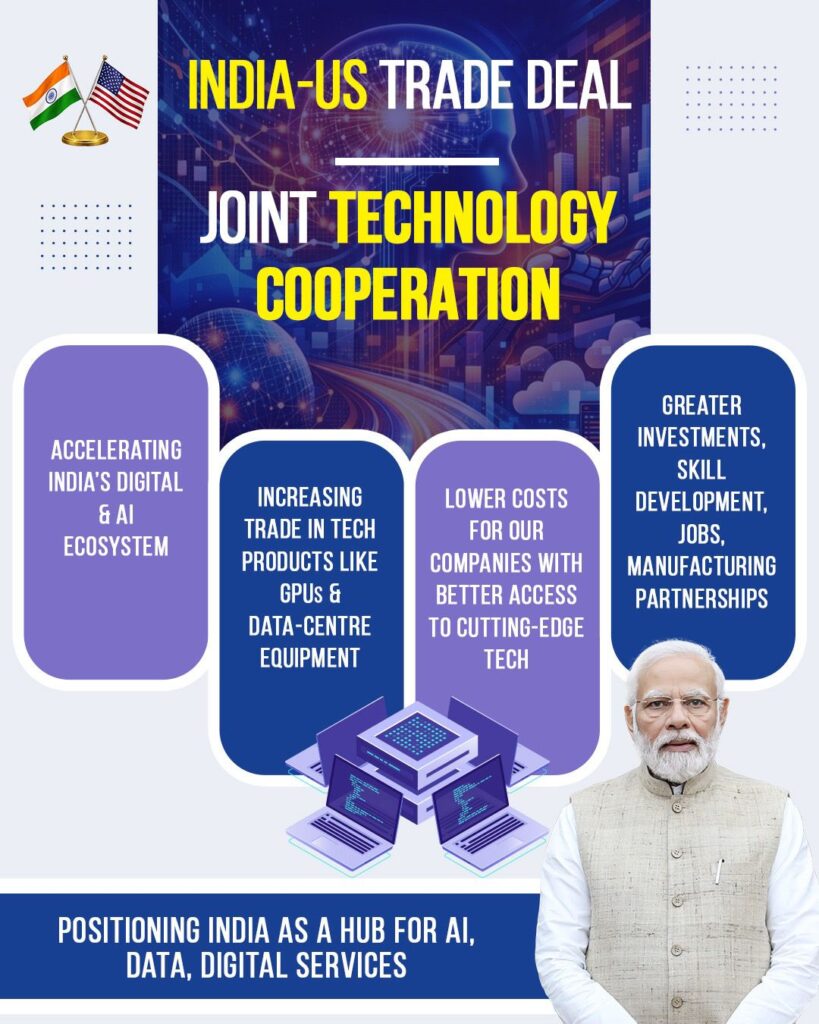
India also expressed its intention to purchase $500 billion worth of U.S. energy products, aircraft and aircraft parts, precious metals, technology products, and coking coal over the next five years. The two sides agreed to significantly expand trade in technology products, including graphics processing units and other goods used in data centers, and to deepen joint technology cooperation.
On digital trade, the framework commits both countries to address discriminatory or burdensome practices and other barriers, and to work toward robust and mutually beneficial digital trade rules as part of the BTA.
The statement said the two sides would promptly implement the framework and work toward finalizing the Interim Agreement, with the objective of concluding a comprehensive BTA in line with the agreed roadmap.
External Affairs Minister of India, S. Jaishankar said “The framework for an Interim Agreement will realize a mutually beneficial India – US trade partnership,” adding “The framework will ensure greater market access and opportunities for our exporters. New vistas have opened up that will further promote Make in India.”
Commerce and Industry Minister Piyush Goyal credited Prime Minister Modi’s “decisive” leadership for achieving the framework agreement with the United States.
“This will open a $30 trillion market for Indian exporters, especially MSMEs, farmers and fishermen. The increase in exports will create lakhs of new job opportunities for our women and youth,” Minister Goyal said.
He noted that under the framework, India would receive exemptions under Section 232 for aircraft parts, tariff rate quotas for auto parts, and negotiated outcomes on generic pharmaceuticals, leading to tangible export gains in these areas.
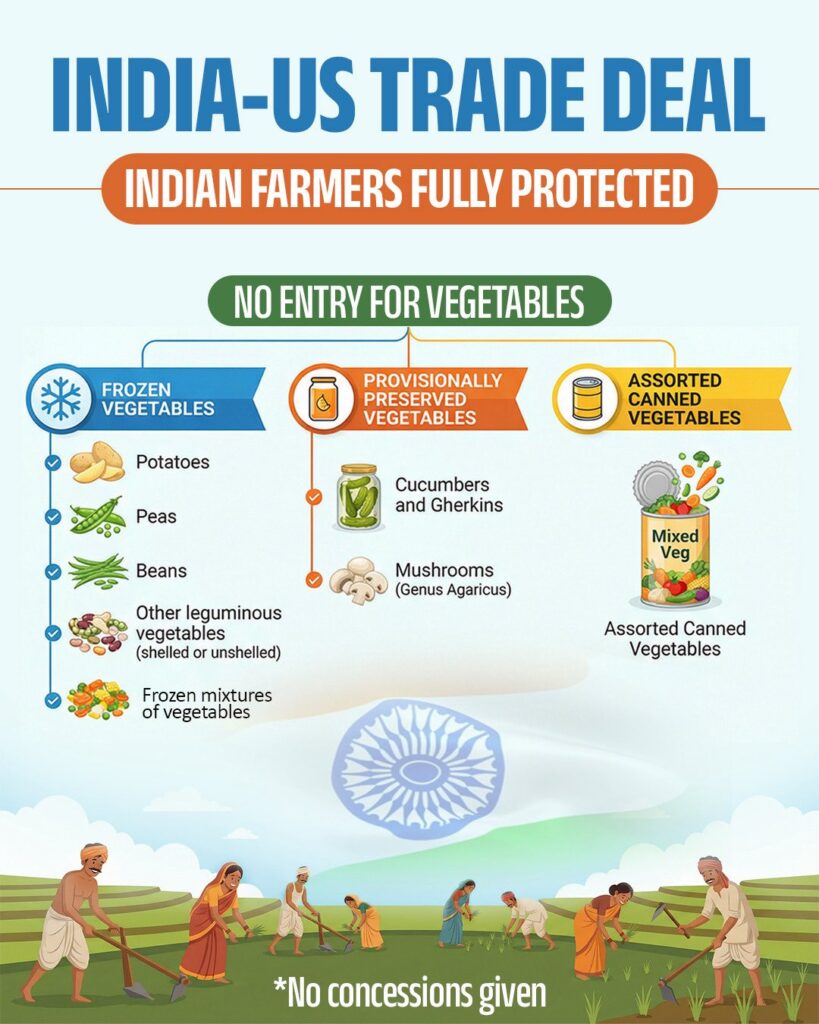
At the same time, he emphasized that the agreement safeguards farmers’ interests and rural livelihoods by fully protecting sensitive agricultural and dairy products, including maize, wheat, rice, soy, poultry, milk, cheese, fuel ethanol, tobacco, certain vegetables, and meat products.
“This agreement will help India and the US remain focused on working together to further deepen economic cooperation, reflecting shared commitment to sustainable growth for our people and businesses,” the Minister said.
Indian Ambassador to the United States, Vinay Kwatra called it a “historic step.” He noted that the framework will boost “Indian exports, innovation, and investment.” The supply chain will also become “stronger,” he said adding it is a “massive boost” for labor-intensive industries and the Make in India initiatives.
Related posts:
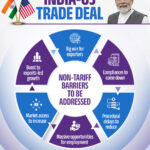 India–US Interim Trade Pact Brings Tariff Relief but Locks India into Deeper Market and Strategic Concessions
 U.S. Seals Reciprocal Trade Agreement with Bangladesh, Slashes Tariffs to 19 Percent
 India and US Push Forward on Bilateral Trade Agreement Amid Tariff Talks and Strategic Collaboration
 India and the United States to Finalize First Phase of Bilateral Trade Agreement by Fall 2025