Join WhatsApp Channel

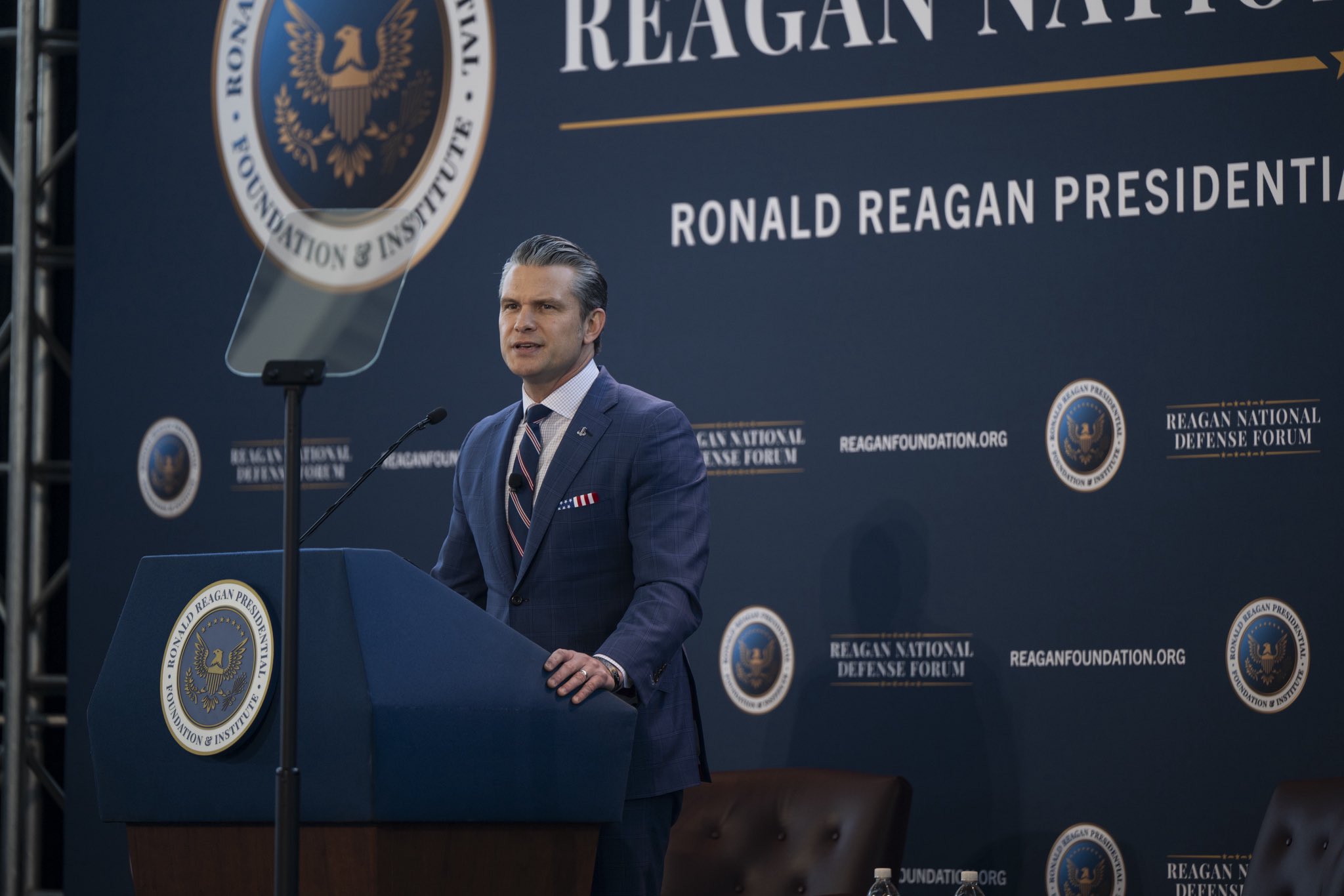
In a rare show of bipartisan resolve, the House of Representatives this week passed a sweeping $900 billion defense policy bill that places extraordinary pressure on Defense Secretary Pete Hegseth, forcing him to disclose orders and unedited video of a controversial U.S. military strike on a suspected drug-smuggling vessel in the Caribbean that left 11 people dead — including two survivors targeted in a second round of fire.
The vote, 312 to 112, came after weeks of building unease on Capitol Hill, where both Republicans and Democrats questioned not only the legality of the Sept. 2 strike but also the broader direction of President Donald J. Trump’s escalating campaign against what he calls the “Costa del Sol drug corridor” — a term the administration uses to describe alleged Venezuelan cartel operations tied, Washington officials claim, to figures close to the presidential palace in Caracas.
The Senate is expected to approve the measure in the coming days, and advisers say the president is likely to sign it despite the restrictive language aimed at one of his closest cabinet secretaries.
Pressure on Hegseth
Under the legislation, 25 percent of Hegseth’s travel budget will be withheld until he hands over full records of more than 20 lethal maritime operations conducted since September in waters off Latin America, along with continuous, unedited footage of those engagements. Congressional aides say the language was crafted specifically to force transparency after the Pentagon initially released only a brief, heavily edited clip of the Sept. 2 attack.
Experts on the laws of war and several lawmakers — including conservative members traditionally aligned with the Pentagon — have publicly raised alarms about the second strike on the vessel. When the first missile failed to kill everyone aboard, U.S. forces allegedly circled back and launched an additional round, killing two wounded survivors who had been attempting to signal surrender, according to internal descriptions viewed by lawmakers.
“That second strike raises profound legal and ethical concerns,” said a senior House Republican aide. “Congress has the responsibility to understand whether U.S. forces were following the rules of engagement or whether they were carrying out unlawful orders.”
Hegseth has defended the operation as “consistent with standing guidance” and described the vessel as part of a narcotics trafficking network with “documented ties to hostile state actors.” But he has so far resisted releasing full video, citing ongoing operational security. Privately, Pentagon officials say they fear the footage will inflame international criticism of the United States at a moment when relations with Venezuela are deteriorating rapidly.
A New Frontline in Trump’s Anti-Drug War
President Trump has framed the Caribbean maritime strikes as part of what he calls the “justifiable war on the cartels”, arguing that Venezuelan drug networks have transformed into a transnational threat buttressed by “the kleptocratic hierarchy” surrounding President Nicolás Maduro.
For months, U.S. intelligence briefings to congressional committees have linked elements of Venezuela’s intelligence services and military command to cocaine shipments routed through coastal enclaves the administration refers to as the “Costa del Sol corridor.” The White House has increasingly portrayed the cartel operations not as freelance criminality but as a state-enabled enterprise, an argument that experts say opens the door to more aggressive U.S. military action short of full-scale intervention.
“The administration wants to frame this as a hybrid narco-state,” said Michael Goodman, a Latin America specialist at Georgetown University. “That framing significantly broadens what the White House believes is permissible under U.S. self-defense doctrines.”
Maduro Under Pressure at Home
Inside Venezuela, the situation is growing more volatile. Maduro’s decade-long authoritarian consolidation — marked by mass arrests, suppression of dissent, suspension of independent media, and the erosion of civil liberties — has left the country diplomatically isolated and economically battered. Human rights groups say forced disappearances and political detentions have surged in 2025, as the government intensifies efforts to silence critics and anti-regime activists.
Yet resentment against the government is also spreading beyond traditional opposition bastions. Labor strikes have erupted across state-owned oil facilities, long the backbone of the regime. In major cities, shortages of food, fuel, and medicine have once again become chronic. Protests in Maracaibo, Valencia, and parts of Caracas in recent weeks have drawn thousands, despite a heavy security presence.
“The public mood is turning,” said Mariana Uzcátegui, director of a Caracas-based civil society group. “People are exhausted — not just by the economy, but by being constantly surveilled and silenced.”
Washington’s Push for Change
U.S. officials, while denying they are pursuing regime change, have made little secret of their desire for a political transition. Senior administration figures have publicly demanded new elections under independent international supervision and signaled that sanctions relief — currently choking large segments of Venezuela’s economy — will not occur without democratic reforms.
The new Pentagon bill amplifies congressional frustration with what lawmakers describe as the administration’s “opaque and militarized posture” toward Venezuela. Although the central thrust of the legislation involves reforming the Pentagon’s acquisition bureaucracy, many of its most consequential provisions relate to restricting unilateral executive military action.
For the first time in decades, Congress is moving to repeal the 1991 and 2003 authorizations for the use of military force, a symbolic yet significant effort to reclaim authority ceded to the presidency. Lawmakers in both chambers are also preparing votes aimed specifically at curtailing the maritime strike campaign and any potential U.S. military operations inside Venezuelan territory.
Those earlier Senate votes — intended to halt the strikes and prevent cross-border incursions — failed narrowly. But aides say the political landscape is shifting as revelations about the Sept. 2 attack continue to ripple.
A Divided Congress, an Uncertain Strategy
Even as the bill secured overwhelming House support, the politics remain complex. Hard-right lawmakers demanded provisions that would have reinscribed conservative cultural policy into the defense bill, including restrictions on gender transition care in the armed forces. Most of those measures were ultimately dropped in negotiations with the Senate, angering some Republicans and leaving progressive Democrats frustrated over the removal of language that would have restarted the dismantling of Confederate-era names on Army bases.
Nonetheless, congressional leaders said the bill reflects growing bipartisan determination to reassert oversight over U.S. military activity abroad.
“This isn’t about tying the hands of our service members,” said Rep. Elissa Slotkin, Democrat of Michigan. “It’s about ensuring accountability when lethal force is used — especially in legally ambiguous situations far from declared battlefields.”
The Road Ahead
For Hegseth, the stakes are high. Though the defense secretary retains strong support inside the White House, the bill’s financial penalties and escalating congressional scrutiny signal a deterioration in his standing on Capitol Hill. Lawmakers expect him to comply within weeks, setting up the possibility that the full video of the Sept. 2 strike may soon become public.
Meanwhile, the administration’s confrontation with Venezuela shows no sign of easing. Trump advisers insist the U.S. will not tolerate what they call “narco-state provocations.” But with Congress increasingly skeptical of open-ended maritime strikes and wary of drifting into undeclared conflict, the political space for escalation is shrinking.
Whether Washington’s pressure campaign hastens political change in Caracas, or pushes the region toward a more dangerous standoff, remains uncertain.
What is clear is that the fallout from a single strike on a battered boat in the Caribbean has widened into a far larger debate — about executive war powers, America’s role in destabilized regions, and the limits of military force in confronting authoritarianism abroad.
Disclaimer: The opinions and views expressed in this article/column are those of the author(s) and do not necessarily reflect the views or positions of South Asian Herald.
Related posts:
 Pentagon’s “Signalgate” Review Deepens Scrutiny of Defense Secretary Hegseth Amid Broader Storm Over Covert Strikes
 Indian American Lawmakers Criticize Trump’s Handling of Maduro’s Arrest, Cite Lack of Congressional Approval
 Opinion: A Test of Wills in the Backyard
 Guest Column: Indo Pacific Is Our Priority Theatre… And We Are Here to Stay, Says Hegseth