Join WhatsApp Channel

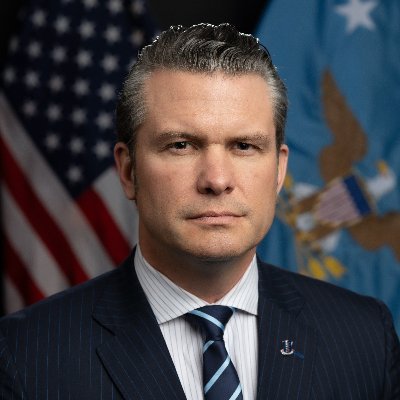
The Pentagon Inspector General has concluded that Defense Secretary Pete Hegseth improperly used an encrypted personal messaging app to share operational military details, according to people familiar with the still-classified report.
The finding has serious ramifications as it lands at a moment when the Trump administration’s top defense official is under intensifying scrutiny for a series of controversial battlefield decisions and unforced communication lapses that critics say blur the line between political loyalty and military discipline.
The IG’s months-long review, delivered this week to congressional defense and intelligence committees, examined Hegseth’s use of a group Signal chat to circulate details of U.S. military strikes in Yemen earlier this year.
According to two people who have read the report, investigators concluded that the information Hegseth shared in the messaging thread constituted classified operational data and should never have been transmitted over an unclassified personal device — even if the app itself was encrypted. The report also found he violated Defense Department regulations by using his personal phone for official business.
Although the IG did not address whether Hegseth attempted to declassify the material before sharing it, the findings represent the sharpest internal rebuke of a defense secretary who has been at the center of successive controversies involving battlefield judgment, secrecy protocols and the collision of politics with national-security governance.
A Cabinet Secretary Under Fire
The report lands at a precarious moment for Hegseth, a former Fox News host and Army veteran whose combative, loyalty-driven style has animated both supporters and detractors since President Donald Trump appointed him to the Pentagon’s top job. Even before the “Signalgate” saga surfaced, Hegseth was already battling bipartisan criticism over his oversight of a pair of lethal U.S. strikes in the Caribbean Sea on a vessel the Pentagon has described as a drug-smuggling boat linked to Venezuelan traffickers.
According to U.S. officials, the first strike destroyed the small vessel, killing several of the individuals aboard and leaving at least two survivors. Hegseth is now under congressional scrutiny over his role in approving a second strike on what the Pentagon said was a related vessel — a decision critics say may have pushed the boundaries of U.S. rules of engagement and international maritime law.
The Defense Secretary has insisted his decisions were based on battlefield assessments and intelligence indicating imminent threats.
“I didn’t personally see survivors,” Hegseth said on Tuesday when pressed by reporters during a Cabinet meeting. “The thing was on fire. It exploded in fire and smoke. You can’t see it. This is called the fog of war.”
His comments did little to calm lawmakers in both parties, several of whom say they are growing increasingly concerned that military operations under Hegseth have become politicized and opaque.
The Signal Thread That Started It All
The IG’s review traces back to an unusual episode in March, when an Atlantic editor was inadvertently added to a Signal group chat that included Hegseth and other senior Trump national-security officials. The mistake revealed that the group had been using the encrypted app to discuss imminent military operations — including the timing of U.S. fighter-jet takeoffs and planned strikes against Iranian-backed Houthi rebels in Yemen.
Multiple U.S. officials later told NBC News that the content in the chat resembled details sent minutes earlier through a secure government communications channel by Army Gen. Michael Erik Kurilla, then head of U.S. Central Command. Kurilla’s secure messages included maps, timing windows and other operational specifics that would normally be handled under strict compartmentalized protocols.
While Signal offers end-to-end encryption, it is not authorized for transmission of classified material. The IG report concluded that had the content been intercepted — either via device compromise or metadata exposure — it could have placed U.S. pilots at significant risk.
Hegseth has vigorously denied sharing classified information. “Nothing I sent was classified,” he has said repeatedly. Pentagon officials have echoed that line publicly, but the IG findings appear to contradict that portrayal.
A Pattern of Tense Exchanges With Capitol Hill
On Capitol Hill, the revelations have triggered a fresh wave of confrontations between Hegseth and lawmakers already frustrated by what some describe as an unprecedented level of opacity from the Pentagon.
Members of both the Senate Armed Services Committee and the House Intelligence Committee have accused Hegseth of withholding briefings, delaying documentation, and adopting what one Democratic staffer described as a “media-driven communications strategy” rather than a statutory one.
Republicans, while more politically aligned with the secretary, have also expressed private concern that his aggressive posture on Caribbean interdictions and his willingness to share operational chatter on informal platforms could expose the Pentagon to operational risk or legal liability.
“This isn’t about politics. It’s about discipline, protocol and the safety of American troops,” said one senior GOP senator, speaking on condition of anonymity. “You can’t run the Pentagon like a television green room.”
Trump administration officials have privately bristled at what they call overblown critiques, arguing that Hegseth is being scrutinized more intensely than previous secretaries because of his political profile and his willingness to push back on entrenched Pentagon bureaucracy.
Pentagon in Damage-Control Mode
The Pentagon has declined to comment on the unreleased IG report. But senior defense officials have told congressional aides in recent days that the revelations are “manageable” and do not warrant calls for Hegseth’s resignation — a signal that the administration may attempt to weather the storm rather than consider a leadership change.
Still, the controversy has opened a rift within the Department of Defense, where some uniformed leaders have expressed discomfort with what they see as Hegseth’s informal decision-making style. Several officers familiar with the Yemen episode said they were stunned to learn that sensitive timing data for the March strikes had appeared in a group chat shared with political appointees, family members and even — inadvertently — a journalist.
“Even the perception that family members or personal lawyers could see operational details is a nightmare scenario,” said one former senior defense official. “It undermines the entire chain of command.”
A Broader Question for U.S. Military Leadership
The episode raises larger questions about how national-security officials manage communications in an era where encrypted apps blur the line between personal convenience and classified discipline. Signal, WhatsApp and other platforms are ubiquitous among senior government figures, despite longstanding rules requiring official business to be conducted on government systems.
For Hegseth, the stakes are higher: as defense secretary, he bears direct responsibility for safeguarding operational secrecy and enforcing communication standards. Lawmakers reviewing the IG report are now weighing whether additional regulations or oversight mechanisms may be necessary.
What Comes Next
A redacted version of the report is expected to be released publicly, though timing remains unclear. Congressional committees may also call Hegseth to testify, potentially setting up a high-stakes showdown between the Pentagon and legislators demanding accountability for the Yemen disclosures and deeper clarity on the Caribbean strikes.
For now, the controversy shows no signs of fading. Between the Signal revelations, the Venezuelan-boat strikes, and high-profile sparring with senators, Hegseth finds himself navigating a growing thicket of political and military dangers — all while insisting that his critics simply misunderstand the realities of modern conflict.
Whether the “fog of war” extends to encrypted chats and Cabinet-level protocol violations may soon be for Congress — and the public — to decide.
Disclaimer: The opinions and views expressed in this article/column are those of the author(s) and do not necessarily reflect the views or positions of South Asian Herald.
Related posts:
 Congress Pressures Pentagon as Hegseth Faces Scrutiny Over Deadly Boat Strike Amid Rising Tensions with Venezuela
 Guest Column: Indo Pacific Is Our Priority Theatre… And We Are Here to Stay, Says Hegseth
 Rep. Suhas Subramanyam Introduces 9/11 Servicemember Fairness Act to Expand PACT Act Benefits
 White House Defends National Security Team Over Messaging Thread Incident; Says No Classified Information Shared