Join WhatsApp Channel

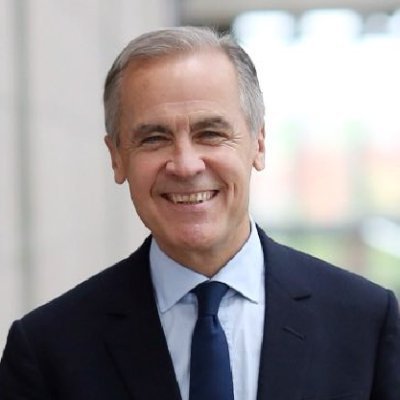
Prime Minister of Canada Mark Carney continues to face political headwinds even after British Columbia Premier David Eby signaled a willingness to discuss the proposed Alberta-Ottawa pipeline agreement, provided the current ban on tanker traffic off B.C.’s northern coast remains unchanged.
Carney and Alberta Premier Danielle Smith signed a memorandum of understanding on November 27 outlining a shared plan to strengthen federal-provincial cooperation in the energy sector. The framework aims to support Canada’s goal of net-zero emissions by 2050, expand Alberta’s energy potential, and create hundreds of thousands of high-paying jobs. But the agreement has sparked dissent within the Liberal caucus.
Career environmentalist and minister Steven Guilbeault resigned from Cabinet shortly after the announcement, reaffirming his long-standing environmental stance. In a three-page letter distancing himself from the government’s position on the Alberta-Ottawa deal, Guilbeault alleged that much of the policy he championed “is or is about to be dismantled.”
Premier Eby has also maintained his opposition to the deal. Despite the backlash, Carney moved ahead with a series of cabinet and senior appointments. Marc Miller, a former federal minister from Montreal, was named minister of culture and identity, replacing Guilbeault. Joël Lightbound, Minister of Government Transformation, Public Works and Procurement, will also serve as Québec Lieutenant. Julie Aviva Dabrusin keeps her portfolio under an updated title: Minister of the Environment, Climate Change, and Nature.
The Alberta-Ottawa MOU focuses on what the parties describe as practical measures, including stronger industrial carbon pricing, major private-sector investment in clean technologies, and expanded energy development. As part of the partnership, Canada and Alberta will work together on several initiatives to meet growing energy demand and drive economic growth.
A key component is advancing Pathways Plus, billed as the world’s largest carbon capture, utilization, and storage project. The initiative is expected to bolster the energy sector, cut emissions, and generate more than $16 billion in GDP and over 40,000 jobs annually.
Related posts:
 Canadian Leaders Urge Terrorist Designation for Lawrence Bishnoi Gang Amid Threats to South Asian Community
 B.C. Trade Mission to India Advances Technology, Life Sciences, and Energy Partnerships Amid U.S. Trade Uncertainty
 Immigration and Bail Reforms Set to Rock Ottawa
 Gurtej Singh Brar Elected to the Alberta Assembly